



Impact of Air Trapping in Hydraulic Systems: Effects & Solutions
If you’re like most people, you’re probably very familiar with hydraulic systems. They’re used in a variety of settings, from construction sites to manufacturing plants to cargo ships. But what if something goes wrong with one of these systems?
What is a Hydraulic System?
A hydraulic system is a type of mechanical system that uses fluid pressure to move objects or deform materials. A hydraulic system works by using a pressurized fluid to push or pull objects. The pressurized fluid is typically stored in tanks on the vehicle or machinery. When you need to use the hydraulic system, you press a button or lever to release the pressure and allow the fluid to flow into the appropriate component.
Why would air get into the hydraulic system in the first place?
If there is air trapped in the hydraulic system, it can cause various problems. For example, the air could cause a loss of pressure, which could lead to the machine not working or even breaking. In some cases, the air could even ignite and cause a fire.
There are a few ways that air can get into the hydraulic system. For example, if there is a leak in the hydraulic system, air could seep in through the leak. Additionally, if dirt or other debris gets caught in the hydraulic system, it could create an airtight seal, which would allow air to get into the system.
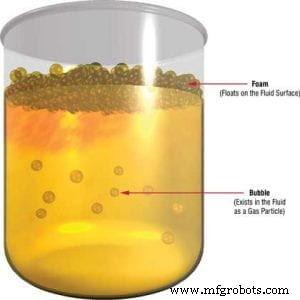
What will happen if there is air trapped in the hydraulic system
Common Causes of Air Getting in the Hydraulic System
A hydraulic system can become partially or fully air-locked if a leak occurs in the system. Partial air-lock can occur when a small hole opens up in the system, and full air-lock happens when all flow is stopped completely. When an air-lock occurs, it can cause the system to become unstable and may even lead to a failure.
In order to prevent an air-lock from occurring, it is important to inspect the system for leaks and fix them as soon as possible. If an air-lock does occur, it can be corrected by releasing pressure from the system and then restarting the flow.
What could happen if there is air trapped in the hydraulic system? 2
If there is air trapped in the hydraulic system of a Tesla car, there could be some serious consequences.
The hydraulic system is responsible for moving the car’s wheels and other parts. If there is air trapped in the system, it could cause the car to malfunction.
In extreme cases, this could lead to the car crashing. If you are in a Tesla car and experience any problems, please contact your nearest Tesla dealer immediately.
Why is it important for a hydraulic system to not have an air pocket?
An air pocket can occur in a hydraulic system if the pressure inside the system is greater than the atmospheric pressure. If this occurs, air can get trapped in the system and cause it to fail.
An air pocket can also occur if the system is leaking. Air can get into the system and increase the pressure inside it, eventually causing the system to fail.
How can we find out if there is an air pocket in the hydraulic system?
If you have a hydraulic system that is not working correctly, you may be wondering how to find out if there is an air pocket in the hydraulic system. There are several ways to do this, and each method has its own set of pros and cons.
One method is to use a pressure gauge to measure the pressure in the system. If the pressure is low, then there may be an air pocket present. However, this method is only effective if the air pocket is small. If the air pocket is larger, then the pressure will be low even if there isn’t any actual fluid leakage.
Another way to find out if there is an air pocket in the hydraulic system is to use a vacuum gauge. This method can detect whether or not there is any fluid leakage, even if the air pocket is large. However, this method is more difficult to use than the pressure gauge because it requires special equipment.
The final way to find out if there is an air pocket in the hydraulic system involves using a scanner. A scanner can detect whether or not there are any broken lines in the hydraulic system. If there are broken lines, then it may be indicative of an air pocket present. However
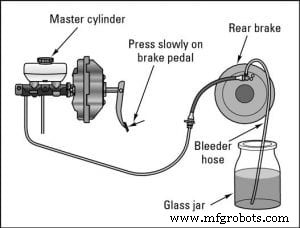
What will happen if there is air trapped in the hydraulic system
What if you do find an air pocket in your hydraulic system?
If there is an air pocket in your hydraulic system, you will first need to determine if the air is causing the problem. If the air is the problem, then you will need to remove the air. If the air is not causing the problem, then you may need to replace the hydraulic system.
What are the risks of an air trapped hydraulic system?
An air trapped hydraulic system is a potentially dangerous condition that can occur when air becomes trapped in the hydraulic system. The air can cause the system to fail, resulting in a loss of control and possible injury.
If you notice an air trapped hydraulic system, your first priority is to shut down the system and let it cool. You should also contact a qualified technician to inspect the system and find any problems. If there are no obvious problems, you can restart the system and wait for it to cool before using it again.
How to Fix an Air-Bound Hydraulic System
If you have an air-bound hydraulic system, there are a few things you can do to fix it. First, make sure that the lines are clear of any debris. Next, use a vacuum cleaner to suck up any air bubbles. Finally, use a plunger to suction onto the line and push the air out.
Conclusion
If there is air trapped in the hydraulic system, it will cause the system to fail. If you notice any of the following symptoms, it is important to act quickly: noise from the machine becoming louder and faster, severe vibration or shaking, a lack of fluid coming out of the nozzles, and a decrease in pressure. In order to avoid this type of failure, be sure to regularly check your hydraulic system for signs of air contamination and take action if necessary.
What will happen if there is air trapped in the hydraulic system, please clickhttps://topkitparts.com/ to learn more
Industrial equipment
- Key Components of a Reliable Compressed Air System
- Key Factors Influencing Oil Performance in Hydraulic Systems
- Hydraulic Systems Explained: Fundamentals and Real-World Applications
- Understanding Ventilation Systems: Keeping Your Indoor Air Fresh and Healthy
- Identify the Air System Risks That Could Compromise Your Facility
- Mastering Compressed Air Piping: Best Practices for Design, Maintenance, and Performance
- Factors Influencing Hydraulic Motor Speed: A Comprehensive Guide
- Top Causes of Hydraulic System Failures and How to Prevent Them
- Key Factors Determining Hydraulic Motor Speed
- Understanding the Cost of Hydraulic Pumps: Key Factors & Price Breakdown