



Hydraulic Leak Hazards: Protecting Your System & Safety
A permanently sealed hydraulic system that never springs a leak is a wonderful concept that will unfortunately never come to pass. Engineers try their best to eliminate hydraulic leaks in the systems that they design. Despite the many advancements in the field of hydraulic systems, leak-free performance is still an elusive feature.
 The problems associated with leaking hydraulic systems have become less frequent and less severe than when they were first invented. But leaks still do occur, and when they do, problems still result. And sometimes those problems can be severe.
The Evolution of Hydraulic Technology
Hydraulic leaks occur from failures at some point in the system. Prior to the introduction of leak-free fittings, anywhere that a tube, conduit, or pipe was connected to another fixture, it was a good bet that ultimately a leak would occur at that junction. Today, leak-free fittings have been available for many years and for the most part work well. With leak-free fittings in place, the primary causes of leaks today are generally seals within the system. Even in the most technologically advanced hydraulic systems, seals must be constantly lubricated and replaced as soon as they are worn.Causes of Hydraulic Leaks
One reason that hydraulic systems still leak excessively is that most of these systems continue to operate even after a leak occurs. Instead of a catastrophic failure that disables the system completely, slow leaks occur that can degrade the operation of the system while still allowing it to remain at least partially functional. Seals that are not properly lubricated will begin to break down fairly quickly and in turn cause leaks. However, simply maintaining the lubrication on the seals within a hydraulic system is not enough. These seals must be lubricated using the proper lubricant in the proper amount. The seals must be installed correctly and the lubricant must be applied according to the manufacturer’s specifications. The reality is that properly maintained seals are typically the exception rather than the rule.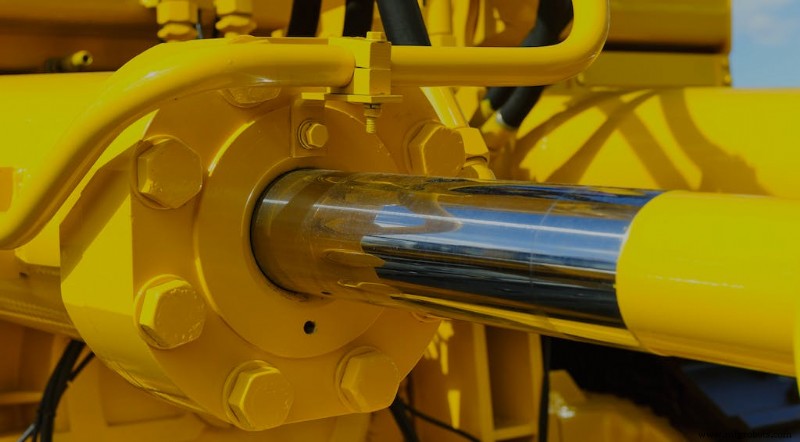 One of the first steps maintenance personnel typically take to correct a visible leak is to tighten the fitting. This can pose problems because the fitting has probably already been tightened previously. Over-tightening a hydraulic fitting can crack the fitting and damage the seal, creating an even bigger problem.
Contamination of hydraulic fluid is another problem that can cause leaks. There are four different elements that can contaminate hydraulic fluid: air, water, other chemicals, or solid particles in the fluid. Each of these contaminants can cause significant and excessive wear within the system, which ultimately leads to leaks.
One of the first steps maintenance personnel typically take to correct a visible leak is to tighten the fitting. This can pose problems because the fitting has probably already been tightened previously. Over-tightening a hydraulic fitting can crack the fitting and damage the seal, creating an even bigger problem.
Contamination of hydraulic fluid is another problem that can cause leaks. There are four different elements that can contaminate hydraulic fluid: air, water, other chemicals, or solid particles in the fluid. Each of these contaminants can cause significant and excessive wear within the system, which ultimately leads to leaks.
Hydraulic Leak Hazards
The most obvious danger of a leaking hydraulic system is a catastrophic failure of the system while it is running. As simple and straightforward as it might seem, the potential for this type of accident is substantial if proper preventative maintenance and procedures are not in place. The same thing holds true for ground support equipment (GSE) that is not properly maintained and inspected for leaking hydraulic fluid. The catastrophic failure of GSE while in use with a multi-million dollar aircraft could literally cause millions of dollars in equipment damages, not to mention the potential loss of life or serious injury to personnel.
A catastrophic failure is not the only potential risk when considering a leaking hydraulic system. Particularly in large aircraft or major pieces of GSE, hydraulic systems can be under several thousand pounds of pressure. Even a very small leak in such a system poses significant potential danger. Hydraulic fluid under several thousand pounds of pressure can cut like a razor blade penetrating clothing, skin, and bone.
The same thing holds true for ground support equipment (GSE) that is not properly maintained and inspected for leaking hydraulic fluid. The catastrophic failure of GSE while in use with a multi-million dollar aircraft could literally cause millions of dollars in equipment damages, not to mention the potential loss of life or serious injury to personnel.
A catastrophic failure is not the only potential risk when considering a leaking hydraulic system. Particularly in large aircraft or major pieces of GSE, hydraulic systems can be under several thousand pounds of pressure. Even a very small leak in such a system poses significant potential danger. Hydraulic fluid under several thousand pounds of pressure can cut like a razor blade penetrating clothing, skin, and bone.
 Check out our new retail section for all your hydraulic system needs!
The Cost of Hydraulic Leaks
The costs of hydraulic system leaks can be misleading. Although it might seem like only a little bit of fluid is lost from a small leak, costs add up over time. Of course, if the leak results in a catastrophic failure of any sort, the costs are immediately recognizable and significant. Here are some areas to consider when evaluating the cost of hydraulic leakage:
- Anytime fluid is leaking, it must be continuously replaced, so replacement fluid costs must be considered.
- A leaking hydraulic system by definition indicates that the system is no longer closed since a leak is an opening to the outside. Therefore, an increased chance of fluid contamination is a possibility.
- In order to manage the safety risks, frequent cleanup is mandated anywhere there is a leaking hydraulic system. The additional costs of cleanup can be significant when evaluated over time.
- Disposal costs of contaminated, leaked hydraulic fluid.
- Safety costs increase because leaking oil must always be considered to be a safety hazard.
Preventative Maintenance Programs
The most efficient way to prevent leaks in any hydraulic system is through a regularly applied program of preventative maintenance. Since many organizations do not have the manpower to consistently implement preventative maintenance, it makes sense to find a vendor who specializes in this field. Contact MAC Hydraulics to have your hydraulic systems and components evaluated and serviced to prevent costly downtime and repairs. Studies show that emergency repairs cost 3-9 times more than preventative maintenance. Here is an example of a Preventative Maintenance checklist:
- Thorough visual inspection of hoses, pumps, motors, valves
- Fluid level check
- Replace filters at proper intervals
- Oil analysis to check for contamination
- Lubrication of fittings and seals
- Flow testing to confirm the system is functioning according to design specifications
Reduce Hydraulic Downtime Costs: Proven Strategies to Minimize Direct and Indirect Losses
MAC Hydraulics: Expert Rebuilding & Maintenance Services
Equipment Maintenance and Repair
- Hydraulic Systems Explained: Fundamentals and Real-World Applications
- Preventing Hydraulic Fluid Leaks: Expert Strategies for Reliability and Cost Savings
- Boost Hydraulic System Reliability: Proven Strategies & Maintenance Tips
- Hydraulic Braking Systems Explained: How Your Car Stays Safe
- Top Causes of Hydraulic System Failures and How to Prevent Them
- Impact of Air Trapping in Hydraulic Systems: Effects & Solutions
- Essential First Step: Inspect Your Hydraulic System Before Servicing
- Hydraulic Systems: Why Regular Maintenance Is Essential
- Why Hydraulic Systems Are Essential for Modern Engineering
- Top 6 Reasons to Hire Professional Hydraulic Repair Services