



Essential First Step: Inspect Your Hydraulic System Before Servicing
It’s important to inspect the hydraulic systems before servicing them in order to identify any potential problems. This will help you avoid any unfortunate accidents, and ensure that your hydraulic system is working properly. In this article, we provide a checklist of the first things you should do when servicing the hydraulic systems.
What is a hydraulic system?
A hydraulic system is a group of components that work together to move a vehicle or machinery. The system includes pumps, valves, and lines.
What is Hydraulic System Components
If you are servicing hydraulic systems, it is important to know the components of a hydraulic system. Each component affects how the system functions and how it can be repaired or maintained. Here is a brief overview of each component:
1. Pumps – In a hydraulic system, pumps are responsible for moving fluid through the system. There are many different types of pumps, each with its own specific purpose. Some common types of pumps include centrifugal, diaphragm, and piston pumps.
2. Valves – Valves control the flow of fluid through the system by allowing or restricting the passage of air or water. Valves can be manual or automatic, depending on the type of hydraulic system you are servicing.
3. Lines – Hydraulic lines connect all the components in a hydraulic system together. They consist of tube material that is often reinforced with metal plates or wires for durability. Lines also carry oil and other fluid substances to and from the various components in the system.
4. Pressure vessels – Pressure vessels store pressure generated by the pumps in order to push fluid through the system. This pressure is regulated by valves located inside of the pressure vessel.
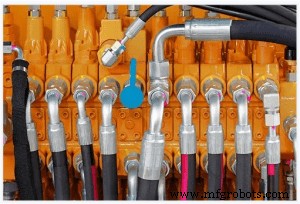
Which is the first thing to do before servicing the hydraulic systems
What’s the sequence for servicing a hydraulic system?
There is no one definitive answer to this question, as it will depend on the specific hydraulic system in question and the particular servicing requirements that need to be met. However, generally speaking, the following steps should be taken before any servicing work is carried out:
1. Inspect the hydraulic system for any signs of wear or damage. This includes checking for leaks, clogs and other problems.
2. Analyse the system’s performance data to determine whether any repairs or replacements are necessary.
3. Check for compatibility issues between components of the hydraulic system.
4. Check for any applicable safety guidelines and make any necessary changes to them if necessary.
How to troubleshoot a hydraulic system
When your hydraulic system starts acting up, your first step should be to diagnose the issue. This article will outline the steps you need to take to troubleshoot a hydraulic system.
If you are unfamiliar with servicing and repairing hydraulic systems, we highly recommend reading our article on the subject first.
Step 1: Diagnose the Issue
Before you can start troubleshooting a hydraulic system, you first need to diagnosis the issue. Depending on the problem, there may be several steps you need to take in order to solve it. Here are some of the most common issues and their corresponding steps:
1. Check fluid levels and levels of contaminants. Hydraulic systems rely on a constant supply of fluid to function properly. Make sure all the fluid levels are correct and that there are no contaminants present. If you notice anything unusual or wrong with the fluid levels, contact a mechanic immediately.
2. Inspect hoses and fittings for wear or damage. Hoses and fittings can become damaged over time due to excessive wear or freezing temperatures. Check them for cracks, leaks, or signs of wear. If you find any damage, replace the hose or fitting as necessary.
3. Check for
How to properly service hydraulic systems
Before servicing any hydraulic systems, it is important to first identify the issue and determine the severity. Issues that can be easily addressed with a quick service may not require a full service and vice versa. Following these steps will help you determine which service is required:
1. Verify system pressures are within specifications.
2. Inspect hoses, valves, and fittings for damage or wear.
3. Clear any obstructions from system components.
4. Check fluid levels and replace as necessary.
5. Reset system devices if necessary.
Identify the problem
If you suspect that your hydraulic system is not operating as it should, the first step is to identify the problem. This can be done by doing a few simple tests to see if the system is working properly.
One test that is commonly done is a pressure check. This involves filling up a container with water and measuring the pressure inside the container. If there is a problem with the hydraulic system, the pressure will be low. Another test that can be done is a fluid level check. This involves filling up a container with hydraulic fluid and measuring the level of fluid inside the container. If there is a problem with the hydraulic system, the level of fluid may be high.
Once the problem has been identified, it can be fixed by performing one or more of the following repairs: replace seals, replace hoses, replace pipes, or replace valves.
Diagnose the hydraulic system
Before servicing any hydraulic system, it is important to first diagnose the problem. While there are many different methods for diagnosing hydraulic systems, one of the most common is to use a pressure test. By applying pressure to certain areas of the system, you can determine whether or not there is something blocking the flow of oil or fluid.
Once you have determined the cause of the issue, you can begin to work on fixing it. In some cases, simply replacing parts will solve the problem. In other cases, however, you might need to replace more than just the parts; in these cases, it is important to consult with a specialist. by following these steps, you can ensure a successful service for your hydraulic system.
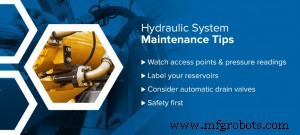
Which is the first thing to do before servicing the hydraulic systems
Repair the hydraulic system
If the hydraulic system fails, it must be repaired as soon as possible to prevent further damage and ensure continued operation. The hydraulic system consists of several components that must be serviced in the correct order. The first step is to identify the problem and correct it. Next, check the fluid levels and replace any necessary fluid. Finally, test the system to ensure it is operational.
Verify the hydraulic system is operational
The hydraulic system is a critical component of your vehicle and should be checked for operation before any service is performed. Verify that the system is operational by checking for fluid pressure, pressurization, and leakage. If any of these indicators are not functioning properly, you may need to replace the system or components.
Conclusion
It’s always important to inspect the hydraulic systems before servicing them in order to ensure that there are no major issues. Make sure to check for any leaks, cracks, or other signs of wear and tear, and take appropriate action based on what you find. In addition to checking the systems, be sure to clean everything up properly after servicing so that no debris accumulates and causes further problems down the line.
Which is the first thing to do before servicing the hydraulic systems, please click topkitparts see more
Industrial equipment
- Hydraulic Systems Explained: Fundamentals and Real-World Applications
- Hydraulic Leak Hazards: Protecting Your System & Safety
- Top 5 Critical Hydraulic System Components for Heavy Equipment Performance
- Winter Holiday Planning for Air Compressor Systems: 4 Essential Tips
- Top Causes of Hydraulic System Failures and How to Prevent Them
- Impact of Air Trapping in Hydraulic Systems: Effects & Solutions
- Expert Hydraulic System Troubleshooting & Repair Guide for Industry
- Hydraulic Systems: Why Regular Maintenance Is Essential
- Why Hydraulic Systems Are Essential for Modern Engineering
- Choosing the Right Hydraulic Pump: A Comprehensive Guide to Types and Performance