



When and Why to Bleed Your Hydraulic System
Hydraulic systems are essential for a variety of tasks, including loading and unloading cargo, printing products on a large scale, and even controlling the movement of boats and other water vehicles. However, like with any machine that relies on pressurized fluid to work, there is a chance that it can malfunction if not properly maintained. In this article, we will explore some of the common problems that hydraulic systems can experience and how to fix them.
What is a hydraulic system?
A hydraulic system is a system that uses pressurized fluid to move objects. Hydraulic systems are used in a variety of applications, including cars, boats, aircraft, and industrial machines. A hydraulic system consists of two parts: the pump and the reservoir. The pump is responsible for moving the fluid and the reservoir stores the fluid.
How does a hydraulic system work?
A hydraulic system is made up of a pump and cylinders. When the pump is turned on, the pressure in the cylinders increases. This force pushes the piston up the cylinder, and this motion is used to power tools or move objects.
A hydraulic system is also made up of a reservoir. When the pump is turned off, the pressure in the cylinders decreases. This force pushes the piston down the cylinder, and this motion can be used to power tools or move objects.
Do you have to bleed a hydraulic system
What are the types of hydraulic systems?
There are three types of hydraulic systems: pressure, flow, and rotary. Pressure hydraulic systems use a pump to apply pressure to a fluid. This fluid is then used to move an object or perform a task. Flow hydraulic systems use a pump and valves to control the flow of fluid. Rotary hydraulic systems use a motor to rotate an object and create pressure on the surrounding area.
What is bleeding a hydraulic system?
Bleeding a hydraulic system is the process of releasing pressure from the system. This is done in order to free up fluid so that the system can operate at its full potential. There are many reasons why bleeding a hydraulic system may be necessary, and it can vary depending on the type of system being used.
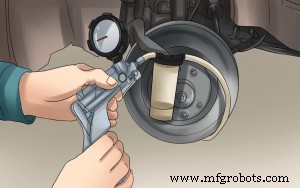
Bleeding a hydraulic system can be done manually or through the use of a mechanical pump. Manual bleeding is typically done by opening the bleed cock on the system’s reservoir and letting the fluid flow out. Mechanical bleeding is accomplished by using a pump to remove pressure from the system.
What are the benefits of bleeding a hydraulic system?
Bleeding a hydraulic system can be beneficial in a number of ways. First, it can clear out any debris or dirt that has built up inside the system. This can help to ensure that the system is working properly and is able to deliver its full potential. Additionally, bleeding can also help to restore fluid levels if they have been depleted by debris or other problems. Finally, bleeding can also help to prevent damage to the system due to excessive pressure.
There are a number of different methods that can be used to bleed a hydraulic system. Whichever method is chosen, it is important to ensure that the system is properly sealed off once bleeding has been completed. Otherwise, fluid and debris could spread throughout the system and cause further damage.
When should you bleed a hydraulic system?
Bleeding a hydraulic system is a common procedure that is performed to keep the hydraulic system operating at its best. Bleeding a hydraulic system can be accomplished in a few different ways, depending on the type of hydraulic system being used.
Bleeding a hydraulic system can be accomplished using a bleeder valve, a pressure bleed valve, or a pump and filter system.
Steps to Bleeding a Hydraulic System
Bleeding a hydraulic system is an important process to ensure your vehicle operates smoothly. Here are six steps to follow:
1. Shut off the power to the hydraulic system.
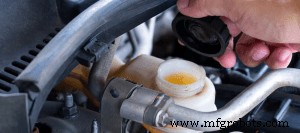
2. Open the bleed screw on the reservoir.
3. Open the bleed screw on the pump.
4. Turn on the power to the hydraulic system and wait until the pressure builds up in the system before shutting it off again.
5. Check for leaks by listening for escaping noise or seeing fluid coming out of leaks.
6. Bleed the system until no more fluid comes out of leaks and then close the bleed screws.
Do you have to bleed a hydraulic system
How to bleed a hydraulic system
Bleeding a hydraulic system is a common task that must be completed in order to restore normal operation. The process of bleeding a hydraulic system can be broken down into four steps: detecting the problem, isolating the bleed point, bleeding the system, and restoring normal operation.
Step 1: Detecting the Problem
The first step is to detect the problem. This may involve a visual inspection of the system or a test drive to see if the system is operating normally. If there is an obvious issue with the system, such as a leak, it will be easier to address later on in the process.
Step 2: Isolating the Bleed Point
If there is an issue with the system, it will likely require some type of isolation. This may involve disconnecting various components in order to isolate the bleed point. Once the bleed point has been identified, it can be bled by opening a valve and allowing fluid to flow through the system.
Step 3: Bleeding the System
Once the bleed point has been identified and isolated, it can be bled by opening a valve and allowing fluid to flow through the system. This will help to restore normal operation and resolve any issues that were detected during
Conclusion
No, you don’t have to bleed a hydraulic system. However, if the system has been improperly installed or operated in an unsafe manner, bleeding may be the only way to correct the problem. By following proper installation and usage procedures, you can avoid many problems down the road.
Bleeding a hydraulic system is a common procedure that must be completed in order to restore normal operation. By following proper installation and usage procedures, you can avoid many problems down the road.
Do you have to bleed a hydraulic system,please click topkitparts see more
Industrial equipment
- Step‑by‑Step Guide to Bleeding a Hydraulic Pump
- Identifying Air in Your Hydraulic System: Signs, Detection, and Remedies
- How to Adjust Hydraulic Speed for Peak Performance
- How to Effectively Test a Hydraulic Pump for Optimal Performance
- Do You Need to Prime Your Hydraulic Pumps? Essential Guide
- Three Key Innovations in Hydraulic Pump Technology
- Understanding Hydraulic Pump Contamination: Types, Causes, and Prevention
- Top 4 Causes of Hydraulic System Failure – How to Identify and Prevent Them
- Hydraulic Strand Jack Lifting System: Powerful, Reliable Heavy‑Lifting Solution
- Bleeding Hydraulic Cylinders: Why It Matters for Performance and Reliability