



Do You Need to Prime Your Hydraulic Pumps? Essential Guide
Prime your hydraulic pumps can be a crucial step in maintaining your equipment, and there are a few things you need to know before you do it. In this article, we’ll outline the basics of prime pumping, and give you a few tips on how to best do it.
What is Prime?
Prime is a process of lubricating and protecting components in an engine or machine. It’s also the act of pumping fluid (usually oil) into a hydraulic system to keep it operating at peak efficiency. When you prime your pumps, you’re ensuring that their pistons are fully lubricated and free from debris, and that their seals are in good condition.
Why Prime Pumps?
Priming your pumps can improve the efficiency of your hydraulic system by reducing friction and wear. It can also help to protect your equipment by preventing damage caused by moisture or contaminants. Finally, priming can help to optimize performance by providing the oil necessary for optimal function.
How to Prime a Hydraulic Pump
There are a few steps you need to take before priming your pump:
1. Clear the area around the pump. Make sure there aren’t any obstacles blocking the path of the oil flow, and remove any debris that may be present. This includes anything from leaves to branches to dirt.
2. Locate the prime valve on the pump. This is usually a small hole located near the top of the pump. You’ll need to open it using a wrench or pliers
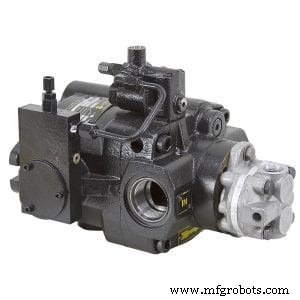
Do you have to Prime hydraulic pumps
What is a hydraulic pump?
A hydraulic pump is a machine that uses pressurized liquid to move objects. The first hydraulic pumps were invented in the 18th century, and they were used to power mills and other industrial machines. Today, hydraulic pumps are used in a variety of applications, including construction, transportation, and energy production.
A hydraulic pump works by using pressure to move objects. In a typical hydraulic pump system, an oil or gas-filled cylinder is mounted on the motor shaft. The cylinder is connected to a series of pistons, which are positioned near the object that you want to move. When you press down on the piston, it causes the oil or gas inside the cylinder to flow into the object. This flow of fluid causes the object to move!
There are two main types of hydraulic pumps: prime and secondary. Prime pumps use pressurized oil or gas to create motion; secondary pumps use water or air pressure to create motion. Prime pumps are typically used for moving heavy objects; secondary pumps are used for moving lighter objects.
The main advantage of using a hydraulic pump is that it’s very efficient. You can use less energy than you would if you were using another type of engine to move the object
What is priming a hydraulic pump?
Priming a hydraulic pump is the act of pumping fluid into the cylinder to prime the pump. This fluid is usually oil, but can also be water or other fluid. Priming helps to initialize the pump and get it up and running.
What are the Benefits of Prime?
One of the benefits of prime is that it helps to keep hydraulic pumps working at their best. Prime can help to prevent sticking and ensure that fluid flows smoothly and without interruption. Additionally, prime can help to extend the life of hydraulic components.
When do you need to Prime your pump?
There is no one definitive answer to this question. In general, you should prime a hydraulic pump whenever the fluid pressure falls below the operating pressure limit. However, there are a few exceptions to this rule. For example, if your hydraulic system is equipped with a back up generator, you may not need to prime the pump. Additionally, if your pump is fitted with an overpressure reduction valve (OPRV), you may not need to prime it at all.
What does it mean to Prime a hydraulic pump?
Priming a hydraulic pump is a vital step in correctly using it. Without priming, the pump will not be able to start and will cause damage. Priming the pump means pumping fluid into the cylinder until it’s full and then stopping.
How do I make sure my hydraulic pumps arePrime-ready?
There is no one-size-fits-all answer to this question, as the best way to ensure Prime-ready hydraulic pumps varies depending on the specific application and pump model. However, some tips for ensuring your pumps are ready for Prime include: using a compatible oil and filter; verifying that the pump meets Prime standards; and regularly checking the pump’s operating parameters.
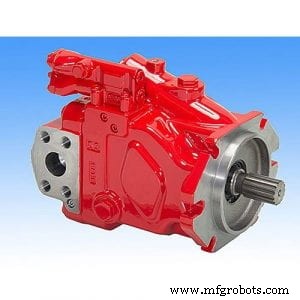
Do you have to Prime hydraulic pumps
How do you know if your pump needs to be Primered? 1
hydraulic pumps are essential for many industrial and commercial applications. However, like any other mechanical device, they can fail if not properly maintained. Here is a guide on how to determine if your hydraulic pump needs to be Primered:
Pumps that are used in industrial and commercial applications often require regular maintenance. This includes the process of priming the pump. Priming is the act of filling the pump with oil to help it operate efficiently.
One way to determine if your pump needs to be primed is to check the oil level. If the oil level is low, it means that the pump has not been used for a while and may need to be primed. However, if the oil level is high, it means that the pump has been used and may not need to be primed.
If you do need to prime your pump, make sure to use an approved primer. Failure to use an approved primer can result in damage to your pump and could lead to its failure.
Why do you need to prime a hydraulic pump?
hydraulic pumps are used in a variety of applications, most notably in automotive and agricultural industries. However, before the pump can be used, it must be primed. Priming a hydraulic pump involves pumping air into the system to create a high-pressure atmosphere. This allows the pump to move fluid more easily and efficiently.
There are several reasons why you might need to prime a hydraulic pump. For example, if the engine is not running or if there is a clog in the system, priming the pump will help get the engine started and clear the blockage. Additionally, priming will help avoid cavitation, which is when bubbles form in the fluid and create damaging pressure waves.
What are the advantages of Prime in hydraulics pumps?
Prime hydraulics pumps are designed for high-volume, continuous operation. They offer a number of advantages over conventional pumps, including:
– Higher efficiency: Prime hydraulics pumps are more efficient than conventional pumps, resulting in lower power and operating costs.
– Longer life: Prime hydraulics pumps have longer lives than conventional pumps, which can result in lower maintenance costs.
– Greater reliability: Prime hydraulics pumps are more reliable than conventional pumps, which can result in fewer downtime incidents.
What are the disadvantages of Prime in hydraulics pumps?
Priming hydraulic pumps is an essential function of the pump, but it can also be a source of down time and reduced efficiency. It is important to understand the disadvantages of prime before implementing it into your pumping systems.
There are several reasons why prime can reduce pump efficiency. Priming causes friction, which consumes energy and reduces the flow rate of the fluid. The prime also creates heat, which can damage components in the pump. Finally, priming can also wear out seals and other mechanical parts in the pump over time.
If you must prime your hydraulic pumps, use a proper method that won’t cause damage or reduce efficiency. There are many options available, such as using compressed air or nitrogen gas. Be sure to research each option thoroughly to determine which is best for your specific pumping system.
Conclusion
No, you do not have to prime hydraulic pumps. However, if the pump has not been used in a while or if it has been cold for an extended period of time, it may be necessary toprime the pump. Priming will help the pump flow more freely and reduce wear on its parts.
Do you have to Prime hydraulic pumps, please clickhttps://topkitparts.com/ to learn more
Industrial equipment
- Top 5 Causes of Hydraulic Pump Failures and Prevention Tips
- How to Prime a Hydraulic Gear Pump for Optimal Performance
- Step-by-Step Guide to Priming a Ford Tractor Hydraulic Pump
- Rebuilding Hydraulic Pumps: A DIY Step-by-Step Guide
- When and Why to Bleed Your Hydraulic System
- How to Effectively Test a Hydraulic Pump for Optimal Performance
- Three Key Innovations in Hydraulic Pump Technology
- Do Hydraulic Pumps Lose Power Over Time? A Professional Guide to Their Lifespan
- Step-by-Step Guide to Cleaning a Hydraulic Pump for Optimal Performance
- Essential Guide to Maintaining Your Hydraulic Pump: Tips, Troubleshooting & Longevity