



How to Reverse the Rotation of a Hydraulic Pump: Safe & Efficient Methods
Rotating a hydraulic pump can be done manually by hand, but there are more automated methods available as well. In this article, we’ll take a look at the different methods and decide which one is best for the job at hand.
What is a hydraulic pump?
A hydraulic pump is a machine that uses the pressure from a liquid or gas to move something else. They are used in many different applications, including manufacturing, mining, and transportation.
A typical hydraulic pump has a housing that contains a motor, gearbox, and valves. The motor turns the gearbox, which in turn operates the valves. This sends pressurized fluid into the pipe or shaft it’s connected to. The pressure from the fluid helps move whatever it’s connected to.
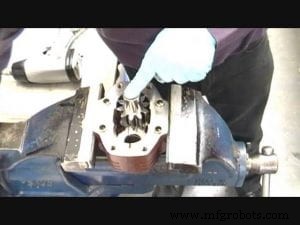
Can you change rotation on a hydraulic pump
Rotating a hydraulic pump
A rotating hydraulic pump is a critical component of many industrial operations. Rotating a pump can improve its efficiency and performance, by reducing the amount of energy needed to move the fluid. Additionally, rotating a pump can help avoid damage to the impeller or other components.
The most common way to rotate a pump is using an electric motor. However, there are also manual methods that use levers or gears. Regardless of the method used, it is important to properly adjust the rotation speed to match the needs of the operation.
Why Rotate Hydraulic Pumps?
When it comes to your hydraulic machinery, it’s important to keep it running smoothly and efficiently. One way to do this is by regularly rotating the pumps that drive the machinery. This can help reduce wear and tear on the machinery, and also ensure that the flow of hydraulic fluid is consistent.
There are a few reasons why you might want to rotate your hydraulic pumps. For example, if you’re using a pump that’s mounted on a moving part (like a motor), rotating it can help reduce wear and tear on that part. Additionally, rotating the pumps can help distribute wear and tear evenly across all of the blades in the pump, which can prolong its life.
If you’re not sure whether or not your pump needs to be rotated, you can usually check it by measuring the flow rate at different points around the shaft of the pump. If the flow rate drops as you move along the shaft, then it likely needs to be rotated.
The benefits of rotating a hydraulic pump
There are many benefits to rotating a hydraulic pump, the most obvious being that it can improve efficiency. Rotating the pump also helps to prevent wear and tear on the engine and other components, as well as prolonging the life of the pump.
Another benefit of rotating a hydraulic pump is that it can improve airflow over the engine. Poor airflow can lead to decreased engine performance and even pre-mature failure of parts. By rotating the pump, you can ensure that air flows smoothly around the engine and doesn’t get trapped in any areas.
Finally, rotating a hydraulic pump can help to reduce noise levels. If the pump is running at an incorrect speed, it can produce a lot of noise. By rotating the pump, you can ensure that the noise is reduced and your machine operates more quietly overall.
The steps to rotating a hydraulic pump
Believe it or not, rotating a hydraulic pump is actually pretty easy! All you need to do is loosen the bolts that hold the impeller onto the shaft and turn it around. Just make sure the blades are pointing in the opposite direction before re-tightening the bolts.
In addition, keep in mind that you should also lubricate and adjust your impeller every so often to ensure optimal performance.
Factors That Affect the Rotation of a Pump
The rotation of a hydraulic pump is affected by a variety of factors, which can include the design of the pump, the fluid being pumped, and the geometry of the pump. Here are some tips to help you optimize the rotation of your pump:
1. Make sure your pump is designed for the application. Rotating pumps are more efficient when they are used for their intended purpose.
2. Choose a fluid with a low viscosity. Low viscosity fluids allow for more consistent rotation of the impeller, leading to improved performance and efficiency.
3. Choose a geometry that suits your application. A flat impeller will rotate more slowly than an angular impeller, which will rotate more quickly in a given amount of time. Opt for a geometry that best suits your needs and expectations.
4. Keep an eye on your impeller wear and tear. Over time, an impeller will wear down, which can lead to decreased efficiency and increased wear on other components within the pump system. Regularly inspect your pump for signs of wear and tear, and take appropriate action to protect it from damage.
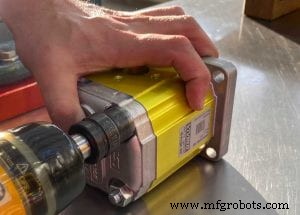
Can you change rotation on a hydraulic pump
How Does a Hydraulic Rotation Position Change?
A hydraulic pump is a rotating mechanism that uses the power of hydraulics to move fluid. When the rotation of a hydraulic pump changes, it can have an impact on the operation of the pump.
If you are looking to change the rotation of your hydraulic pump, there are a few things to consider. First, you will need to identify the type of rotation your pump operates in. There are three common types of rotation: clockwise, counterclockwise, and radial. Second, you will need to determine what type of engine your pump is using. Finally, you will need to measure the length and width of the gearbox that your engine is using.
Once you have all of this information, you can begin to adjust the rotation of your pump. Clockwise rotation is easiest to adjust, while counterclockwise and radial rotations require more effort.
Basic guidelines for fixing/changing rotation on a hydraulic pump
If you are reading this, then the odds are that your hydraulic pump is not rotating as it should. In this article we will outline the basic guidelines for fixing/changing rotation on a hydraulic pump.
First and foremost, always shut off the power to your machine before attempting to fix or change anything. This includes if you are just troubleshooting the issue. If you do not have power to the pump, then it is also important to make sure that there is no hydraulic fluid flowing through it. If there is hydraulic fluid flowing through the pump, then you could cause serious damage if you attempted to disassemble or work on it without proper precautions.
Secondly, it is important to understand the type of rotation your pump needs in order to function properly. There are three types of rotations that a hydraulic pump can use: clockwise, counterclockwise, and neutral (or hole). The type of rotation that your pump uses will be indicated on the label that is attached to the machine. If you are not sure which type of rotation your machine needs, then you can consult with a technician or manufacturer.
Thirdly, it is important to know how to access and replace various parts on a hydraulic pump.
Conclusion
Yes, you can change the rotation on a hydraulic pump. Rotation is an important parameter that affects the overall performance of a pump. Changing the rotation will affect how efficiently the pump moves fluid and pressurized media.
Can you change rotation on a hydraulic pump, please clickhttps://topkitparts.com/ to learn more
Industrial equipment
- How to Detect a Faulty Hydraulic Pump: Key Indicators
- Can a Hydraulic Pump Function as a Hydraulic Motor? Understanding the Differences and Practical Applications
- Running a Hydraulic Pump with an Electric Motor: How and Why It Works
- Rebuilding Hydraulic Pumps: A DIY Step-by-Step Guide
- How to Effectively Test a Hydraulic Pump for Optimal Performance
- Assessing Hydraulic Pump Efficiency: Key Indicators & Best Practices
- Run a Hydraulic Pump Without Oil? Use a Water Pump for Safe, Emergency Operation
- Can a Hydraulic Motor Serve as a Pump? Exploring Dual-Function Fluid Power Systems
- Step-by-Step Guide to Cleaning a Hydraulic Pump for Optimal Performance
- Essential Guide to Maintaining Your Hydraulic Pump: Tips, Troubleshooting & Longevity