



Does Pump Rotation Direction Affect Hydraulic Performance?
Most pumps are turned by twisting a handle, but there is also a pump that uses a cam and belt to turn. These types of pumps are used in machines that move fluids, like engines or water turbines. In this article, we’ll look at how these different types of pumps work and see if it matters which direction the pump turns.
What is a hydraulic pump?
A hydraulic pump is a mechanical device that uses pressurized liquid or gas to move objects. A typical hydraulic pump consists of a cylinder, piston, and connecting rod. The cylinder is filled with the fluid of interest and the piston is moved up and down by the pressurized fluid. This motion causes the connecting rod to turn, which in turn moves the object being transported.
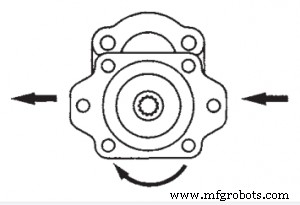
Does it matter which direction a hydraulic pump turns
How a hydraulic pump works
A hydraulic pump is a machine that uses the power of hydraulics to move things. When you turn the crank on a hydraulic pump, it uses the energy from the crank to push fluid (usually water) through a series of tubes. This fluid move is what powers the pump and makes it possible to move objects using just your hands.
One of the most important factors when choosing a hydraulic pump is its direction. A pump can work in either forward or reverse, but it’s usually easier to think about them in terms of forward and reverse flow. Forward flow means that the fluid is moving down the tubes and backward flow means that the fluid is moving up the tubes.
It’s easy to see why it would be important for a pump to work in one direction only – if a pump were to work in both directions, it would quickly become overloaded and damaged. This is why most pumps are designed to work only in one direction – by turning the crank, you can control which direction the fluid moves.
Types of hydraulic pumps
There are many types of hydraulic pumps, each with its own advantages and disadvantages. Before you choose a pump, be sure to consider the specific needs of your application. Here are some of the most common types of hydraulic pumps:
Piston pump: The piston pump is the oldest type of hydraulic pump and is still the most commonly used. It works by using a small piston to move fluid up and down a pipe. The advantage of this type of pump is that it is very efficient and can be used in a wide variety of applications. The disadvantage is that it can be expensive and difficult to maintain.
Rotary vane pump: A rotary vane pump uses a series of paddles to move fluid around a rotor. This type of pump is more efficient than the piston pump and is often used in applications where high speed or high torque are required. The disadvantage is that it can be more difficult to mount than the piston pump and requires more space on the engine.
Impulse turbine pump: An impulse turbine pump uses an airfoil to create an impulse that propels the fluid forward. This type of pump is often used in applications where high pressure or high flow are required. The advantage of this type
Advantages and disadvantages of different types of hydraulic pumps
There are a few different types of hydraulic pumps available on the market today. Each has its own advantages and disadvantages that should be considered before making a purchase.
Direct Drive vs Gear Pump
The two main types of hydraulic pumps are direct drive and gear pump. Direct drive pumps operate without any gears, while gear pumps use gears to increase the speed of the pump.
Direct drive pumps are simpler and faster to operate, but they can wear out more quickly due to their lack of gears. Gear pumps are less versatile, but they can provide increased efficiency and durability.
Piston Pump vs Rotary Pump
Piston pumps work by using pistons to move the fluid. Rotary pumps work similarly, but they use a motor to spin an impeller around a shaft.
Piston pumps are generally cheaper than rotary pumps, but they can be less efficient because of the energy wasted in the spinning motion. Rotary pumps are more expensive, but they are more powerful and can reach higher speeds.
Which is best for your project? It depends on your specific needs and budget.
Why does it matter what direction a pump turns?
A hydraulic pump can turn in either direction, but it is important to know what direction the pump is actually turning in order to get the most efficient use of the energy it consumes. The direction that a pump is turning affects how much pressure it can generate and how quickly it can move fluid.
Why does the direction of an engine turn make a difference?
In a typical engine, the pistons move up and down inside cylinders called cylinders. The piston’s movement pushes air and fuel mixture into the engine, which powers the car or truck.
If you look at an engine from the front or back, you’ll see that the direction of rotation is different. In a gasoline engine, the cylinders are on the front of the engine. The air and fuel mixture is then ignited by a spark plug and burned in the cylinders. This results in power being delivered to the wheels from behind.
A diesel engine works essentially the same way, with a few exceptions. In a diesel engine, all of the cylinders are on the front of the engine. Instead of a spark plug, there’s a diesel injector that sends pressurized water mixed with oil into each cylinder. This creates steam, which powers the pistons and turns them around.
The main difference between gasoline and diesel engines is their fuel source: gasoline engines use gas while diesel engines use oil. Because of this, a diesel engine typically needs to be turned 180 degrees to put it in reverse gear so it can drive in reverse.
Other Ways to Make the Pump Turn in Different Directions
When it comes to hydraulic pumps, there are a variety of different ways that they can be turned. This includes rotating in one direction or another, as well as turning in a helical pattern. Which direction the pump turns does not always have a direct impact on how it works or how quickly it can move fluid. However, it can still be an important factor to take into account when designing a system. Here are some other ways that pumps can be turned:
Piston pumps : These types of pumps rely on pistons to move the fluid through the system. They can be turned by manually rotating the cylinder, or by using an electric motor to rotate the shaft. The advantage of this type of pump is that they are relatively easy to operate and maintain.
Vane pumps : These pumps use vanes to move the fluid through the system. They can be turned by using a handle or lever, or by using an electric motor to rotate the shaft. The advantage of this type of pump is that they are relatively fast and efficient compared to piston pumps.
Rotary vane pumps : Rotary vane pumps use a series of rotary blades to move the fluid through the system. They can be
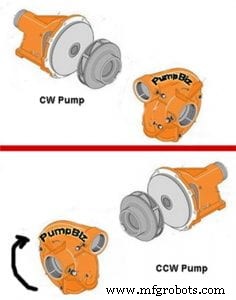
Does it matter which direction a hydraulic pump turns
How to Determine the Direction an Hydraulic Pump Turns
It is important to know the direction an hydraulic pump turns to ensure proper operation. There are a few methods you can use to determine the direction of rotation. One way is to look at the arrow on the pump. If the arrow points down, the pump is turning in a downward direction. If the arrow points up, the pump is turning in an upward direction. Another way to determine the direction of rotation is by looking at the belt or pulley system. If the belt or pulley is turning in one direction, then the pump is most likely turning in that same direction.
How to determine if a pump is in the correct direction? 3
A hydraulic pump is a machine that uses hydraulic pressure to move objects or fluids. Many industrial processes, such as printing and painting, are carried out using hydraulic pumps.
When a hydraulic pump is in operation, it must be turned in the correct direction. If the pump is turned the wrong way, it can damage the equipment it is working on or even cause injuries to people who are nearby.
To determine if a pump is in the correct direction, you need to know its orientation and its shaft speed. Orientation refers to how the shaft of the pump is facing. Shaft speed refers to how quickly the shaft of the pump is turning.
If you need to turn a pump in the wrong direction, first check its orientation. If that’s not possible, use shaft speed to determine if you should turn the pump in the correct or incorrect direction.
Conclusion
In general, the direction that a hydraulic pump turns doesn’t really matter. However, there are some specific scenarios in which it can make a difference. For example, if you’re trying to push fluid uphill or if the fluid contains solid particles that will be caught in the impeller’s blades, turning the pump in the opposite direction will help to avoid damage.
Does it matter which direction a hydraulic pump turns, please click topkitparts see more
Industrial equipment
- Top 5 Causes of Hydraulic Pump Failures and Prevention Tips
- Discover the Most Efficient Hydraulic Pump: Expert Comparison & Selection Guide
- Hydraulic Pump Lifespan: Typical Operating Life and Replacement Guidance
- How to Determine the Horsepower Needed for Your Hydraulic Pump
- Rebuilding Hydraulic Pumps: A DIY Step-by-Step Guide
- Selecting the Optimal High‑Pressure Hydraulic Pump for Industrial Use
- When Is It Time to Repair Your Hydraulic Pump?
- Choosing the Right Hydraulic Pump: A Comprehensive Guide to Types and Performance
- Directional vs. Non-Directional Hydraulic Pumps: Which Is Right for Your Application
- Do Hydraulic Pumps Lose Power Over Time? A Professional Guide to Their Lifespan