



Discover the Most Efficient Hydraulic Pump: Expert Comparison & Selection Guide
Hydraulic pumps are an important part of any refining or processing operation. They are used to move liquid or gas through a system at a controlled rate, and they play an important role in the production of oil and gas.
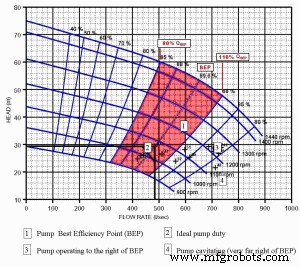
Which hydraulic pump has maximum efficiency
Types of hydraulic pumps
hydraulic pumps are classified according to the way they use energy to move fluid. There are three types of hydraulic pumps: impulse, displacement, and volumetric. Impulse pumps use a high-energy pulse to create motion. Displacement pumps use a continuous flow of fluid to create motion. Volumetric pumps use a constant volume of liquid or gas to create motion.
Impulse pumps
An impulse pump uses a high-energy pulse to create motion. These pumps are used for applications where high speed and power are needed, such as in hydraulic fracturing.
Displacement pumps
A displacement pump uses a continuous flow of fluid to create motion. These pumps are used for applications where speed is not as important as power. They are often found in water treatment plants and other industrial settings.
Volumetric pumps
Each type of pump has its own advantages and disadvantages. Impulse pumps are the most efficient because they use less energy than displacement or volumetric pumps. Displacement pumps are the least efficient because they require more energy to move the same amount of fluid. Volumetric pumps are the most efficient when moving large amounts of fluid at a time.
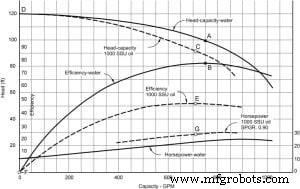
Which hydraulic pump has maximum efficiency
The efficiency of different types of hydraulic pumps
There are many different types of hydraulic pumps available on the market, each with its own unique efficiency. To make the best decision when selecting a pump, it is important to understand what factors affect its efficiency. Some of the most important factors include the type of fluid being pumped, the type of piston used, and the mechanical design of the pump. Here are three different types of pumps and their respective efficiencies:
1. Piston Pumps:
These pumps use pistons to move the fluid through the system. Their efficiency depends largely on the type of piston used, with diaphragm and vane engines being the most efficient. Diaphragm engines typically have a higher efficiency than vane engines, but both can be highly effective. Piston pumps are usually smaller and more affordable than other types of pumps, making them a good option for small applications.
2. Rotary Pumps:
Rotary pumps work by turning a disk around a central shaft. This motion creates a flow of fluid through the system, which makes them among the most efficient types of pumps available. They’re generally larger and more expensive than other pumps, but they offer high performance and areable to handle large volumes of fluid.
3. Vane Pumps:
Vane pumps work by using a vane to move the fluid through the system. Their efficiency depends largely on the type of vane used, with disk and scroll engines being the most efficient. Disk engines typically have a higher efficiency than scroll engines, but both can be highly effective. Vane pumps are usually larger and more expensive than other pumps, but they offer high performance and are able to handle large volumes of fluid.
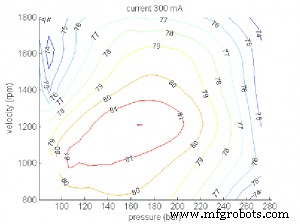
Which hydraulic pump has maximum efficiency
Factors that affect the efficiency of a hydraulic pump
Factors that affect the efficiency of a hydraulic pump can be divided into environmental and mechanical factors. Environmental factors include temperature, pressure and humidity. Mechanical factors include the size and shape of the pump, the type of fluid being pumped and the operating conditions.
There are several types of hydraulic pumps with different efficiencies. The most efficient type of pump is a rotary vane pump. This type of pump has a maximum efficiency when the fluid is moving in a circle. Other types of pumps have different efficiencies when pumping different fluids. For example, an eccentric piston pump has a maximum efficiency when pumping viscous liquids, while a centrifugal pump has a maximum efficiency when pumping gases.
Efficiency of Hydraulic Pumps
The hydraulic pump with the highest efficiency is the rotary vane pump. This type of pump uses a series of vanes to move the fluid, which leads to increased efficiency. Other pumps that are considered to be high in efficiency include the centrifugal pump and the screw pump.
All of these pumps have various advantages and disadvantages, so it is important to choose the one that will work best for your specific application.
One factor to consider when choosing a pump is the size of the fluid being moved. Pumps with larger capacities can handle larger amounts of fluid more quickly, which can lead to increased efficiency.
Other important factors to consider include the type of fluid being moved and the terrain where the pump is being used. Pumps that are designed for water use typically have high efficiencies, while pumps that are designed for oil or gas may have lower efficiencies.
Overall, the efficiency of a hydraulic pump is important to consider when selecting one for use in an application.
Conclusion
In this article, we are going to be discussing the two main types of hydraulic pumps and their respective efficiencies. We will also be providing a brief comparison between the two so that you can make an informed decision about which one is right for your application.
Which hydraulic pump has maximum efficiency? please click topkitparts see more
Industrial equipment
- Top 5 Causes of Hydraulic Pump Failures and Prevention Tips
- Hydraulic Pump Lifespan: Typical Operating Life and Replacement Guidance
- Rebuilding Hydraulic Pumps: A DIY Step-by-Step Guide
- Maximize Performance: Selecting the Most Efficient Pump Type
- Does Pump Rotation Direction Affect Hydraulic Performance?
- Do You Need to Prime Your Hydraulic Pumps? Essential Guide
- Selecting the Optimal High‑Pressure Hydraulic Pump for Industrial Use
- Choosing the Right Hydraulic Pump: A Comprehensive Guide to Types and Performance
- Choosing the Most Efficient Pump: A Practical Guide
- Do Hydraulic Pumps Lose Power Over Time? A Professional Guide to Their Lifespan