



Consequences of Reversing Pump Rotation: Protecting Your Equipment
The pump rotation direction is a critical parameter for the functioning of a pump. If the rotation direction is reversed, it can lead to serious damage to the pump and even cause its failure. In this article, we will discuss the effects of a pump rotation direction reversal and give you some tips on how to avoid it.
The most obvious effect of a pump rotation direction reversal is that the impeller will no longer be able to move fluid in the desired direction. This can cause the pump to overheat and eventually fail. Additionally, the bearings and other components that are mounted on the shaft of the pump may become damaged.
There are a few ways to avoid a pump rotation direction reversal. First, make sure that you know which way the pump is supposed to rotate. Second, always use caution when changing the rotation direction of a pump. Finally, always keep an eye on the performance of your pump in case it begins to show signs of wear or damage after being rotated in the wrong direction.
If you experience any problems with your pump after it has been rotated in the wrong direction, be sure to contact a qualified professional. They can help you determine the extent of the damage and recommend a solution.
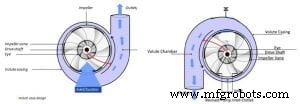
What will happen if pump rotation direction is reversed
What is pump rotation?
Pump rotation is the process of turning a pump over so that its impellers are facing in the opposite direction. When a pump is rotated, it can improve circulation and reduce waste. However, if the pump rotation direction is reversed, it can lead to problems.
When a pump comes in contact with contaminants, such as oil or water, the impellers will become coated with the material. If the pump is rotated 180 degrees, the impellers will now be rubbing against each other instead of being sprayed outwards. This can lead to damage and wear on the pump’s components. In extreme cases, this could even cause the pump to fail.
It is important to be aware of the pump rotation direction when using a pump, and to always keep it in mind when making repairs or adjustments.
How does pump rotation work?
When a pump rotates, it causes a differential in pressure between the inlet and outlet. This differential is what causes the liquid to flow. The direction of rotation can be changed by reversing the direction of the belt or impeller.
Pump rotation is used to move liquids and gases. It is also used in water treatment to remove impurities.
Pump rotation is also used in industrial processes to move liquids and gases.
What is pump rotation direction?
Pump rotation direction is the direction of the pump’s rotation. It is important to know this information so you can properly operate your pump. The rotation direction is usually printed on the side of the pump.
Most pumps can be rotated in either a clockwise or counterclockwise direction. It is important to know which direction the pump is rotating in so you can properly use the water flow.
If the pump is not rotating correctly, it may cause flooding or clogs in your system.
How does pump rotation direction impact pumping efficiency?
Pump rotation direction is important for both efficiency and safety. In most cases, rotating the pump in the opposite direction of the flow of liquid will result in greater pumping efficiency. However, there are a few instances where rotating the pump in the same direction as the liquid flow can be more efficient. Understanding which scenario is most likely to occur and how to adjust your operation accordingly can ensure optimal pumping performance.
Additionally, rotating the pump in the opposite direction of the liquid flow can reduce the risk of fluid entrapment. When the pump is turned in the opposite direction, any objects that may have been lodged in the impeller blades will be forced out into the flow of liquid.
What are the consequences of reversing pump rotation direction?
If you were to reverse the rotation of your pump, it would result in a decrease in water flow. This decrease in water flow can cause damage to your pump and system. It’s important to remember that reversing pump rotation is not recommended, as it can have negative consequences.
If you feel your pump is not functioning properly, it’s best to consult with a professional. Damage can occur quickly if you don’t take proper precautions.
Pump rotation can also be a safety issue. If the pump is not rotating properly, it can cause water to flow in an incorrect direction, posing a potential danger.
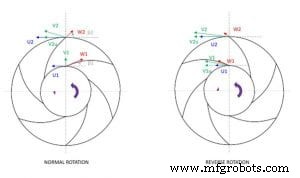
What will happen if pump rotation direction is reversed
How can pump rotation direction be corrected?
If you have a pump that rotates in one direction but you need it to rotate in the opposite direction, there are a few things you can do.
The most common way to correct this is by using a belt or chain drive that can be turned around. This will require some modification to your existing pump installation, but it is usually fairly easy to do.
Another option would be to purchase a new pump that rotates in the desired direction. This type of pump is available and can be a more cost effective solution, but it may not be compatible with your current installation.
How to do pump rotation properly
If you’re wondering how to do pump rotation properly, here are a few steps to follow.
1. Place the pump in the desired position.
2. Hold the handle in one hand and turn the shaft clockwise with your other hand.
3. Keep your hand on the handle and turn it until the pump is in the correct position.
Conclusion
Pump rotation direction is important to ensure a consistent and accurate flow of medication into the blood stream. If this direction is reversed, it could lead to clogging and even blockages in the pump. Always follow the manufacturer’s instructions when setting up your infusion pump, and be sure to keep an eye on any signs of pump failure such as low flow rates or blocked ports.
What will happen if pump rotation direction is reversed, please clickhttps://topkitparts.com/ to learn more
Industrial equipment
- Understanding Jockey Pumps: Essential Pressure Maintenance for Fire Sprinkler Systems
- Turbine Pumps Explained: Design, Operation, and Applications
- Understanding Hand Pumps: How They Work and Their Uses
- Understanding Discharge Pressure: Key to Pump Performance
- Understanding the Water Pump Pulley: Function, Importance, and Replacement Tips
- What Is a 3-Stage Pump? A Comprehensive Guide
- Understanding 1-Stage Pumps: Design, Function, and Industrial Applications
- Impact of Air Trapping in Hydraulic Systems: Effects & Solutions
- Decoding 'N' in Pump Calculations: Its Role and Significance
- How Changing Pump RPM Affects Flow, Efficiency, and Longevity