



How Changing Pump RPM Affects Flow, Efficiency, and Longevity
Pumping fluid from a reservoir to a higher or lower point can be done using a variety of mechanisms, but the most common is a rotary pump. When the RPM of the pump is increased, it can move more fluid at a time – which is good for quickly filling up a tank or transferring water from one location to another. When the RPM is decreased, it can work more slowly, but it’s also less likely to wear down the pump over time.
Pumping fluid from a reservoir to a higher or lower point can be done using a variety of mechanisms, but the most common is a rotary pump.
Generally speaking, increasing the RPM of a pump will result in faster fluid movement and vice versa. It’s important to note, however, that different pumps have different maximum RPMs and it’s not always possible to exceed them. Additionally, overloading a pump can cause it to malfunction or even break.
If you’re unsure whether or not increasing or decreasing pump RPM will have any impact on your system, it’s typically safest to stay within the manufacturer’s recommended range.
If you have any questions about how RPM affects pump performance, please contact a manufacturer or qualified professional.
What is pump RPM?
Pump RPM is the rotational speed of a pump. It is measured in revolutions per minute or RPM. RPM is important because it affects the efficiency of the pump and how quickly water is moved through the system. Increasing pump RPM can increase water flow and decrease pumping time. Decreasing pump RPM can decrease water flow and increase pumping time.
There are a few things to consider when deciding how to change pump RPM: system capacity, electric motor power, and pump structure. Increasing or decreasing pump RPM should be based on these factors to optimize performance in your specific application.
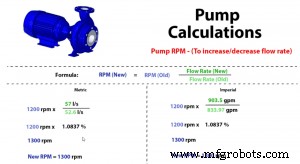
What will happen if we increase or decrease pump RPM
How Does Pump RPM Work?
Increasing pump RPM can potentially increase the amount of work that the pump can complete in a given amount of time. Conversely, decreasing pump RPM can decrease the amount of work that the pump can complete in a given amount of time.
The physical motion of the impeller(s) within the pump is what provides the drive force necessary to move fluid through the pipeline. The faster the impellers are spinning, the more power is generated and the faster flow can be achieved. Pump RPM is also directly related to how efficiently fluid can be moved through a pipeline. Higher pump RPMs result in less wear on equipment and ultimately improve pumping performance.
Why Do Pump RPMs Change?
Pump RPMs change because the impeller shaft revolves faster or slower than the pump speed set point. This difference in speed creates a fluctuation in fluid pressure, which in turn affects the efficiency of the pump. If you increase the pump’s RPM, then fluid pressure is increased and the pump can work more efficiently; conversely, if you decrease the RPM, then fluid pressure is decreased and the pump works less efficiently.
Pump manufacturers typically recommend a certain pump RPM for a given application. However, if you encounter any efficiency problems or if your pump is not operating as efficiently as it should, you should experiment with different pump RPMs to see which gives you the best results.
What can cause an increase in pump RPM?
An increase in pump RPM can be caused by a number of things, all of which can have negative consequences. If the RPM increase is gradual, it may not cause any problems. However, if the RPM increase is sudden or excessive, it can cause the pump to overheat and fail.
Here are some common causes of an uptick in pump RPM:
-A blocked impeller or gear box
-A clogged filter
-A worn out bearing
-A worn out belt
What happens if pump RPM is increased?
If pump RPM is increased, the engine will run faster and more fuel will be burnt. This could lead to higher emissions and a reduction in fuel economy. If pump RPM is decreased, the engine will run slower and less fuel will be burnt. This could lead to lower emissions and a increase in fuel economy.
Pump RPM is controlled by the ECU.
If you are experiencing decreased fuel economy or emissions, it is possible that the pump RPM is not being controlled correctly by the ECU. In this case, it may be necessary to adjust the pump RPM using a manual override.
What can cause a decrease in pump RPM?
Some reasons that can cause a pump to run slower include:
– Old or worn parts
– Low oil pressure
– Heavy loads or pressures
– Obstruction in the pump discharge flow
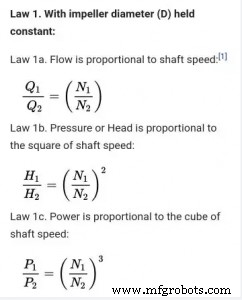
What will happen if we increase or decrease pump RPM
What happens if pump RPM is decreased?
Decreasing pump RPM will have a negative impact on the system. Decreased pump RPM can cause the system to overheat, and eventually fail. Additionally, decreased pump RPM can lead to decreased efficiency and increased wear on the system.
If the pump RPM is decreased too far, it can even cause the system to fail. Always use caution when changing pump RPM, and make sure that the system is in a safe state before making any alterations.
If you are ever unclear about the impact of a given pump RPM change, please contact our team for assistance.
How do we increase or decrease the pump’s RPM?
Increasing the pump’s RPM will result in a higher flow of water through the pump. Decreasing the pump’s RPM will result in a lower flow of water through the pump.
Conclusion
If you are unsure about what pump RPM is, or if you would like to change it, be sure to consult with your pump manufacturer. Increasing or decreasing pump RPM can affect the efficiency of your pumps and may also result in damage to the equipment. If you are uncertain about how to change pump RPM on your own unit, consult a professional technician.
Pump RPM is controlled by the ECU and can be changed using a variety of methods, but always use caution and make sure that the system is safe before making any alterations. Increasing or decreasing pump RPM can have a significant impact on the efficiency of your pumps and system.
What will happen if we increase or decrease pump RPM, please clickhttps://topkitparts.com/ to learn more
Industrial equipment
- Understanding Jockey Pumps: Essential Pressure Maintenance for Fire Sprinkler Systems
- Turbine Pumps Explained: Design, Operation, and Applications
- Understanding Hand Pumps: How They Work and Their Uses
- Understanding Discharge Pressure: Key to Pump Performance
- What Is a 3-Stage Pump? A Comprehensive Guide
- Understanding 1-Stage Pumps: Design, Function, and Industrial Applications
- Impact of Air Trapping in Hydraulic Systems: Effects & Solutions
- Decoding 'N' in Pump Calculations: Its Role and Significance
- Consequences of Reversing Pump Rotation: Protecting Your Equipment
- How Changing Pump RPM Affects Flow, Efficiency, and Longevity