



Boost Pump Efficiency: Proven Strategies to Reduce Energy Costs and Improve Performance
Pump efficiency is the ratio of the work done by the pump to the work done by the fluid it is moving. Increasing pump efficiency can reduce your energy consumption, improve plant performance and save you money. In this article, we will discuss three methods for improving pump efficiency.
What is a Pump?
A pump is a device that increases the flow of liquids or gases through a system. This can be used in a variety of ways, including to increase the output from a water pump, oil pump, or gas compressor. Pump efficiency is important because it affects how much work the pump can do per unit of input energy.
There are many factors that affect pump efficiency, including the design of the pump and its components, the quality of the fluid being pumped, and the operating conditions in which it is used. In some cases, modifications to the pump can help improve its performance.
How Does a Pump Work?
A pump is a machine that moves fluid or gas through a system. It does this by using the energy from an engine or other power source to turn a rotating shaft. This motion causes the fluid or gas to be forced through a smaller opening than it would if the pump did not exist, which results in increased flow.
The efficiency of a pump is important because it affects how much work the pump will do per unit of fluid or gas moved. The higher the efficiency, the more efficient the pump will be at moving fluid or gas through a system.
There are many factors that can affect pump efficiency, including the type of fluid being pumped, the size of the pump and the design of the system. Understanding how these factors affect efficiency can help you improve your pump’s performance.
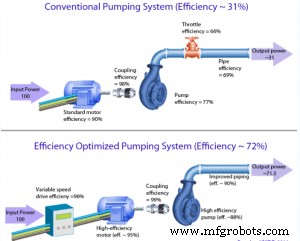
How can I increase my pump efficiency
What is Pump Efficiency?
Pump efficiency is the percentage of work accomplished by a pump in bringing fluid from a higher pressure to a lower pressure. The higher the pressure difference, the more efficient the pump will be. Pump efficiency is important for two reasons: First, it affects how much energy the pump uses. Second, pump efficiency can affect the quality of the fluid delivered.
To maximize pump efficiency, engineers design pumps to operate at their maximum possible speed and at the lowest possible power consumption. They also make sure that the pump’s components are matched as closely as possible to each other, in order to optimize performance.
How to Improve Pump Efficiency
Increasing pump efficiency is a necessary step in making sure your system is running at its best. Here are some tips to help you increase your efficiency:
1. Check the condition of your pump and seals. A worn or damaged pump will not operate as efficiently as one that is in good condition. Inspect your pump regularly for signs of wear and tear, and replace any parts that need to be replaced.
2. Clean and lubricate your pumps regularly. A dirty or malfunctioning pump will require more energy to turn and will generate more waste heat than a properly cleaned and lubricated pump. Make sure to clean the exterior of the pump every 6 months or after each use, whichever comes first. Additionally, apply a small amount of lubricant to the moving parts every month or so to keep them running smoothly.
3. Use the right size pump for your application. If you are using a smaller pump to draw a larger amount of water than is required, the excess water will be wasted due to the lack of efficiency of the pumping process. Choose a pump that is designed for the task at hand and make sure it is matched to the size of pipe being used.
4. Install an Energy Star-
What is the science behind increased pump efficiency?
There is a lot of science behind increased pump efficiency. In fact, there are many different ways to increase pump efficiency. Here are a few tips:
1. Use the right equipment: Make sure that you are using the right type of pump and fittings to achieve the best possible results. For example, using a centrifugal pump to move water through an irrigation system can be more efficient than using a conventional pump.
2. Understand your system: Know exactly how your system works and what variables affect its performance. This will help you optimize your processes and maximize efficiency.
3. Keep an eye on your energy use: Be aware of your energy usage and make sure that it is not excessive. This will help you save money and decrease emissions.
What is the difference between an efficient and inefficient pump?
Efficient pumps are designed to move more fluid with each stroke, which results in a higher pump efficiency. This is important because it can result in less energy being used to power the pump, which in turn reduces the amount of heat that’s produced. Inefficient pumps, on the other hand, move less fluid with each stroke and as a result, produce a lower pump efficiency. This can lead to increased amounts of energy being used to power the pump, which can increase the amount of heat that’s produced.
To maximize pump efficiency, it’s important to ensure that your pump is chosen based on its intended use and specifications. Additionally, keep an eye on your overall system efficiency – if you can reduce the amount of energy that’s used to power your entire system, it will help improve pump efficiency as well.
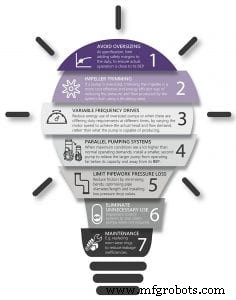
How can I increase my pump efficiency
How to increase your pump efficiency for maximal gains Conclusion
There are a few things you can do to increase your pump efficiency and get the most out of your training. Firstly, make sure that you are using the correct weights and reps for the muscle group you are training. Secondly, make sure that you are incorporating supersets and compound exercises into your routine to maximize muscle growth. Finally, try to drink plenty of water throughout the day to help flush out toxins and improve circulation.
Conclusion
There are a few things you can do to increase your pump efficiency. First, make sure that the weight you’re lifting is maximal and challenging – this will help to stimulate the maximum amount of muscle growth. Secondly, make sure that your technique is perfect – there is no point in pumping iron if you’re not getting any results! Finally, be consistent with your training regime – if you miss a day or two here and there, your muscles will start to forget how to pump effectively.
How can I increase my pump efficiency, please clickhttps://topkitparts.com/ to learn more
Industrial equipment
- How Targeted Training Drives Reliability and Profitability
- Boosting Sales for Private Label Manufacturers: Proven Strategies
- Boost Air Compressor Efficiency on Ships: Proven Strategies
- Boost Production Efficiency with Hydraulic Clamps: Accuracy, Speed, and Consistency
- How to Detect a Faulty Hydraulic Pump: Key Indicators
- Step‑by‑Step Guide to Bleeding a Hydraulic Pump
- Boosting Hydraulic Pump Pressure: Proven Techniques & Tips
- Reduce Hydraulic Pump Noise: Proven Tips & Solutions
- Assessing Hydraulic Pump Efficiency: Key Indicators & Best Practices
- Boost Your Pump Capacity: Proven Tips to Handle More Water