



Are Slow Pumps Better? An Expert Guide to Choosing the Right Garden Pump
When you’re outfitting your garden, it’s important to think about the type of pump you’ll need to get the job done. There are a few factors to consider, such as the size of your garden, the number of pumps you’ll need, and your budget. In this article, we’ll take a look at the different types of pumps and their pros and cons.
What is a Slow Pump?
A slow pump is a type of pump that operates at a slower speed than other types of pumps. This can be beneficial if you are looking for a pump that is less likely to wear out quickly or if you are looking for a pump that has lower noise levels.
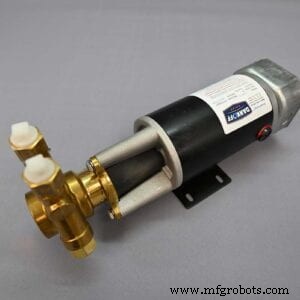
Are Slow pumps better pumps
How a Slow Pump Works
A slow pump is a type of pump that uses a low speed to move water. This type of pump is often used in water treatment plants and other industrial applications where faster pumps are not necessary or possible. A slow pump has several advantages over a fast pump.
First, a slow pump can move more water per hour than a fast pump, which means it can handle more flow. Second, a slow pump is less likely to produce noise. Finally, a slow pump can be smaller and more easily installed than a fast pump.
Benefits of Slow Pumps
Slow pumps are often thought of as being inferior to fast pumps, but this couldn’t be further from the truth. Slow pumps can provide many benefits that make them a better choice for certain patients. Here are some of the main benefits of using slow pumps:
1. Increased patient satisfaction – Patients who use slow pumps are generally more satisfied with their results than those who use fast pumps. This is likely because slow pumps provide consistent, reliable blood flow throughout the entire treatment period, which is important for patients who are anxious about undergoing surgery.
2. Improved safety – Slow pumps are less likely to cause complications than fast pumps. In fact, studies have found that they are even safer than traditional venous access devices (such as central lines). This is due to the fact that slow pumps don’t create large pressures in the veins, which can lead to vein damage and other complications.
3. Reduced surgical time – Slower pump speeds mean that surgery can be completed in a shorter amount of time than with a fast pump. This can be especially helpful for patients who have long treatments periods or those who require multiple surgeries over an extended period of time.
4. Reduced recovery time – Patients who use slow pumps tend to
How to Use a Slow Pump
Slow pumps are great for people with arthritis, carpal tunnel, or other conditions that make it difficult to use a conventional pump. They’re also good for people who just want to save energy.
How do you Compare a Fast Pump to a Slow Pump?
There are pros and cons to choosing a slow or fast pump. In general, a slow pump is better for people with problems with their veins, such as varicose veins or spider veins. Fast pumps can increase the risk of clots, while a slow pump may reduce the risk.
The type of pump also affects how long it will take to infuse the medicine. A fast pump can infusion medications in just 10 minutes, while a slow pump may take up to an hour. So, if you need immediate relief, a fast pump may be your best option. If you have time to wait and don’t mind some extra time spent on the procedure, a slow pump may be more comfortable for you.

Are Slow pumps better pumps
When to Replace a Slow Pump
Are slow pumps better pumps? That depends on your needs. If you’re pumping to induce lactation, a slow pump may be better for you. If you’re pumping to provide milk for your baby, a fast pump is likely to be more efficient. However, if you need to increase milk supply quickly, a fast pump may be the best option.
Why use a Slow Pump?
There are many benefits to using a slow pump over a fast pump when it comes to milk production. A slow pump cycles more times per minute, which helps to increase milk production. This is because the faster a pump cycles, the more milk it produces in one minute. Additionally, slow pumps are typically less noisy than fast pumps, making them easier to work with in a busy barn. Finally, slow pumps tend to use less energy overall, which can be helpful if you’re looking to save on your electricity bill.
How to Make Your Own Slow Pump
Slow pumps are better pumps because they are more efficient. They use less energy to do the same job as a regular pump, which means your water will be stored for longer and it will be easier to filter.
Tips and Tricks for a Slow Pump
When you’re looking to buy a pump, it’s important to consider the speed of the pump. You want a pump that can move large amounts of fluid quickly, but you also want a pump that is slow enough to avoid stressing your baby’s blood vessels.
Here are some tips for choosing the right slow pump for your needs:
-Choose a slow pump if you’re usually on the go and don’t have time to wait for your regular pump to recharge. Many slow pumps can be plugged into an outlet or battery and will work while you’re on the go.
-Choose a slow pump if you’re breastfeeding and want to avoid stressing your baby’s blood vessels. Some slow pumps are designed specifically for breastfeeding mothers and are gentle enough for your baby’s sensitive veins.
-Choose a slow pump if you have smaller breasts and don’t want to waste energy pumping more than necessary. A slow pump will use less energy than a regular pump, so it will last longer before needing to be replaced.
Conclusion
For many years, slow pumps were viewed as the “gold standard” when it came to pumps. But is this still the case? In this article, we will explore whether slow pumps are actually better than fast ones and why. After reading this article, you will have a much better understanding of what makes a good pump and which type of pump might be best for you. So whether you are looking for the perfect pump to improve your appearance or just need an extra boost during your workout, make sure to read our full review before making a purchase.
Are Slow pumps better pumps, please clickhttps://topkitparts.com/ to learn more
Industrial equipment
- Pump Primer: Comprehensive Overview of Pump Types & Their Applications
- Understanding Pumps: Fundamentals and Applications
- Why Color Coding in Vane Pumps Helps Identify Fluid Flow and Temperature
- Noise Levels of Roller Vane Fuel Pumps: What You Need to Know
- Exploring the Two Primary Types of Pumps
- BHP: Global Mining and Energy Leader – Products & Services Overview
- Choosing the Right Pump for Your Irrigation System: A Practical Guide
- Discover the Reliability of Vickers VQA1 Vane Pumps – Trusted Solutions for Fluid Transfer
- The Two Main Types of Hydraulic Pumps Explained
- Directional vs. Non-Directional Hydraulic Pumps: Which Is Right for Your Application