



Why Color Coding in Vane Pumps Helps Identify Fluid Flow and Temperature
Vane pumps are used to circulate fluids in a process or machine, and they rely on the use of different colors to indicate the flow of different liquids. Understanding the reason for this can help you troubleshoot problems with your vane pump.
Some vane pumps use red to indicate a flow of liquids with a high temperature, such as hot oil or gas. This is because red light is seen as being hotter than other colors, and this will help the machine to differentiate between the hot liquid and the surrounding cooler liquids.
Green is often used to indicate a flow of liquids with a low temperature, such as water or milk. This is because green light is seen as being less intense than other colors, and this will help the machine to differentiate between the colder liquid and the surrounding hotter liquid.
What is the purpose of the different colors on a vane pump?
Different colors are used on a vane pump to indicate different operating conditions. Blue indicates an air-fuel mixture is rich, yellow indicates the mixture is lean, and red indicates the mixture is too rich.
Some pumps also have other colors to indicate other conditions. For example, green indicates the pump is in idle mode, and white indicates the pump is off.
Different colors are also used to indicate different stages of the engine cycle. For example, when the engine is cold, the mixture might be rich in blue, while when the engine is operating, the mixture might be lean in yellow and red.
Different colors are also used to indicate different fuel types. For example, a pump that services gasoline might have blue and yellow stripes, while a pump that services diesel might have red and green stripes.
Different colors are also used on oil pumps to indicate the type of oil being pumped. For example, a pump that services diesel might have green and red stripes, while a pump that services gasoline might have blue and yellow stripes.
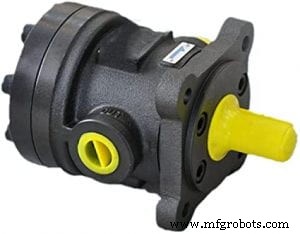
why are diferent colors used in vane pumps
why are diferent colors used in vane pumps?
Different colors are used on vane pumps to indicate the flow direction. Red indicates forward flow, blue indicates backward flow, and green indicates neutral orifice position.
-Red indicates forward flow
-Blue indicates backward flow
-Green indicates neutral orifice position
How can you tell what color your vane pump is by looking at it?
Different colors are used on vane pumps to indicate the specific function of the pump. Red indicates a positive displacement pump, while blue indicates a reverse displacement pump. Yellow indicates a centrifugal pump, and green indicates a rotary vane pump. By looking at the color of your vane pump, you can determine which type of pump it is and what its function is.
Some vane pumps also have markings on them to indicate the specific type of pump. For example, a pump marked “P-1” is a positive displacement pump, while a “R-1” is a reverse displacement pump.
If you’re not sure which color your vane pump is, or if it doesn’t have a color marking, you can usually find information about the pump on the manufacturer’s website.
What is the difference between a glass, plastic, and metal vane pump?
A glass, plastic, and metal vane pump all work by using a fluid to move a piston up and down. However, the way that these pumps create motion is different. A glass vane pump uses a layer of glass between the fluid and the piston, which allows the fluid to move freely over the surface of the glass. A plastic vane pump uses a layer of plastic between the fluid and the piston, which also allows the fluid to move freely over the surface of the plastic. Metal vane pumps use a layer of metal between the fluid and the piston, which provides more stability for moving the piston up and down.
Additionally, a metal vane pump is usually louder than a glass or plastic vane pump, and they can be more difficult to clean.
Overall, a glass, plastic, and metal vane pump all work to move a fluid up and down, but the way they do it (through various types of materials) can vary.
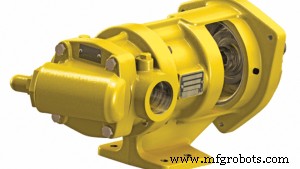
why are diferent colors used in vane pumps
Conclusion
According to the article, “Why Are Diferent Colors Used In Vane Pumps?”, different colors are used in order to identify different types of fluids. This allows operators to accurately control the flow and prevent any accidents.
Different colors are also used to indicate different stages of the engine cycle or engine operation. This can help operators troubleshoot problems or optimize engine performance.
In addition, different colors are used to indicate the type of oil being pumped. This can help operators identify the correct oil for their engine and make sure it is being properly maintained.
To buy a vane pump, please clickhttps://topkitparts.com/ to learn more
Industrial equipment
- Noise Levels of Roller Vane Fuel Pumps: What You Need to Know
- Can Hydraulic Pumps Serve as Motors? A Practical Guide
- Top 3 Pump Designs: Rotary, Piston, and Screw Explained
- Exploring the Two Primary Types of Pumps
- Selecting the Optimal High‑Pressure Hydraulic Pump for Industrial Use
- Are Slow Pumps Better? An Expert Guide to Choosing the Right Garden Pump
- Discover the Reliability of Vickers VQA1 Vane Pumps – Trusted Solutions for Fluid Transfer
- Vickers VH01 Vane Pumps: High‑Viscosity, Low‑Speed Fluid Handling
- Discover the Superior Performance of Vickers VH01 Vane Pumps
- Directional vs. Non-Directional Hydraulic Pumps: Which Is Right for Your Application