



Noise Levels of Roller Vane Fuel Pumps: What You Need to Know
In recent years, there has been a growing interest in using alternative fuel sources in vehicles. For example, many people are looking into using hybrid or electric cars. However, one obstacle that many people face when trying to switch to these alternative fuel sources is the cost of replacing traditional gasoline or diesel engine with a more expensive fuel type.
One such alternative fuel is roller vane fuel pumps. These pumps use a fan to move the fuel around the pump, which reduces the amount of noise that is made. This means that these pumps could be a good option for using in vehicles that need to remain quiet, such as military vehicles or commercial transport.
What is a Roller Vane Fuel Pump?
A roller vane fuel pump is a type of fuel pump that uses the principle of a rotating vane to move fuel from the tank to the engine. The advantage of this type of pump is that it is relatively noise free, making it an ideal choice for engines that are operated in sensitive areas such as airports and hospitals. Roller vane fuel pumps also have a higher fuel efficiency than traditional piston pumps.
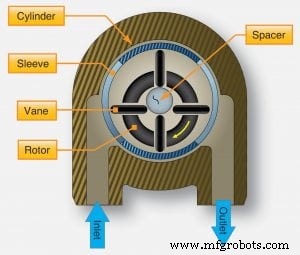
vane fuel pumps
The different types of roller vane fuel pumps
There are three main types of roller vane fuel pumps: positive displacement, indirect displacement, and rotary vane. Each has its own advantages and disadvantages.
Positive displacement pumps use a plunger to move the fuel from the tank to the engine. This type of pump is very noisey because it creates a lot of turbulence in the fuel. Indirect displacement pumps use a series of nozzles that spray the fuel directly into the engine. This type of pump is quieter than positive displacement pumps because there is little turbulence in the fuel. Rotary vane pumps are the quietest type of pump because they use a series of discs to move the fuel instead of a plunger.
How noisy are roller vane fuel pumps?
Roller vane fuel pumps are some of the most noisey pieces of equipment on a boat. Not only do they make a lot of noise, but they also create a lot of vibration. This can be a problem if you’re trying to sleep in your cabin or if you’re trying to keep the noise level down while you’re out cruising.
If you’re looking for a quiet fuel pump, you may want to consider investing in a centrifugal pump. These pumps are much quieter than typical roller vane pumps and they also don’t create as much vibration.
Pros and Cons of using a roller vane fuel pump
A roller vane fuel pump is a popular choice for small engines because it is quiet and efficient. However, the pump can be noisey when running. Here are the pros and cons of using a roller vane fuel pump:
-Quiet operation – Roller vane fuel pumps are some of the quietest types of pumps available.
-Efficient – A roller vane fuel pump can convert a higher percentage of fuel into power than other types of pumps. This makes them especially well-suited for small engines that need to generate a lot of power quickly.
-Versatility – A roller vane fuel pump can be used with a variety of fuels, making it compatible with most engines.- Noise – When a roller vane fuel pump is running, it can generate a lot of noise. This may be unwelcome if you’re trying to operate your engine quietly
– Size – A roller vane fuel pump is larger and more awkward than other types of pumps. This may make it difficult to install if you’re using a small engine.
– Cost – A roller vane fuel pump is more expensive than other types of pumps.
Overall, a roller vane fuel pump is a versatile and efficient choice for small engines. However, it may generate noise when in use, and it can be more expensive than other types of pumps.
How to Fix a Roller Vane Fuel Pump that is Making Loud Noises
If your roller vane fuel pump is making a lot of noise, there might be something that can be done to fix it. Often, the issue can be solved by either replacing the pump or by adjusting the settings on it. In this article, we will discuss how to adjust the settings on a roller vane fuel pump and how to replace it if needed.
First, you will need to determine what is causing the noise. Is it just a few loud noises every once in a while, or are they happening all the time? If it’s only happening occasionally, you can try adjusting the settings on the pump. This can usually be done by turning certain levers or buttons.
If the noise is happening all the time, then it might be time to replace the pump. This can be done by taking it to a mechanic or by doing it yourself. To do it yourself, you will need to disassemble the pump and replace the parts that are causing the noise.
However, if the noise is happening all the time, then replacing the pump may be necessary.
In either case, if the noise is still happening after you have tried adjusting the settings or replaced the pump, then it might be time to take the pump in for repair.
To replace a roller vane fuel pump, you will first need to remove the cover on top of it. Once that is done, you will need to unscrew all of the screws that are holding it in place. Once those are removed, you can then remove the pump from its housing. You will likely also need to disconnect some wires during this process.
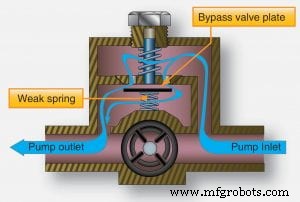
vane fuel pumps
Conclusion
When it comes to fuel pumps, some are much noisier than others. If you’re looking for a fuel pump that will stay put while you’re running your engine, and won’t be too loud to intrude on your peace and quiet, a roller vane fuel pump might be the perfect choice for you. However, if noise is one of your top priorities when choosing a fuel pump, you should definitely take into account both the noise level and the size of the pump before making a purchase.
To buy a vane pump, please click https://topkitparts.com/bosch-rexroth-vane-pumps/ to learn more
Industrial equipment
- Exploring the Varieties of Hydraulic Pumps: Types, Functions, and Applications
- Why Color Coding in Vane Pumps Helps Identify Fluid Flow and Temperature
- Hydraulic Pump Lifespan: Typical Operating Life and Replacement Guidance
- Hydraulic Pump Types Explained: A Complete Guide
- Exploring the Two Primary Types of Pumps
- Choosing the Right Pump for Your Irrigation System: A Practical Guide
- Are Slow Pumps Better? An Expert Guide to Choosing the Right Garden Pump
- Discover the Reliability of Vickers VQA1 Vane Pumps – Trusted Solutions for Fluid Transfer
- Vickers VH01 Vane Pumps: High‑Viscosity, Low‑Speed Fluid Handling
- Directional vs. Non-Directional Hydraulic Pumps: Which Is Right for Your Application