



Factors Influencing Hydraulic Motor Speed: A Comprehensive Guide
When you want to move something with a hydraulic motor, you need to know two things: the speed of the fluid (in meters per second) and the speed of the motor (in meters per second). In this article, we’ll focus on the motor speed and see how it affects the speed of the fluid.
Electric Motor
Electric motors work on the principle of electromagnetic induction. A rotating electric motor is made up of a number of electromagnets, one for each pole. When an electric current passes through the electromagnets, they become magnetized and will rotate around their own axes in opposition to each other. This creates a rotational force that can be harnessed to power an electric motor. The speed of a motor is determined by how much current it can carry and the size of the electromagnets.
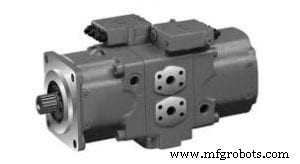
hydraulic motor
Oil Pump or Oil Swashplate
There is a lot of debate on what determines the speed of a hydraulic motor. Some people say that the oil pump determines the speed, while others say that the oil splashplate does. Both theories have some evidence to support them, but neither one is definitively correct.
The oil pump theory is based on the fact that a higher RPM necessitates a higher flow of oil through the pump. This in turn means that the pump will be working harder and therefore, the motor will be going faster.
However, there are several other factors that can also affect the speed of a hydraulic motor. For example, if there is debris in the oil lines or if the motors are damaged, they can’t function as efficiently and this will slow them down. Additionally, temperature can also affect how fast a motor runs – the colder it is, the slower it will go.
Ultimately, it is impossible to determine exactly how fast a hydraulic motor is going without examining it in person. However, by understanding how various factors can affect its speed, you can make sure that it operates at its best possible performance.
The speed of a hydraulic motor
A hydraulic motor is typically faster than a electric motor because the hydraulic fluid can move more quickly. Additionally, a hydraulic motor doesn’t need to turn as many times to achieve the same result as an electric motor.
However, a hydraulic motor can also be less powerful than a electric motor. This is because a hydraulic motor doesn’t have the same amount of power as an electric motor to create torque.
A hydraulic motor works by using pressurized fluid to rotate a shaft. This shaft can then be used to move an object or perform tasks.
The pressurized fluid can come from a reservoir or it can be supplied by the engine. The reservoir is typically filled with oil, water or some other type of fluid.
When the hydraulic motor is powered, the pressurized fluid is forced into the engine. This causes the engine to turn and create torque. The torque causes the shaft to rotate and move the object or perform the task.
Compression of the Oil
A hydraulic motor’s speed is determined by how much compression the oil can withstand before it ruptures. The higher the compression, the faster the motor will operate.
Oil compression is measured in psi (pounds per square inch). The higher the psi, the more pressure the oil can withstand before it ruptures.
The maximum oil compression that a hydraulic motor can withstand is around 3000 psi.
If the oil reaches a certain psi level, it can rupture. This can happen suddenly, causing the motor to stop abruptly. Or it can happen over time, with the oil gradually breaking down and becoming unable to withstand the pressure.
Either way, rupture of the oil can be dangerous and lead to a loss of engine power. So it’s important to keep an eye on your oil pressure and make sure it stays within safe limits.
The Output Torque of the Motor
When you buy a motor, it’s important to know the output torque. Output torque is what allows the motor to do its job, and it’s measured in inch-pounds. The higher the output torque, the faster the motor can move objects.
There are a few things that affect output torque. One is the size of the motor. Larger motors have more output torque than smaller motors. Another factor is how quickly the motor can turn. A fast motor has more output torque than a slow motor.
The final factor that affects output torque is the type of fluid inside the motor. Fluids with low viscosity (a thick liquid) have more output torque than fluids with high viscosity (a thin liquid). This is because a low viscosity fluid can flow through a smaller diameter pipe faster than a high viscosity fluid can.
hydraulic motor displacement
A hydraulic motor can be thought of as a piston in a cylinder. The piston is connected to a rotating shaft, and the cylinder is filled with pressurized fluid. The pressure in the cylinder drives the piston, which in turn rotates the shaft.
The size of the piston determines how fast the motor will spin. A small piston will move around quickly, while a large piston will move more slowly. The speed of the motor also depends on how much fluid is inside the cylinder and how tightly the piston is connected to the shaft.
pressure of the oil in the system
The speed of a hydraulic motor is determined by the pressure of the oil in the system. The higher the pressure, the faster the motor will run.
The amount of pressure needed to run a hydraulic motor depends on the type of motor and the size of the system. Typical pressures for various types of motors can be found on the manufacturer’s website. For systems up to 10,000 lb (4,500 kg), a pressure of 40 psi (275 kPa) is typically used. Systems larger than 10,000 lb (4,500 kg) may require higher pressures, such as 50 psi (340 kPa).
esistance to the load being moved
hydraulic motors are typically rated by the number of pounds of pressure that their cylinders can produce. The higher the pressure, the faster the motor will move the load. However, there are other factors that also play a role in how quickly a motor moves a load, such as shaft size and design, number of gears, and motor construction materials.
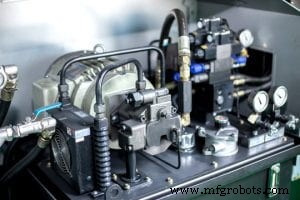
hydraulic motor
Conclusion
In this article, we will explore the different factors that determine the speed of a hydraulic motor. We will start by looking at the flow rate and pressure drop in a hydraulic system. We will then look at the power input and output of a hydraulic motor, and finally discuss how these factors affect the speed of a hydraulic motor. Hopefully, this article has helped you better understand how to calculate the speed of a hydraulic motor.
Industrial equipment
- DC vs. AC Motors: Key Differences and Choosing the Right One for Your Application
- Choosing the Right Motor: Key Differences Between AC and DC Motors
- Control Hydraulic Motor Speed with PWM & Remote Control: A Practical Guide
- Key Factors Determining Hydraulic Motor Speed
- Hydraulic Pump Classifications: Positive vs Negative Displacement Explained
- Choosing the Most Efficient Hydraulic Pump: Expert Guide
- Understanding the Symbol for a Hydraulic Pump: Key Identifiers and Usage
- Understanding the Cost of Hydraulic Pumps: Key Factors & Price Breakdown
- Hydraulic Pump vs Motor: Key Differences Explained
- The Ultimate Guide to Selecting the Best Hydraulic Pump