



Key Factors Determining Hydraulic Motor Speed
Hydraulic motors are used in a variety of industries, including construction, mining, and manufacturing. Understanding the speed of a hydraulic motor can help you optimize its performance and avoid issues such as over-speed or under-speed.
What is a hydraulic motor?
A hydraulic motor is a type of electric motor that uses hydraulic pressure to power the movement of a mechanical object. This is in contrast to an electric motor, which uses electric charges to power the movement of a mechanical object.
There are many factors that determine the speed of a hydraulic motor. The type of fluid that is being used, the size and shape of the object being moved, and the pressure that is being applied to the fluid all play a role.
The Three Main Types of Hydraulic Motors
There are three main types of hydraulic motors: internal combustion, rotary and vane. Each has its own advantages and disadvantages. Let’s take a look at each in more detail.
Internal Combustion Motors
Internal combustion motors are the oldest type of hydraulic motor and are still used today in many applications. They work by burning a fuel inside the motor, which creates a pressure that pushes the piston down the cylinder. This pressure is then used to power the machine.
One downside of internal combustion motors is that they require a lot of fuel to operate. This can be a problem if you don’t have access to an adequate supply, or if the fuel is difficult to get hold of. Additionally, because they use gas as their fuel source, internal combustion motors are not environmentally friendly.
Rotary Motors
Rotary motors work by using a rotating disc to create the pressure needed to move the piston. This disc is usually made out of metal or plastic and is surrounded by a series of bearings that allow it to spin freely. As the disc rotates, it causes the pressure inside the motor to increase. This pressure is then used to power the machine.
One advantage of rotary motors over
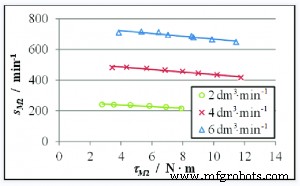
What determines the speed of a hydraulic motor
How does a hydraulic motor work?
A hydraulic motor is powered by a fluid, usually oil or water, that is pumped through its shaft. The fluid is forced through a series of small holes in the rotor, which causes the rotor to spin. The speed of the rotor determines the speed of the motor.
The fluid is also forced through a series of small holes in the stator, which causes the stator to spin. The magnetic fields created by the rotating rotor and stator cause a current to flow through the motor. This current powers the motor, and it continues to turn until the fluid is depleted or the power circuit is shut off.
How does it convert rotary motion into linear movement?
A hydraulic motor is a type of electric motor that uses pressurized fluid to convert rotary motion into linear movement. The fundamental principle behind the operation of a hydraulic motor is that pressurized fluid can be used to overcome the resistance of a rotating mass. This resistance is due to the Magnus effect, which is the tendency of a rotating mass to create a disturbance in an adjacent medium.
The pressurized fluid in a hydraulic motor helps to overcome this resistance by providing a continuous flow of energy. This flow of energy causes the rotating mass to move along a linear path, which in turn results in the creation of mechanical power.
The Rotational Speed of a Hydraulic Motor
A hydraulic motor is a type of electric motor that uses pressurized fluid to power the rotation of an output shaft. The rotational speed of a hydraulic motor can be affected by a number of factors, including the size and shape of the fluid reservoir, the pressure and flow rate of the fluid, and the geometry of the pump impeller.
The rotational speed of a hydraulic motor can be affected by a number of factors, including the size and shape of the fluid reservoir, the pressure and flow rate of the fluid, and the geometry of the pump impeller.
The Speed of a Hydraulic Pump
A hydraulic pump is a device that uses the pressure of water or other fluid to move objects. The speed of a hydraulic pump depends on the type of hydraulic motor used, the fluid being pumped, and the working conditions.
The speed of a hydraulic motor is determined by its rotational speed, shaft power, and bearing capacity. The rotational speed is determined by the gears and bearings that make up the motor. The shaft power is the amount of energy that is put into the motor to make it rotate. The bearing capacity is how much weight the motor can hold before it starts to wear out.
The speed of a hydraulic pump can be affected by many factors, including the size of the motor, the type of fluid being pumped, and the working conditions.
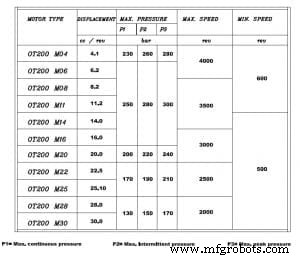
What determines the speed of a hydraulic motor
How do you calculate the speed of a hydraulic motor?
Speed is a function of flow rate, size of the impeller, and the number of revolutions per minute (RPM). If you want to calculate the speed of a hydraulic motor, you need to know: the flow rate (in gallons per minute or liters per minute), the size of the impeller (in inches or millimeters), and the RPM.
To calculate the flow rate, you take the number of gallons or liters that have passed through the motor in a minute and divide it by the number of minutes in a hour. To calculate the size of the impeller, you take the diameter of the impeller in inches or millimeters and multiply it by RPM. Finally, to calculate the speed of the motor, you divide the size of the impeller by the RPM.
Factors that determine speed of a hydraulic motor
There are a number of factors that determine the speed of a hydraulic motor. The most important factors are the type of hydraulic fluid, the size and weight of the object being moved, and the type and design of the cylinder. Other factors that can affect speed include the amount of pressure used, the geometry of the cylinder and gearbox, and the quality of the bearings.
Conclusion
In this article, we will discuss the factors that determine the speed of a hydraulic motor. We will look at the power stroke, torque production, and rotational speed. We will also explore how these factors interact to create the movement of a hydraulic motor.
What determines the speed of a hydraulic motor, please clickhttps://topkitparts.com/ to learn more
Industrial equipment
- DC vs. AC Motors: Key Differences and Choosing the Right One for Your Application
- Choosing the Right Motor: Key Differences Between AC and DC Motors
- Factors Influencing Hydraulic Motor Speed: A Comprehensive Guide
- Control Hydraulic Motor Speed with PWM & Remote Control: A Practical Guide
- Hydraulic Pump Classifications: Positive vs Negative Displacement Explained
- Choosing the Most Efficient Hydraulic Pump: Expert Guide
- Understanding the Symbol for a Hydraulic Pump: Key Identifiers and Usage
- Understanding the Cost of Hydraulic Pumps: Key Factors & Price Breakdown
- Hydraulic Pump vs Motor: Key Differences Explained
- The Ultimate Guide to Selecting the Best Hydraulic Pump