



Control Hydraulic Motor Speed with PWM & Remote Control: A Practical Guide
Hydraulic motors are great for applications that need a high speed and/or a large torque. In this article, we will explore the basics of controlling hydraulic motors using PWM (Pulse Width Modulation) and RC (Remote Control). By the end of this article, you will be able to control the speed of your motor using simple software commands!
What is the Hydraulic Motor?
A hydraulic motor is a type of electric motor that uses hydraulic pressure to produce motion. This type of motor is often used in construction because it can generate a lot of power and be very efficient.
Hydraulic Motors: Pumps, Valves, Drives
If you are in the market for a hydraulic motor, you may be wondering how to control the speed of the unit. In this article, we will discuss how to achieve this goal and provide some tips along the way.
Speed Control Methods
There are a few methods that you can use to adjust the speed of your hydraulic motor. The most common method is to use a pump controller. This device connects between the pump and the motor and allows you to adjust the speed of each component.
Other methods include using valves and drives. Valves allow you to restrict the flow of fluid through a particular route, while drives provide more flexibility in terms of controlling the speed of the motor. Both options have their own benefits and drawbacks, so it is important to choose the right one for your application.
Pump Controllers
Pump controllers are by far the most popular method for controlling the speed of a hydraulic motor. They come in both standalone and integrated forms and are relatively easy to install. Simply connect the controller to your pump and set it up according to your desired settings.
One downside of pump controllers is that they can be quite bulky and difficult to transport. They also tend to be more expensive than
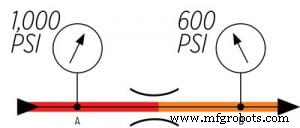
How do you control the speed of a hydraulic motor
Why are hydraulic motors so fast?
One of the advantages of hydraulic motors is that they are very fast. This is because the pistons in a hydraulic motor move very quickly, which allows the motor to produce a lot of power.
How does a Hydraulic Motor work?
A hydraulic motor is a machine that converts energy from an external source, such as a pump or valve, into movement. The energy is stored in the engine’s reservoir, and when the operator pulls on the lever, the energy is released and directed towards the pistons. This creates a physical force which moves the object or fluid being powered.
Optimal Speed Control in Hydraulic Motors
In hydraulic motors, the speed at which the pistons move is controlled by a valve (the governor). The goal of optimal speed control is to maintain a constant speed while maximizing torque output.
There are many factors that can impact the speed of a hydraulic motor, such as the load on the system, temperature, and pressure. To achieve optimal speed control, it is important to understand these factors and how they affect the motor’s performance.
One key factor that influences how fast a hydraulic motor can operate is the load on the system. A heavier load will require more power to move the pistons, and will result in lower speeds. Conversely, lighter loads will require less power, and can result in higher speeds.
Temperature also plays an important role in speed control. If the temperature is high, the fluid may become too hot and start to boil, which would lead to decreased efficiency and increased wear on components. Conversely, if the temperature is low, the fluid may become too cold and cause freezing, which could damage components.
Pressure also plays an important role in speed control. If pressure is high (due to elevated loads), the governor will have more difficulty regulating engine speed
Troubleshooting a Hydraulic Motor Speed Controller
When you have a hydraulic motor, it’s important to keep the speed of the motor consistent. This is done with a speed controller. If you’re not properly controlling the speed of your motor, it could be causing problems. Here are some common problems and how to troubleshoot them:
1. The speed controller isn’t working – Check the connection between the controller and the motor. Make sure that they’re connected securely and that there’s no dirt or debris obstructing the connection. If the connection is good, check to see if the controller is receiving power from the battery. If it’s not, check to see if there’s an electrical outlet nearby that can supply power to the controller.
2. The controller isn’t getting enough power – Check to see if there’s an outlet nearby that can supply power to the speed controller. If there isn’t, make sure that you have enough batteries installed in the motor (at least two). Also, make sure that the voltage of the batteries is high enough (12 or more volts).
3. The motor isn’t turning – Check to see if there’s something blocking the gear train inside of the motor. This could be a piece of debris, a rock,
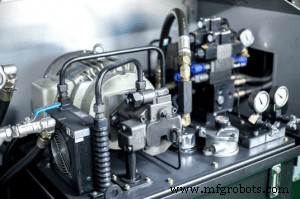
How do you control the speed of a hydraulic motor
How the Speed Controller Works
Speed controllers are devices that help you control the speed of a hydraulic motor. They work by monitoring the speed of the motor and adjusting the power to it accordingly. This helps you maintain a consistent speed, preventing the motor from overspending its energy.
There are two different types of speed controllers: manual and automatic. Manual controllers require you to adjust the power manually, while automatic controllers adjust the power for you based on the RPMs of the motor.
When choosing a speed controller, it is important to consider your needs and preferences. For example, if you want to be able to control the speed of the motor manually, a manual controller would be best for you. On the other hand, if you want an automatic controller that will adjust the power automatically based on RPMs, an electronic speed controller would be best for you.
Conclusion
In this article, we will discuss how to control the speed of a hydraulic motor. By understanding the concepts behind controlling the speed of a hydraulic motor, you will be able to make better decisions when operating your machine. As with all machines, it is important to keep in mind the safety factors when operating a hydraulic motor. By following the concepts discussed in this article, you should be able to operate your machine safely and effectively.
How do you control the speed of a hydraulic motor, please click topkitparts see more
Industrial equipment
- Factors Influencing Hydraulic Motor Speed: A Comprehensive Guide
- Boosting Hydraulic Motor Torque: Proven Techniques & Tips
- Adjusting Hydraulic Cylinder Pressure: A Step‑by‑Step Guide
- How to Adjust Hydraulic Speed for Peak Performance
- Key Factors Determining Hydraulic Motor Speed
- How to Effectively Test a Hydraulic Pump for Optimal Performance
- Reversing a Hydraulic Motor: A Step‑by‑Step Guide
- Calculating Hydraulic Pump Compressor Capacity (CC): A Step‑by‑Step Guide
- Calculating Hydraulic Pump Flow: A Practical Guide to Optimizing Performance
- Sizing Hydraulic Motors and Pumps: A Practical Guide