



Can Hydraulic Pumps Serve as Motors? A Practical Guide
In this article, we will be discussing the difference between hydraulic motors and hydraulic pumps. We will also look at how to use a hydraulic pump as a hydraulic motor.
A hydraulic motor is a machine that uses hydraulic pressure to generate mechanical power. A hydraulic pump is a device that extracts energy from the hydraulic pressure to generate mechanical work.
It is important to note that a hydraulic motor can only be used to generate mechanical power, while a hydraulic pump can be used to both generate and deliver hydraulics.
What is a hydraulic pump?
A hydraulic pump is a device that converts energy from a pressurized fluid to move a piston or wheel. It is most commonly used in engineering and construction to power machines, such as pumps, drills, saws, and bulldozers.
A hydraulic pump is composed of a housing, a pump piston, a seal, and a fluid reservoir. The fluid is pressurized by the engine or other power source and distributed to the pump through a hydraulic hose. The hydraulic piston is moved by the pressure differential between the fluid inside the housing and outside.
The hydraulic pump can be used for a variety of purposes, including moving fluids, lifting objects, and creating pressure. It is an important part of many machines, and is frequently used in construction to build things like roads and dams.
What is a Hydraulic Motor?
A hydraulic motor is a type of electric motor that uses pressurized fluid to produce power. They are used in a variety of applications, including oil and gas production, water pumps, and agricultural equipment.
One of the most common uses for a hydraulic motor is in oil and gas production. The pressurized fluid is used to power various parts of the production process, including drilling, pumping, and extraction. Hydraulic motors are also used in water pumps and agricultural equipment.
There are a variety of types of hydraulic motors, and they all have different specs. Some are designed for uses in water pumps, while others are better suited for oil and gas production. It’s important to choose the right type of motor for your specific application.
One of the biggest benefits of using a hydraulic motor is that it doesn’t require any fuel. This makes them environmentally friendly, and they can be used in applications where fuel is scarce or difficult to find.
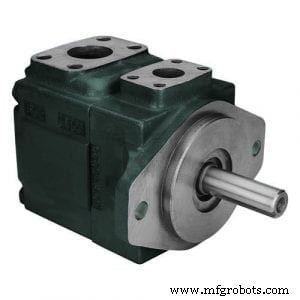
Can hydraulic pumps be used as hydraulic motors justify
How a Hydraulic Motor Works
A hydraulic pump is a device that uses pressurized water or oil to power a rotating shaft. They are most commonly used in industrial and commercial applications, such as wastewater treatment plants, grain mills, and printing presses.
Hydraulic motors work by using the pressure of the liquid to rotate the shaft. The impeller on the pump works like a fan, moving the liquid through the pump faster than it can escape. This high speed flow causes the pressure inside the pump to increase, which in turn rotates the shaft.
The first hydraulic motors were built in 1795 by Christian Huygens. Today, they are used in a wide variety of applications thanks to their reliability and efficiency.
Pros and Cons of Using a Hydraulic Pump as a Motor
A hydraulic pump can be a powerful engine for hydraulic motors, but there are some cons to consider before using one in your project. Here are the pros and cons of using a hydraulic pump as a motor:
Pros of using a hydraulic pump as a motor:
-Pumps are efficient engines, so they use less fuel than other types of motors.
-Hydraulic pumps are very reliable, so you can count on them to work even under harsh conditions.
-Pumps can produce high levels of power, making them good candidates for larger applications.
-Pumps are relatively easy to install and maintain, making them a good option for small projects.
Cons of using a hydraulic pump as a motor:
-Pumps require more maintenance than other types of motors. They may need to be oiled regularly, and they can be prone to damage if not properly cared for.
-Pumps don’t work well in cold weather environments, so they’re not ideal for applications that require low temperatures.
What are the benefits of using a hydraulic motor vs. a hydraulic pump?
There are a few benefits to using a hydraulic motor over a hydraulic pump. First, a hydraulic motor is more efficient because it uses more energy to move the same amount of fluid. Second, a hydraulic motor can be quieter since it doesn’t consume as much power. Finally, a hydraulic motor is less likely to cause damage if it fails.
On the other hand, a hydraulic pump can be more versatile since it can be used to move a variety of fluids. Additionally, a hydraulic pump can be used in places where a motor is not allowed, such as inside tight spaces.
How does a hydraulic motor work and are there any alternatives?
A hydraulic motor is a type of electric motor that uses hydraulic pressure to power the movement of its rotor. While hydraulic motors are most commonly found in industrial applications, there are also alternatives to using a hydraulic motor for electric motors.
One alternative is to use an electromagnetic clutch or actuator. While this option may be more expensive than using a hydraulic motor, it does have the advantage of being able to operate in a wider range of applications. Additionally, electromagnetic clutches and actuators typically have a longer lifespan than traditional hydraulic motors.
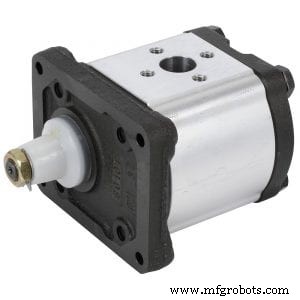
Can hydraulic pumps be used as hydraulic motors justify
Background of the hydraulic pump and how it was used in the past History of hydraulic motors
A hydraulic pump is a machine that uses pressurized fluid to move objects. Hydraulic pumps were first used in the 1700s, and they are still used today in a variety of applications.
The history of hydraulic motors dates back to the 1700s. In 1769, Englishman James Watt developed the first steam engine, which used water pressure to power its pistons. Watt’s engine was based on the work of French engineer Nicholas-Jacques Conte.
One of the earliest applications of a hydraulic pump was in printing presses. Pressurized water was used to move the type blocks and hammers. Today, hydraulic pumps are used in a variety of industries, including mining, construction, agriculture, and manufacturing.
Conclusion
Yes, you can use a hydraulic pump as a hydraulic motor. Hydraulic pumps are designed to move large amounts of fluid, and they make an excellent choice for powering industrial machines and applications that require high levels of torque or RPMs. They also offer better performance than electric motors in some cases, making them an ideal option for certain applications.
Can hydraulic pumps be used as hydraulic motors justify, please click topkitparts see more
Industrial equipment
- Top 5 Causes of Hydraulic Pump Failures and Prevention Tips
- Hydraulic Pump Lifespan: Typical Operating Life and Replacement Guidance
- Can a Hydraulic Pump Function as a Hydraulic Motor? Understanding the Differences and Practical Applications
- Running a Hydraulic Pump with an Electric Motor: How and Why It Works
- Rebuilding Hydraulic Pumps: A DIY Step-by-Step Guide
- Reduce Hydraulic Pump Noise: Proven Tips & Solutions
- Do You Need to Prime Your Hydraulic Pumps? Essential Guide
- Selecting the Optimal High‑Pressure Hydraulic Pump for Industrial Use
- Do Hydraulic Pumps Lose Power Over Time? A Professional Guide to Their Lifespan
- Using a DC Motor as a Pump: Practical Tips & Requirements