



How Variable Frequency Drives (VFDs) Enhance Pump Performance
In this article, we will be discussing what a VFD is, and how it works on a pump. We will also look at some of the benefits that this type of device has to offer, and how they can be used in various industrial applications.
What is a VFD?
A VFD (variable frequency drive) is a type of electrical power converter that can be used to convert AC power into DC power. This is useful in applications where an AC power source is unavailable, or where the DC power needs to be converted into something more suitable for use in an industrial setting.
VFDs are often found on pumps, as they are able to provide a stable and consistent output voltage. This means that they are ideal for applications such as water pumping, waste water treatment, and air conditioning. They can also be used in other industrial settings, such as machine tool operations and printing processes.
Some of the benefits of using a VFD on a pump include:
Stable output voltage – Unlike some other types of converters, VFDs are able to maintain a consistent output voltage. This means that there is no risk of sudden changes in voltage, which can lead to instability and noise issues.
– Unlike some other types of converters, VFDs are able to maintain a consistent output voltage. This means that there is no risk of sudden changes in voltage, which can lead to instability and noise issues. Reduced energy consumption – thanks to their
What is a VFD?
A VFD (variable frequency drive) is a type of electric motor that uses a vari-speed fan to provide power to pumps. The vari-speed fan works by using a set of gears to change the amount of air flow through the fan at different speeds. This allows the pump to operate at different speeds, which helps it move more water quickly.
A VFD can help pumps run more efficiently and can help them move more water quickly. By using a vari-speed fan, a VFD can help pump motors run at different speeds, which helps them move more water quickly.
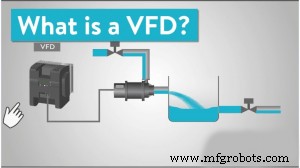
What does a VFD do on a pump
How does a VFD work on a pump?
A VFD is a type of motor that uses rotating blades to generate electricity. This motor is used on pumps to create power and circulate water.
The blades on the VFD rotate as the motor spins. This action creates electricity that is used to power the pump.
The VFD is mounted on the pump shaft and the rotating blades create a current of water. This current of water moves the pump solution forward.
The VFD is usually controlled by a controller that determines the amount of electricity generated and sent to the pump.
How to know if the pump has a VFD on it already
A VFD is a type of pump that uses a rotating magnet to create electricity, which is then used to power the pump’s motor. This technology can be found on many types of pumps, including ones used for water, air, and oil. When you first buy your pump, or if it’s been replaced in the past few years, you should check to see if it has a VFD. If it does, you can skip the rest of this article and go straight to how to use the VFD.
If your pump doesn’t have a VFD, or if you want to know more about using one on your pump, read on! In this article, we’ll explain what a VFD does and how to use it on your pump.
How a VFD Works
A VFD works by using a rotating magnet to create electricity. This electricity is then used to power the pump’s motor. The advantage of using a VFD is that it eliminates the need for an external power source (like an electrician). This means that your pump can be placed anywhere you want (as long as there is an outlet), and it
What to do when a VFD is not working or is damaged
When your pump fails, the first thing to do is to determine if the VFD is the issue. A VFD typically consists of a motor, an inverter, and a control panel. If one or more of these components are not working, the pump will not operate. This can be determined by checking the power output on the control panel and/or by checking for continuity between the motor and inverter on the circuit board. If one or more of these components are not working, then the VFD may need to be replaced.
What are the benefits of using a VFD on my pump?
A VFD is a type of switch that helps to reduce energy use. On a pump, this can mean big savings in both electricity and operating costs. Here are a few reasons why you might want to consider installing a VFD on your pump:
-Reduced energy use means reduced costs.
-A VFD can help extend the life of your pump by limiting the amount of time it spends running.
-A VFD can help your pump run more smoothly and quietly, making it easier to operate.
What does a VFD do on a pump?
A VFD (ventedFueledDrive) is a type of electric motor that uses gas or oil to turn a shaft. They are used on pumps, compressors, and other industrial equipment to increase efficiency and reduce noise.
The VFD is usually mounted on the pump shaft, and it uses a fan to create a flow of air. This flow of air circulates the fuel around the motor, which helps to power the pump. The VFD also helps to reduce noise levels by moving the fuel around the motor.
What are some benefits of using a VFD on my pump?
Some benefits of using a VFD on your pump include:
-Increased efficiency.
-Reduced noise levels.
-Easier and quicker installation.
-Lower operating costs.
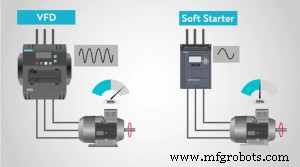
What does a VFD do on a pump
Do I have to have a VFD on my pump?
Yes, a VFD is required on pumps that discharge over 1,000 gallons per minute. A VFD uses sensors to detect when the pump is running too fast or too slow and automatically adjusts the speed of the pump in order to maintain a set flow rate. This can help to prevent damage to the pump and increase efficiency.
If you do not have a VFD, your pump may operate at a faster or slower rate than necessary, potentially damaging it over time. A VFD also allows you to set specific flow rates for different applications, which can be helpful in optimizing performance.
When should you replace a VFD?
A VFD (variable frequency drive) is a type of electric motor that uses a gearbox to change the speed of the electric motor according to the needs of the pump. A VFD can last up to 10,000 hours and helps conserve energy by using variable speed rather than fixed speed. Most pumps have a VFD, but they should be replaced every 10,000 hours or when they start making unusual noises.
Conclusion
A VFD (variable frequency drive) is a power conversion device found on pumps. It converts AC to DC power so that the pump can run. A VFD can also be used to regulate the speed of a pump by changing the voltage going into it.
Benefits of using a VFD on pumps include increased efficiency, reduced noise levels, and easier installation. A VFD should be replaced every 10,000 hours or when it starts making unusual noises.
What does a VFD do on a pump, please clickhttps://topkitparts.com/ to learn more
Industrial equipment
- Millwrights: Key Roles, Responsibilities, and Their Value in Canada
- The Role of a Rigger: Key Responsibilities & Skills
- Understanding Jockey Pumps: Essential Pressure Maintenance for Fire Sprinkler Systems
- Turbine Pumps Explained: Design, Operation, and Applications
- Understanding Hand Pumps: How They Work and Their Uses
- Understanding Multistage Pumps: Function, Uses, and Benefits
- Understanding Submersible Pumps: How They Work and Their Key Benefits
- What Is a 3-Stage Pump? A Comprehensive Guide
- Understanding 1-Stage Pumps: Design, Function, and Industrial Applications
- Decoding 'N' in Pump Calculations: Its Role and Significance