



Why Hydraulics Run Slow: Common Causes and Practical Solutions
Hydraulics are a key part of many machines, and as such, they need to run smoothly in order to operate properly. However, sometimes hydraulics can run slowly for reasons that are difficult to understand. In this article, we’ll explore some of the most common causes of hydraulics running slow and what you can do to fix them.
One common cause of hydraulics running slowly is if the fluid is not being circulated correctly.If the fluid isn’t being circulated properly, it can build up in certain areas and cause the hydraulics to run slower. In order to fix this problem, you’ll need to identify where the buildup is occurring and fix it.
Another common cause of hydraulics running slowly is if the pumps are not operating at their full potential. If the pumps aren’t operating at their full potential, they won’t be able to move as much fluid as they should. In order to fix this problem, you’ll need to upgrade or replace the pumps.
Finally, another common cause of hydraulics running slowly is if there is debris in the system. If there is debris in the system, it can block the pumps and prevent them from working properly. In order to fix this problem, you’ll need to clean out the system or replace the pumps if necessary.
What is hydraulics?
Hydraulics is the use of fluids to move objects. Hydraulics can be used in many different ways, including in automobiles, aircrafts, and boats. Hydraulic systems involve a number of individual components that work together to allow the machine to move. Slow hydraulic systems can be caused by a number of different issues. Some common causes are leaks, worn or faulty parts, and contamination. If you notice that your hydraulic system is running slowly, it may be time to take action to address the issue.
If your hydraulic system is failing, you may experience a number of different problems. For example, if the system fails to supply enough pressure to operate a machine, you may experience poor performance or even failure. In addition, if the system becomes contaminated, it can cause damage to other components of the machine. If you notice any of these signs, it may be time to take action and have your hydraulic system checked.
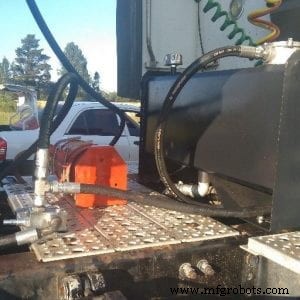
What causes hydraulics to run slow
The symptoms of Hydraulics running slowly
There are a few different things that can slow down hydraulics in an engine. One issue is air pressure. When the air pressure in the engine decreases, it can cause the valves to close more slowly and reduce the flow of hydraulic fluid. Another problem is debris in the system. This can block passages or cause excessive friction, which can slow down the hydraulic flow. Finally, worn or damaged parts can also affect hydraulics performance.
If you notice any of these issues affecting your engine’s hydraulics, it’s important to take action and fix the problem as soon as possible. This will help ensure that the engine remains operable and able to function properly.
What are the causes of hydraulics running slow?
One potential cause of hydraulics running slow is a clog in the system. Other causes may include worn or damaged components, blockages, or low pressure. In any case, if you are experiencing sluggish hydraulic performance, it is important to identify and address the underlying issue.
Why is the fluid inside a hydraulic system important?
The fluid inside a hydraulic system is important because it helps to move the pistons and valves. The fluid is also responsible for lubricating the equipment, which helps reduce the chances of mechanical failure.
What is the difference between hydraulic and pneumatic systems?
Hydraulic systems are more sophisticated than pneumatic systems. Hydraulic systems use pressure to move the pistons and valves, while pneumatic systems use air pressure to move the pistons and valves.
What are the benefits of using a hydraulic system?
The benefits of using a hydraulic system include:
-Sophisticated design: Hydraulic systems are more sophisticated than pneumatic systems, which allows for greater flexibility and control.
-Greater reliability: Hydraulic systems are more reliable than pneumatic systems, which is due in part to their greater sophistication.
-Lubrication: The fluid inside a hydraulic system helps to reduce the chances of mechanical failure.
What causes low hydraulic flow in a machine or system?
There are a number of potential causes for low hydraulic flow in a machine or system. In many cases, the problem can be traced back to inadequate lubrication or contamination of the hydraulic system. If the problem is caused by faulty equipment, then it may require repair or replacement. Other causes of low hydraulic flow can include:
-A clogged or blocked filter
-Damaged hoses or fittings
-A blockage in the piping system-A broken or defective pump
How can you troubleshoot hydraulics issues?
There are a number of potential causes of hydraulics running slow, and here we’ll go over some of the most common ones. If you’re experiencing a problem with your hydraulic system, it’s worth trying to troubleshoot it before calling for help.
1. Dirty or Corrosive Hydraulicfluid
One of the first things you should check if your hydraulics are running slow is the quality of your hydraulic fluid. If it’s dirty or corrosive, it will significantly reduce the performance of your system. Clean and replace your hydraulic fluid as needed to keep your system running smoothly.
2. Damaged Hoses or Fittings
Another common cause of hydraulics running slowly is if there are any damaged hose or fittings. If a hose bursts or a fitting becomes loose, it can cause significant drag on the system. Inspect all hoses and fittings for damage and replace as necessary to keep your hydraulics running at their optimal performance.
3. Low Engine Oil Levels
If your engine is not getting enough oil to run properly, your hydraulics may suffer as a result. Check the level of oil in your engine and top it off as needed to ensure proper lubrication for your system. If you still experience issues, consider replacing your oil pump or filter.
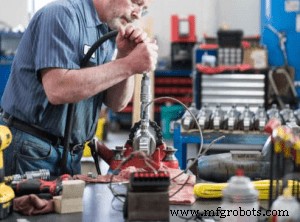
What causes hydraulics to run slow
How to avoid premature hydraulic failure
Hydraulic systems can be susceptible to premature failure due to a variety of factors. Improper operation and maintenance can lead to decreased efficiency and increased wear on components, which can eventually cause failure. Here are some tips to keep your hydraulic system running smoothly:
Regularly check fluid levels and add or replace as necessary. Overflowing fluids can cause damage and decreased performance; underfilling can result in lost pressure and reduced function.
Clean and inspect all components regularly for signs of wear or damage. This includes seals, hoses, pump casings, and more. If necessary, replace any parts that show significant wear.
Inspect connections and fittings for leaks. Repair as needed. Leaks can cause fluid degradation, reduced pressure, and even failure.
Maintain proper filtration to prevent contamination and build-up. This includes ensuring all hoses are properly sealed at the connection point, checking filters every time they are replaced or cleaned, and keeping lines clear of debris.
Conclusion
Hydraulics can run slow for a variety of reasons. If you’re not sure what might be causing the issue, it’s best to consult with a hydraulic engineer in order to get your machine back up and running as quickly as possible. In the meantime, some simple tips that may help include checking fluid levels, cleaning all parts of the pump and engine thoroughly, and replacing worn or damaged parts.
What causes hydraulics to run slow, please clickhttps://topkitparts.com/ to learn more
Industrial equipment
- Top Causes of Hydraulic System Failure and How to Detect and Resolve Them
- Key Factors Influencing Oil Performance in Hydraulic Systems
- Hydraulic Systems Explained: Fundamentals and Real-World Applications
- Key Causes of Hydraulic Hose Failure: Prevention Tips
- Common Causes of Hydraulic Pump Pressure Loss and How to Fix Them
- Top Causes of Hydraulic System Failures and How to Prevent Them
- Why Hydraulics Run Slow: Common Causes and Practical Solutions
- Top 4 Causes of Hydraulic System Failure – How to Identify and Prevent Them
- Understanding Hydraulic Pump Cavitation: Causes and Prevention
- Understanding Hydraulic Pump Whine: Causes & Solutions