



Biodegradable Plastics: Benefits, Challenges, and the Path Forward
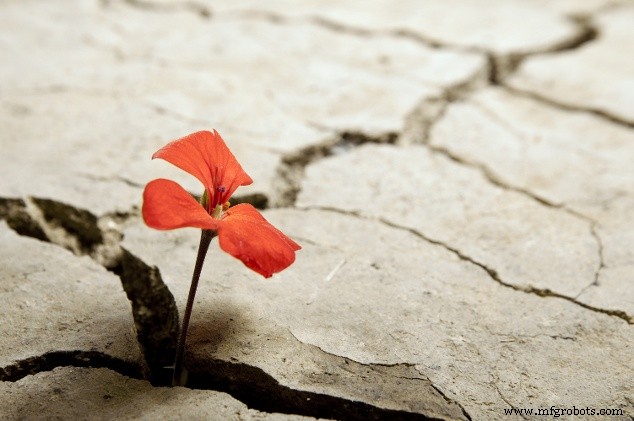 Biodegradable plastics are gaining traction as a cleaner alternative to conventional polyethylene, polypropylene, and other petroleum‑derived materials that overwhelm landfills and harm ecosystems. While current commercial grades are still evolving, they offer a markedly faster decomposition time—typically three to six months versus the centuries required for traditional plastics—making them a promising tool for reducing plastic waste.
Lower Petroleum Consumption
Petroleum is a key raw material for conventional plastics, and its extraction and refining generate significant environmental footprints. According to Green Energy News, biodegradable plastics are derived from renewable sources such as corn, hemp, and even chicken feathers, eliminating the reliance on fossil fuels. The term “biodegradable” often overlaps with “bioplastic” (made partially from organic materials), but not all bioplastics are biodegradable. While the shift to natural feedstocks is attractive, it also presents challenges—higher production costs, limited performance properties, and the ecological impact of cultivating feedstock crops.
Cleaner Urban & Rural Environments
Petroleum‑based plastics persist in communities, creating visual clutter and health risks, especially where recycling systems are inadequate. In the United States, the average consumer discards about 185 lb of plastic annually, with roughly 50 % of that material being single‑use items. Even if biodegradable, the effectiveness of these materials depends on proper waste‑management infrastructure. Thus, the transition to biodegradable plastics should be paired with improved collection, sorting, and composting programs.
Smaller Landfills
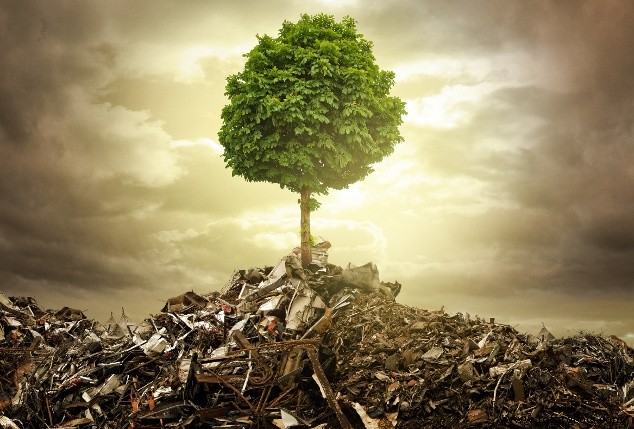 Reducing the volume of non‑degradable plastic in landfills is a clear environmental benefit. Biodegradable plastics break down into harmless compounds over months, preventing the release of toxic leachates that can contaminate soil and groundwater. In contrast, the slow degradation of conventional plastics can produce microplastics and hazardous by‑products that persist in the environment for centuries.
Higher Plastic Exports
Developing biodegradable plastics requires specialized expertise and capital‑intensive equipment, which can be a barrier for firms in emerging economies. However, companies capable of producing high‑quality bioplastics can tap global markets, driving economic growth while simultaneously reducing their environmental footprint. Exporting advanced biodegradable products aligns business interests with sustainability goals.
Better Business Practices
Adopting biodegradable plastics signals a company’s commitment to sustainability—a factor increasingly valued by consumers and investors alike. Brands such as Poland Spring and Coca‑Cola have already introduced bioplastic packaging to lower material use and improve brand perception. While not a panacea, these initiatives can enhance corporate reputation, attract eco‑conscious customers, and potentially increase market share.
Biodegradable plastics are not a perfect solution, but they represent a meaningful step toward a more sustainable manufacturing paradigm. By reducing dependence on oil and expanding the range of eco‑friendly materials, they offer tangible benefits for manufacturers worldwide.
Questions? Comments? Let us know in the comments section below.
Interested in learning more about how plastics are made? Download our free glossary!

Resin
- Die Casting: Advantages, Challenges, and Key Insights for Manufacturers
- Carbon Fiber Rings: Advantages, Disadvantages, and Why They’re a Smart Choice for Modern Jewelry
- Ladder Logic 102: Benefits, Drawbacks, and When to Use It
- Choosing the Best Sealant: Polyurethane, Silicone, or Rubber? A Clear Guide
- Should You Coat Your Pump? Weighing the Benefits and Drawbacks
- Technology in Manufacturing: Benefits, Challenges, and Future Outlook
- Corrective Maintenance: Pros, Cons, and How It Impacts Your Business
- Cylindrical Grinding Machines: Comprehensive Guide to Advantages and Disadvantages
- The Complete Guide to Plastic Processing and Fabrication
- Tower Cranes: Key Advantages, Limitations, and Best Practices