



Stainless Steel Handles: Advantages, Disadvantages, and Expert Insights
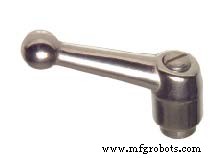
Stainless steel is a staple material for a wide range of handles—from ball and pull handles to adjustable and crank models. Its popularity stems from a mix of functional benefits and visual appeal. Below, we break down the key strengths and potential drawbacks of stainless steel handles.
Pros
Exceptional Corrosion Resistance
Stainless steel’s alloy composition—iron with chromium (and sometimes nickel)—creates a passive oxide layer that shields the metal from rust, even in humid environments. This durability makes it ideal for outdoor or high‑moisture applications.
Timeless Aesthetics
Unlike many plastic or matte finishes, stainless steel offers a consistently bright, reflective surface. This polished look enhances the overall design of cabinetry, appliances, and equipment, delivering a professional appearance.
Nonmagnetic Properties
Most stainless steel grades are nonmagnetic, preventing interference with magnetic fields or electronic devices. This makes them suitable for use in medical equipment, precision machinery, and other sensitive contexts.
Cons
Higher Purchase Cost
While not prohibitively expensive, stainless steel handles typically command a premium over plastic or composite alternatives. The added cost reflects the material’s durability and performance.
Increased Weight
Due to its density, stainless steel is heavier than many other handle materials. For applications where lightness is critical—such as portable tools or high‑speed equipment—lighter alternatives may be preferable.
In summary, stainless steel handles combine corrosion resistance, a sleek appearance, and nonmagnetic benefits. However, their cost and weight can be limiting factors. Assessing your specific application will help determine whether stainless steel is the right choice for you.
Industrial equipment
- Advantages and Drawbacks of Metal Pickling: A Comprehensive Overview
- Die Casting: Advantages, Challenges, and Key Insights for Manufacturers
- Lost‑Foam Casting: Benefits, Drawbacks, and When to Use It
- Benefits and Drawbacks of Single‑Pass Boring in Manufacturing
- Cold‑Forming Metalworking: Advantages, Drawbacks, and Key Insights
- Stainless Steel Explained: Composition, Production, and Global Impact
- Oxy‑Fuel Cutting Explained: Process, Advantages, and Disadvantages
- Stainless Steel Production: From Mill to Finished Product
- Stainless Steel Grades: Types, Properties & Common Uses
- CO2 Laser vs. Fiber Laser: Which Technology Delivers the Best Performance?