



Compression Molding: Process, Benefits, and Applications for Rubber Parts
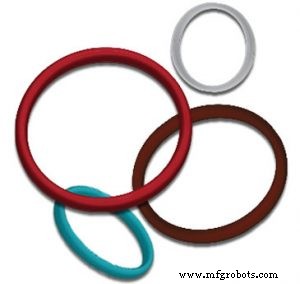
In the world of elastomer manufacturing, compression molding stands out as a versatile method for producing a wide range of rubber and silicone components—from o‑rings and plugs to grommets and bumpers. By leveraging heat and pressure, this process molds raw material into precise, high‑quality parts that meet rigorous performance standards.
What Is Compression Molding?
Compression molding is a manufacturing technique that shapes rubber, silicone, and other thermoplastic elastomers by placing a pre‑measured quantity of material into a closed mold cavity. The mold is then sealed, heated, and pressed, forcing the material to expand and conform exactly to the cavity’s geometry. Once cooled, the part solidifies and is released, ready for inspection or assembly.
How Compression Molding Works
The procedure begins with an empty, pre‑heated mold cavity. A calibrated amount of raw rubber is poured or packed into the cavity, after which a removable plug is affixed to the top. The plug is connected to a hydraulic or pneumatic system that simultaneously applies temperature and pressure.
During the cycle, the heat softens the elastomer, while the applied pressure compacts it, ensuring complete fill of the cavity and eliminating voids. After the material fully expands, the system allows the part to cure at the set temperature for a specified dwell time. Cooling then restores the material’s mechanical properties, enabling the part to be ejected cleanly.
Benefits of Compression‑Molded Parts
Compression‑molded components offer several key advantages:
- Durability and resistance – Rubber parts can withstand harsh chemicals, oils, and extreme temperatures without degradation.
- Precision and repeatability – The closed‑mold system delivers tight tolerances, ideal for seals and high‑performance applications.
- Cost‑effectiveness – The process requires minimal tooling and rapid cycle times, reducing manufacturing costs for both low‑ and high‑volume runs.
- Versatility – It accommodates complex shapes, integrated features, and a wide range of elastomer grades.
Because of these strengths, compression molding is the preferred choice for industries such as automotive, aerospace, medical, and consumer goods when high‑quality, reliable rubber parts are essential.
In summary, compression molding transforms raw rubber into precision parts through controlled heating, pressurization, and curing—making it an indispensable technique in modern elastomer production.
Industrial equipment
- What Is a Toggle Press? How It Works and Why It Matters
- Demagnetizers Explained: How They Add or Remove Magnetism from Tools
- Abrasive Jet Machining: How It Works, Benefits, and Practical Applications
- Understanding Gate Hinges: Types, Functions, and How to Choose the Right One
- Transfer Molding Explained: Process, Benefits, and Variants
- What Is a Solar Inverter? How It Converts Solar Power into Usable Electricity
- Engine Braking Explained: How It Works and Why It Matters
- Understanding Vehicle Transmissions: Types, Functions, and How They Operate
- Understanding Industrial Clutches: Definition, Function, and Applications
- Understanding Welding: Processes, Techniques, and Industrial Applications