



Benefits and Drawbacks of Single‑Pass Boring in Manufacturing
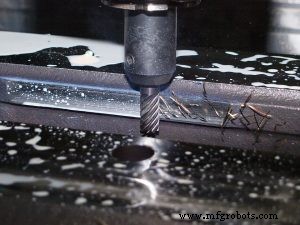
Single‑pass boring is a specialized machining technique that enlarges pre‑existing holes using a diamond‑tipped cutting tool. Unlike traditional drilling, the tool passes through the hole only once, providing a smooth, high‑quality finish with minimal tool wear.
Manufacturers typically perform this operation on a CNC milling machine or a dedicated bore‑finishing unit. The workpiece is clamped securely, and a rotating diamond‑tipped bit removes material precisely along the desired radius.
Benefits of Single‑Pass Boring
- Exceptional Tool Life – Diamond tips retain sharpness for years, eliminating the need for frequent replacements that plague conventional boring tools.
- Speed and Efficiency – A single pass reduces machining time and improves throughput compared to multi‑pass methods.
- Material Versatility – Works effectively on steel, aluminum, chrome‑plated surfaces, ceramics, and high‑performance plastics.
- Surface Quality – Produces a smooth finish with minimal vibration, reducing the need for secondary polishing.
Limitations of Single‑Pass Boring
- Blind‑Hole Constraints – The tapered design of standard diamond bits can prevent full penetration in blind holes. Specialized non‑tapered bits are required for such applications.
- Tool Geometry Restrictions – The single‑pass approach is best suited for straight, non‑cylindrical holes; complex geometries may demand additional machining steps.
Choosing the Right Process
When evaluating a machining strategy, consider the part material, hole depth, and required surface finish. For high‑volume production where tool durability and speed are critical, single‑pass boring is an excellent choice. However, for deep, blind holes or highly intricate geometries, a multi‑pass or hybrid approach may deliver superior results.
Conclusion
Single‑pass boring offers a reliable, cost‑effective solution for enlarging holes across a wide range of materials. Its diamond‑tipped tools deliver longevity and precision, but users must account for blind‑hole limitations and geometry constraints.
Industrial equipment
- Stainless Steel Handles: Advantages, Disadvantages, and Expert Insights
- Advantages and Drawbacks of Metal Pickling: A Comprehensive Overview
- Die Casting: Advantages, Challenges, and Key Insights for Manufacturers
- Lost‑Foam Casting: Benefits, Drawbacks, and When to Use It
- Cold‑Forming Metalworking: Advantages, Drawbacks, and Key Insights
- CO2 Laser vs. Fiber Laser: Which Technology Delivers the Best Performance?
- Electrochemical Cutting: Pros and Cons
- Abrasive Cutting: Pros & Cons for Precision Metal Cutting
- Pros and Cons of Waterjet Cutting for 2-Axis Metal Parts
- Wire EDM Cutting: Benefits, Drawbacks, and Best Uses