



Compression vs. Cast Molding: Advantages, Disadvantages, and Cost Considerations
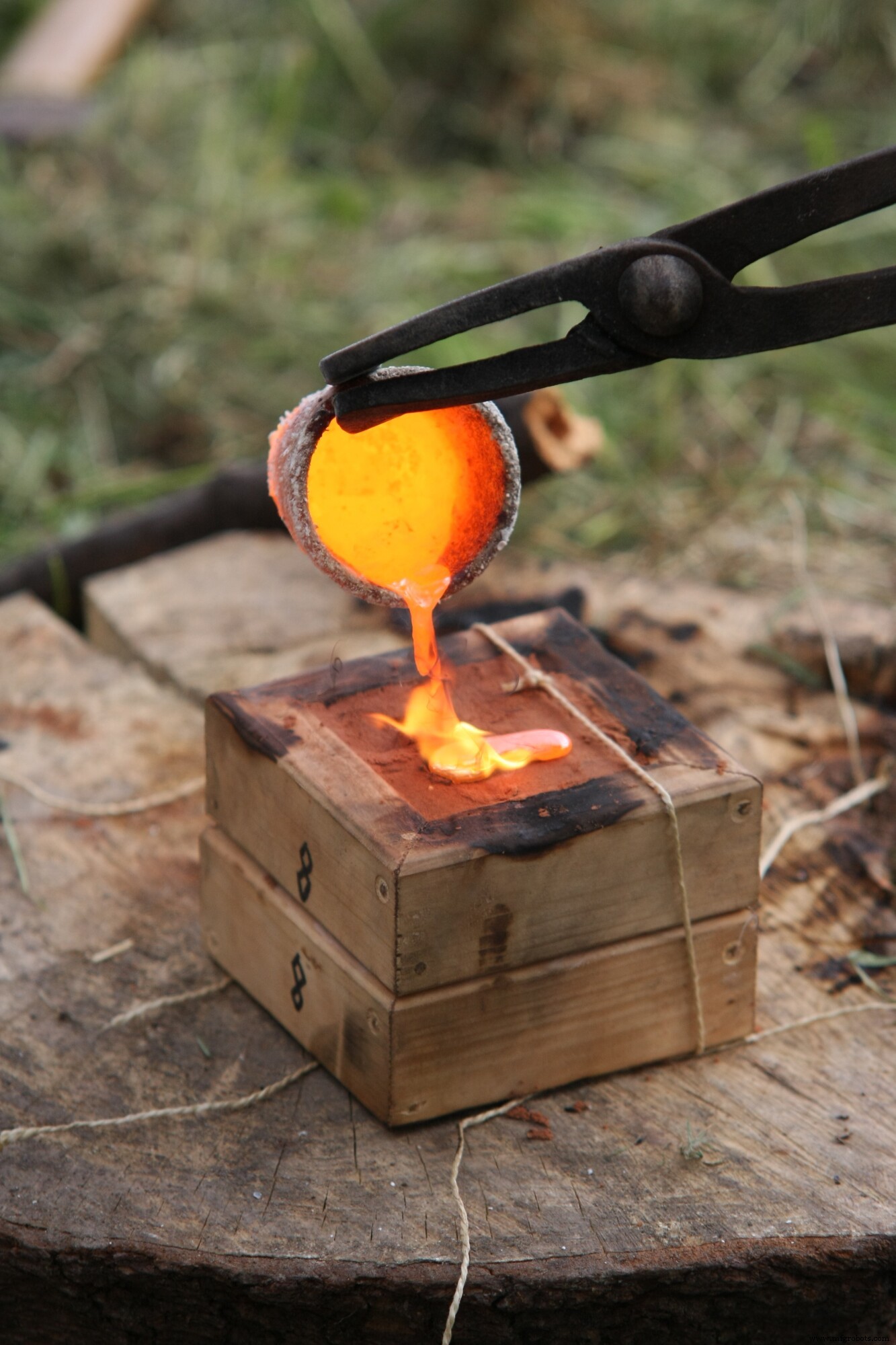
Compression molding and cast molding—often compared to injection molding—are cornerstone techniques in composite manufacturing. Choosing the right process depends on volume, part complexity, and cost objectives.
Shared Advantages of Compression and Cast Molding
Both techniques share low tooling costs and economies of scale. Once a mold is created, repetitive use drives down the unit cost, especially for high‑volume runs.
Compression Molding: Key Benefits
Compression molding excels for large‑volume production of parts with simple geometry. It allows a wide range of wall thicknesses—from 1.3 mm to an inch—making it suitable for everything from lightweight panels to robust structural components.
Compression Molding: Limitations
Because the pre‑shaped resin is compressed into the mold, the resulting part is limited to blocky shapes. Excess material must be trimmed manually, increasing labor and reducing automation potential.
Cast Molding: Key Benefits
Cast molding offers full automation, yielding fast cycle times and minimal labor. The process supports complex, high‑tolerance features and varying wall thicknesses, producing strong, high‑quality parts. Its low waste profile also aligns with sustainability goals.
Cast Molding: Limitations
High‑pressure, high‑temperature casting demands robust metal molds, driving up tooling costs. The technology becomes cost‑effective only at substantial production volumes.
Make an Informed Decision
Understanding the nuances of each process enables you to partner with a manufacturer who can deliver superior composite parts, whether they’re carbon‑fiber‑reinforced or other advanced materials.
Which technology will best serve your next project? Our team’s extensive experience spans from small, intricate prototypes to full‑scale production runs. Request a quote today and let us turn your vision into reality.
fiber
- Stainless Steel Handles: Advantages, Disadvantages, and Expert Insights
- Advantages and Drawbacks of Metal Pickling: A Comprehensive Overview
- Die Casting: Advantages, Challenges, and Key Insights for Manufacturers
- Lost‑Foam Casting: Benefits, Drawbacks, and When to Use It
- Benefits and Drawbacks of Single‑Pass Boring in Manufacturing
- Cold‑Forming Metalworking: Advantages, Drawbacks, and Key Insights
- Infrastructure as Code: Benefits, Challenges, and Best Practices
- Thermoset Injection Molding: Benefits, Drawbacks, and Expert Guidance
- Outsourcing Lubrication: Benefits, Drawbacks, and Strategic Considerations
- Carbon Fiber Rings: Advantages, Disadvantages, and Why They’re a Smart Choice for Modern Jewelry