



Thermoset Injection Molding: Benefits, Drawbacks, and Expert Guidance
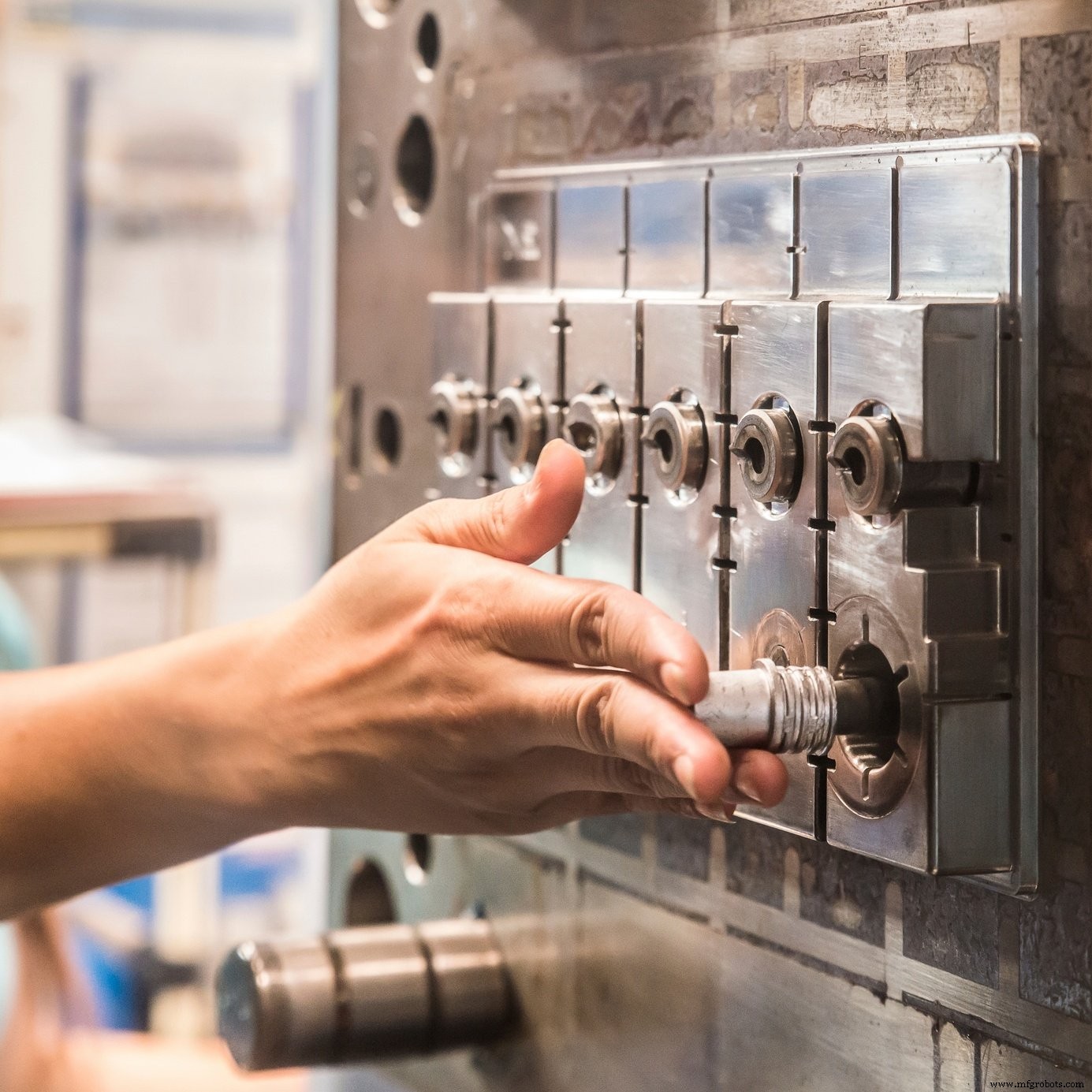
Choosing the right molding process for composite parts is critical. Thermoset injection molding offers unique advantages and challenges that can impact cost, quality, and production speed. Below we break down the key pros and cons to help you determine if this method suits your project.
- Compression
- Injection
- Transfer
- Extrusion
These four processes produce different shapes and sizes, each with its own set of strengths. The following sections focus specifically on the injection molding route for thermoset composites.
Benefits of Thermoset Injection Molding
- Material versatility: From thermoplastic and thermosetting resins to polymers and elastomers, injection molding lets engineers mix and match to meet precise mechanical or chemical requirements.
- Ideal for high‑volume production: Once the tooling is in place, the cycle time is short, enabling large batches at consistent quality.
- Precision and minimal waste: The closed‑system design and controlled flow reduce scrap compared to other molding methods.
- Rapid cooling: Thermosets solidify quickly, shortening cycle time and freeing the mold for the next part.
Drawbacks of Thermoset Injection Molding
- High tooling investment: Accurate, durable molds are required, which can raise upfront costs.
- Flash formation: Because thermosets flow more readily than thermoplastics, excess material often appears along the mold edges. Removing flash typically requires an additional trimming step.
- Size limitations: Parts generally weigh between 0.1 lb and 6 lb are best suited for injection. Larger pieces are better handled by transfer or compression molding, while smaller, low‑volume parts may use extrusion or compression.
When deciding on a molding strategy, it’s essential to consult with a composite or thermoplastics engineer. They can evaluate your design, material, volume, and cost targets to recommend the optimal process for a high‑quality, cost‑effective part.

Composite material
- Stainless Steel Handles: Advantages, Disadvantages, and Expert Insights
- Advantages and Drawbacks of Metal Pickling: A Comprehensive Overview
- Die Casting: Advantages, Challenges, and Key Insights for Manufacturers
- Lost‑Foam Casting: Benefits, Drawbacks, and When to Use It
- Benefits and Drawbacks of Single‑Pass Boring in Manufacturing
- Cold‑Forming Metalworking: Advantages, Drawbacks, and Key Insights
- Infrastructure as Code: Benefits, Challenges, and Best Practices
- Outsourcing Lubrication: Benefits, Drawbacks, and Strategic Considerations
- Compression vs. Cast Molding: Advantages, Disadvantages, and Cost Considerations
- Injection Molding: Benefits, Drawbacks, and Industry Insights