



Why Metal Shavings in Engine Oil Occur – Causes, Symptoms, and Prevention
Regular maintenance is the best defense against engine problems. By routinely checking your oil, oil filter, and oil pan, you can catch issues early and keep your engine running smoothly.
One warning sign to watch for is metal shavings in the oil. These tiny particles can slip into the lubricant, contact critical engine parts, and accelerate wear.
Read on to discover how metal debris enters your oil, what it looks like, and how you can keep your engine protected.
Sources of Metal Shavings in Oil
As the oil circulates around moving engine components, high speeds and constant use can cause microscopic metal particles to break loose—a normal by‑product of engine wear. While some shedding is inevitable, excessive amounts usually signal a deeper problem.
The oil filter is designed to capture these flakes, but it cannot trap everything. That’s why regular oil and filter changes are essential to prevent metal buildup.
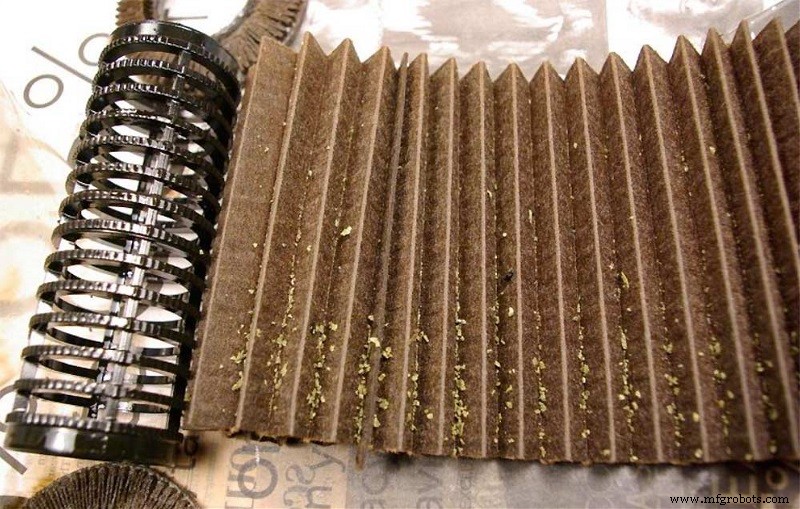
Image credit: 986forum.com
In addition to wear and tear, bearing damage is a common culprit. Engine bearings—main, connecting rod, small‑end, and camshaft—often combine a low‑friction material (brass, copper, aluminum) with a steel backing. This design improves longevity but can also release metal particles when bearings fail.
Non‑magnetic flakes typically indicate a failed bearing, while magnetic particles point to steel components such as crankshafts or bearing backs.
Signs Your Oil Has Metal Shavings
Pay attention to your vehicle’s behavior each time you drive. Key indicators include:
- Reduced engine power: Difficulty accelerating may signal contaminated oil or a clogged filter.
- Ticking noises: Metal shavings can impede oil flow, leading to insufficient lubrication and audible ticks.
- Rough idles: Friction from poor lubrication can cause the engine to vibrate or shake at idle.
- Engine knocking: Debris buildup can damage components, causing uneven combustion and clunking sounds.
- White exhaust fumes: Smoke may indicate oil seeping into cylinders—an urgent issue requiring immediate service.
Additional red flags include a check‑engine light or oil‑pressure warning on modern vehicles. These alerts often accompany contamination or bearing issues.
Potential Problems
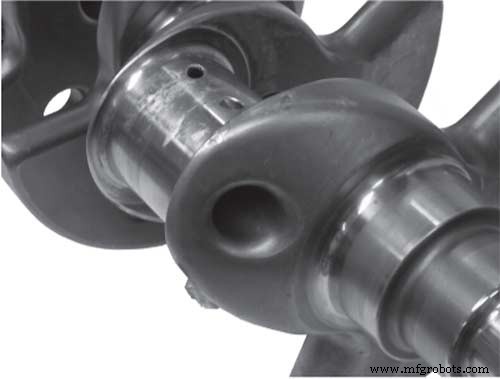
When metal shavings travel between crankshaft journals and bearings, they can scratch or gouge surfaces, compromising engine integrity.
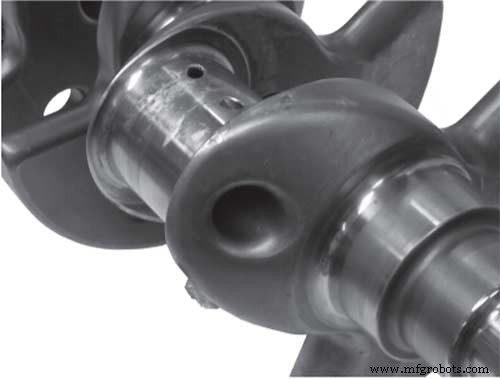
Metal particles can also block oil passages, dropping pressure and flow to critical components. This premature loss of lubrication accelerates engine failure.
Some metal in oil is normal, especially on newer engines, but a sudden surge or persistent debris after break‑in is a sign of damage.
Preventive measures—regular oil and filter changes—are your first line of defense against metal shavings and the engine damage they can cause.
Learn Engine Maintenance with UTI Training
Universal Technical Institute (UTI) offers a comprehensive 51‑week Automotive Technology program. Whether you want to keep your car running or pursue a career in automotive repair, UTI’s curriculum covers every system—including detailed oil‑system maintenance—to help you avoid metal‑shavings problems.
Interested in learning more? Request additional information from our admissions representatives today.
1
Industrial equipment
- Phosphatizing in Metalworking: Process, Benefits, and Best Practices
- Sheet Metal Screws Explained: Types, Features, and Proper Use
- Metal Cladding Explained: Benefits, Types, and Design Tips
- Understanding Metal Processing: Turning Scrap into New Products
- Understanding Pot Metal: Composition, Uses, and Quality Concerns
- Road Oil Explained: Benefits, Uses, and Safe Application
- Palladium Explained: Properties, Uses, and Value
- Understanding Oil Derricks: Key Features & Functions
- Key Functions of an Engine Crankcase Explained
- Engine Lathes Explained: History, Features, and How They Differ from Standard Lathes