



The Birth of NASCAR: From Moonshine Racers to Modern Motorsports
The National Association for Stock Car Auto Racing—better known as NASCAR—was founded in 1948, but its roots trace back to the Prohibition era, when moonshine runners turned the streets of the American South into impromptu racetracks.
Daytona Beach, Florida, was a hotspot for land‑speed record attempts. Drivers gathered on the 4.1‑mile course that combined a 1.5‑to‑2‑mile beach straightaway with a beachfront highway. It was here that William “Bill” France Sr., a racer and businessman, recognized the need for a formal sanctioning body to promote and regulate the growing sport.
Since its inception, NASCAR has led the charge in producing and sanctioning races worldwide, today operating as the largest governing body for stock‑car racing. The organization’s growth—from a handful of local events to more than 1,500 sanctioned races across the globe—underscores its enduring influence.
Read on to discover NASCAR’s pivotal moments and learn about the specialized technician training offered at the NASCAR Technical Institute.
NASCAR Origins
In the 1920s and 1930s, Daytona Beach’s sandy stretches were the ultimate venue for speed record competitions. The 4.1‑mile circuit featured a 1.5‑to‑2‑mile beach straightaway and a beachfront highway, attracting drivers eager to push the limits of their cars.
Stock‑car racing began during Prohibition (1920–1933). Small, fast vehicles were adapted to transport whisky and other contraband. Exterior‑looking cars were stripped of floorboards and seats to create space for bootlegged alcohol, and drivers honed their skills on rural roads.
Even after Prohibition ended, moonshine runners kept racing in the South, accelerating the evolution of stock cars and elevating Daytona’s racing scene.
Bill France Sr. arrived in the Daytona area in 1935 amid the Great Depression, entered the 1936 event, and finished fifth. He began operating the course in 1938. In 1947, France convened with other promoters and racers, laying the groundwork for a formal sanctioning body.
The discussions culminated in NASCAR’s creation in 1948, featuring three divisions: Modified, Roadster, and Strictly Stock. The Roadster division was soon dropped due to low fan interest.
The First NASCAR Race
The inaugural NASCAR event took place on February 15, 1948, at Daytona’s beach‑road course, featuring a Modified division race. Although this was the company’s first event, 1949 is often remembered as the year the sport truly transformed.
The first Strictly Stock Series race—NASCAR’s first officially sanctioned stock‑car event—was held on June 19, 1949 at Charlotte Speedway, North Carolina. A crowd of approximately 13,000 watched 200 laps (150 miles), with top speeds around 68 mph. Jim Roper won in a 1949 Lincoln after Glenn Dunaway was disqualified for illegal rear springs on his 1947 Ford.
NASCAR Through the Years
From its modest beginnings, NASCAR has evolved into a thriving, globally recognized sport. Below are some key milestones:
- September 4, 1950: NASCAR’s first 500‑mile race, the Southern 500, debuted at Darlington Raceway.
- February 22, 1959: The inaugural Daytona 500 at the 2.5‑mile Daytona International Speedway drew over 41,000 fans; Lee Petty claimed victory.
- December 1, 1963: Wendell Scott became the first African‑American winner in NASCAR’s premier series.
- September 14, 1969: Alabama International Speedway opened (now Talladega Superspeedway).
- March 24, 1970: Buddy Baker became the first driver to break 200 mph.
- February 14, 1971: The Daytona 500 was broadcast on the Motor Racing Network for the first time.
- January 10, 1972: Bill France Sr. passed leadership to his son, Bill France Jr.
- July 4, 1984: Richard Petty celebrated 200 wins at the Firecracker 400.
- November 15, 1992: The Atlanta Motor Speedway finale featured Jeff Gordon’s debut in the premier series and Richard Petty’s final race.
- November 11, 1999: Fox, NBC, and Turner Sports became NASCAR partners.
- February 18, 2001: Dale Earnhardt Sr. tragically died after a crash at the Daytona 500.
- January 2003: The NASCAR Research & Development Center opened in Concord, North Carolina.
- May 23, 2010: The inaugural NASCAR Hall of Fame class—including Bill France Sr., Bill France Jr., Richard Petty, Dale Earnhardt Sr., and Junior Johnson—was inducted.
- February 17, 2013: Danica Patrick became the first woman to win a premier‑series pole at the Daytona 500.
- November 20, 2016: Jimmie Johnson secured his seventh premier‑series title, tying the records of Richard Petty and Dale Earnhardt Sr.
- April 27, 2018: NASCAR announced its acquisition of the Automobile Racing Club of America (ARCA).
- August 6, 2018: Leadership passed to Jim France, the founder’s grandson.
NASCAR has transformed from street‑car races to cutting‑edge racing machines, capturing the imagination of millions and preserving a rich legacy for future generations.
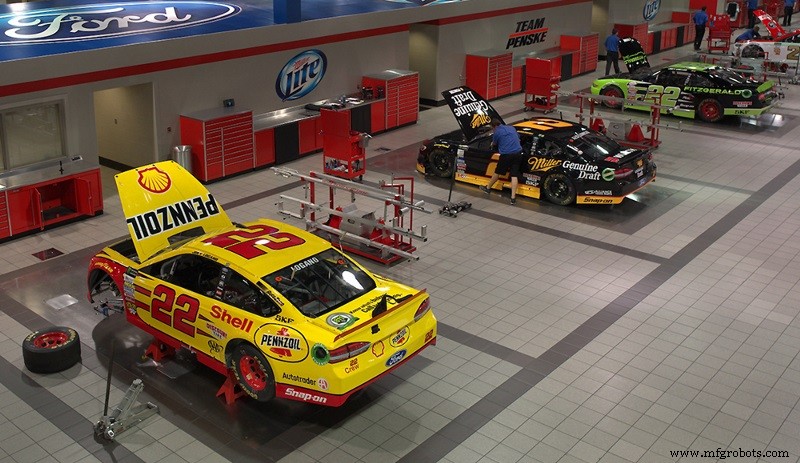
Specialized Training at NASCAR Technical Institute
If you’re passionate about NASCAR and aspire to work in motorsports, specialized training can be the key to a rewarding career.
The NASCAR Technical Institute in Mooresville, North Carolina, offers a 15‑week program covering engines, aerodynamics, fabrication, and pit‑crew fundamentals. Select students even build engines that compete in NASCAR‑sanctioned races.
As the exclusive educational provider for NASCAR and the only campus in the country to offer NASCAR‑endorsed training, NASCAR Tech equips students with industry‑standard technology and mentors who bring real‑world experience—from engine builders to crew chiefs.
Prospective students must first complete a core automotive program. Learn more about the Universal Technical Institute core auto program 24.
Pursue a Career in Motorsports
Combine your love for NASCAR with a hands‑on role in the industry. Racing teams need skilled technicians to keep cars running lap after lap.
For additional information about NASCAR Technical Institute’s specialized training program, request more details here or call 1‑800‑834‑7308.
Industrial equipment
- Inside NASCAR Engines: Design, Power, and Training
- Tracing the Evolution of Polymeric Materials: The Pioneering Innovations of the 19th Century (Part 2)
- Tracing the Evolution of Polymeric Materials: Part 1 – From Natural Rubber to Celluloid
- From Graduate to CEO: The Story Behind Our Company’s Success
- Predictive Maintenance Evolution: From Reactive Failures to Proactive Success
- Robotics in Manufacturing: A Proven Evolution of Efficiency and Innovation
- Chatbot Evolution: From ELIZA to Modern AI Solutions
- The Origins of Printed Circuit Boards: A 130-Year Evolution
- From Rivers to Industry: The Rise of Machining in the Rust Belt
- The Evolution of Horsepower: From Myth to Modern Measurement