



Dyno Tuning Explained: How a Dynamometer Optimizes Vehicle Performance
Modern vehicles are complex machines where every component can influence performance and fuel efficiency. By measuring key metrics—such as engine horsepower, torque, and the air‑fuel ratio—mechanics can fine‑tune a vehicle to unlock its true potential. This is the purpose of dyno tuning.
A dynamometer, or dyno, is a device that applies a controlled load to an engine or drivetrain while recording performance data. Engineers use this data to adjust ignition timing, fuel delivery, and other parameters to achieve optimal power output.
There are two primary dyno configurations:
- Engine dynos test the engine in isolation, measuring raw power and torque before it reaches the wheels.
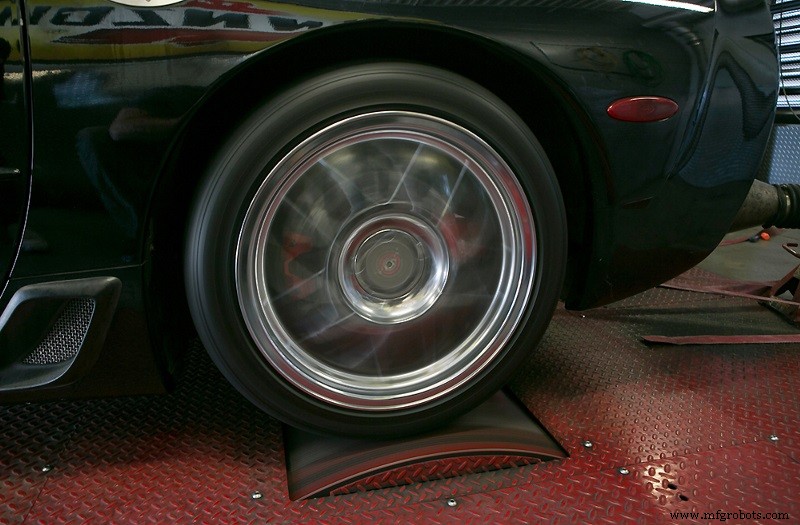
- Chassis dynos assess the vehicle’s entire drivetrain, including transmission, differential, and final drive, providing a realistic picture of on‑road performance.
For those interested in automotive technology, Universal Technical Institute (UTI) offers a nine‑week Power & Performance program that puts students in direct contact with dyno equipment.
Why Dyno Tuning Matters
Dyno tuning provides several tangible benefits:
- Higher horsepower and torque through precise adjustments.
- Improved drivability and smoother power delivery.
- Reduced backfire and harsh idling.
- Optimized fuel efficiency while maintaining performance.
- Extended engine life by preventing over‑stress and uneven wear.
Conducting a dyno session before installing aftermarket parts ensures that any modifications are calibrated to the vehicle’s capabilities, preventing over‑reliance on the engine and preserving reliability.
Pre‑Dyno Checklist
Accurate dyno results start with a well‑prepared vehicle. Inspect the following components to eliminate variables that could skew readings:
- Spark plugs & filters: Verify plugs are clean and properly gapped; replace air, oil, and fuel filters if dirty.
- Fluids: Top up engine oil, transmission, and differential fluid; check for leaks and seal integrity.
- Belts & hoses: Inspect for cracks or wear; replace any component that could fail under dyno load.
- Tires: Ensure all tires are in good condition and have adequate tread. Proper traction on the dyno rollers is critical for accurate torque measurement.
Keep spare spark plugs, an ignition coil, and other essential parts on hand; unexpected issues can arise during a dyno run.
UTI’s Power & Performance Courses
UTI’s Automotive Technology curriculum, developed in partnership with Roush Yates Engines, immerses students in hands‑on dyno work over two intensive modules.
Power & Performance I
Students learn to calculate compression ratios, disassemble a V‑8, and assess each component’s condition. They also gain foundational experience with both engine and chassis dynos, observing how changes to induction, fueling, and exhaust affect output.
Upon completion, students rebuild and reinstall a V‑8, preparing for the next phase of the program.
Power & Performance II
Building on earlier lessons, students install the rebuilt engine onto a rolling chassis, connecting exhaust, ignition, and carburetion systems. They then run the engine on a chassis dyno to measure torque and horsepower, and compare performance before and after modifications.
Advanced students also work with heavily modified V‑8s, using dyno data to fine‑tune and validate their tuning strategies.
Emission‑Legal Performance Tuning
This module covers tuning software for supercharged, turbocharged, and nitrous‑powered engines, while emphasizing EPA emissions compliance. Students learn to interpret data from a five‑gas analyzer and adjust tuning parameters accordingly.
Start Your Engine‑Tuning Journey at UTI
Enrolling in UTI’s Automotive Technology program grants you the opportunity to build, test, and tune engines in a professional setting. Download the full course catalog to explore the detailed curriculum of the Power & Performance courses.
Graduating in less than a year equips you with the hands‑on experience and industry knowledge essential for an entry‑level career in automotive performance.
Request more information today.
Industrial equipment
- Diamond Turning: Precision Machining for Advanced Optics and Beyond
- Ultrasonic Machining Explained: Process, Benefits, and Limitations
- Rotational Molding: The Complete Guide to Creating Hollow Plastic Parts
- Chrome Plating Explained: Process, Steps, and Applications
- Understanding the Oxygen (O2) Sensor: Role, Placement, and Failure Signs
- Understanding AS9100: The Aerospace Quality Management Standard
- What Is A2 Steel? A Versatile, Cost‑Effective Tool‑Steel Grade for Industrial and Woodworking Applications
- Understanding Metal Casting: Process, Benefits, and Applications
- Demystifying 3D Printing: A Clear Guide for Innovators
- Decoding 'N' in Pump Calculations: Its Role and Significance