



Choosing the Right Hydraulic Pump Size for Your Log Splitter
Whether you’re looking to split logs or operate a sawmill, you’ll need a hydraulic pump to do the job. In this article, we’ll introduce you to the different types of hydraulic pumps and help you choose the right size for your needs.
What Size Hydraulic Pump Do I Need for My Log Splitter?
If you’re thinking about purchasing a log splitter, you’ll need to decide what size hydraulic pump you need. There are three types of pumps that can be used with a log splitter: electric, gas, and hydraulic. Each has its own advantages and disadvantages. Here’s a guide to help you decide which one is right for you.
Electric pumps are the simplest type of pump and they work well for small jobs. They have limited power and can’t handle large logs. Electric pumps are good for splitting wood up to 2 inches in diameter.
Gas pumps are more powerful than electric pumps and can handle larger logs. They also have faster speeds than electric pumps, so they’re good for jobs that require high-speed splitting. Gas pumps require an external source of gas, such as a natural gas line or propane tank, so be sure to check your local regulations before purchasing one.
Hydraulic pumps are the most powerful type of pump and they’re best suited for large jobs like splitting logs into lumber. Hydraulic pumps are also the most expensive type of pump, but they offer great performance and long life span. Many people choose hydraulic pumps because they’re easy to useand they don’t require any extra equipment, like a gas line or propane tank.
If you’re just starting out with a log splitter, we recommend choosing an electric pump. They’re simple to use and they offer good performance for small jobs. If you decide to upgrade your log splitter later on, you can always choose a gas or hydraulic pump.
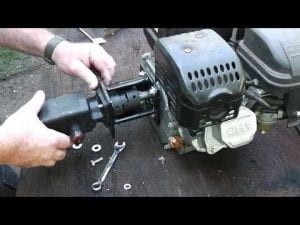
what size hydraulic pump for log splitter
How to Choose the Correct Size Hydraulic Pump for My Log Splitter
hydraulic pump selection can be overwhelming for anyone just starting out with a log splitter.
There are several factors to take into account when choosing the right size pump, including the horsepower of the machine, the type of logs being split, and the terrain where it will be used. Here are some tips to help make the process easier:
-Start by calculating how much horsepower your machine requires. This can be found on the manufacturer’s website or in the user manual.
-Next, measure the distance between the input and output ports on your log splitter. This is also found in the owner’s manual or online.
-Compare reviews and ratings of different brands of hydraulic pumps to get an idea of what is popular and has worked well for other people.
-Be realistic about your needs and choose a pump that will meet them without overloading or damaging your machine.
-If you are splitting logs on uneven terrain, a pump with variable speed capabilities may be a better choice. This way, you can adjust the speed to match the terrain.
-Finally, be sure to have a backup plan in case your pump fails. Having another pump on hand will help you avoid long delays while your original machine is repaired or replaced.
What are the Advantages of a Hydraulic Pump when Used in a Log Splitter?
A hydraulic pump is a great choice for a log splitter because of its many advantages. First and foremost, hydraulic pumps are more efficient than electric motors in terms of power output. This means they can handle larger logs with ease, reducing the time it takes to split them. Additionally, hydraulic pumps are quieter than electric motors, which can be helpful if you need to operate the log splitter in a noisy environment. Finally, hydraulic pumps have longer warranties than electric motors, so you can be sure that you’re getting your money’s worth if you choose one for your machine.
All in all, the advantages of using a hydraulic pump in a log splitter are many and significant. If you’re looking for an efficient, powerful option that won’t make much noise, a hydraulic pump is a great choice.
Pros and Cons of Using a Hydraulic Pump in a Log Splitter
Hydraulic pumps are an excellent choice for use in a log splitter. They are powerful and efficient, making the job of splitting logs much easier. There are, however, some things to keep in mind when using a hydraulic pump in a log splitter. First, make sure that the pump is properly sized for the job. Second, be aware of the potential hazards associated with using a hydraulic pump. Finally, be sure to consult with a qualified mechanic before using a hydraulic pump in a log splitter.
Hydraulic pumps are powerful and efficient. This makes the job of splitting logs much easier.
Pumps are properly sized for the job. This means that you won’t have to spend time trying to figure out which pump is right for your needs.
Hazards associated with using a hydraulic pump are generally low. This means that you can safely use a pump in a log splitter without worry.
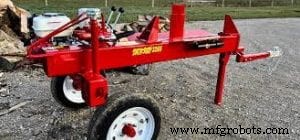
what size hydraulic pump for log splitter
Conclusion
If you are in the market for a hydraulic pump to use with your log splitter, be sure to measure the dimensions of the pump that you need before making your purchase. Not all pumps will fit every machine, so it is important to get the right one for your specific needs. In addition to measuring the dimensions of the pump, make sure to also consider what type of fuel it uses and how powerful it is.
what size hydraulic pump for log splitter, please clickhttps://topkitparts.com/ to learn more
Industrial equipment
- What Is a Case Drain in a Hydraulic Pump? Essential Function & Maintenance
- Understanding Radial Hydraulic Pumps: Design, Applications, and Benefits
- Understanding Two-Stage Hydraulic Pumps: Function and Applications
- Rexorth A10CNO Hydraulic Pump: Design, Performance, and Industrial Applications
- Choosing the Right Hydraulic Pump Size for Your Dump Trailer
- Determine the Right Hydraulic Pump Size for Your Business
- HS Code for Hydraulic Pump – Classification & Usage
- Understanding the Symbol for a Hydraulic Pump: Key Identifiers and Usage
- Choosing the Right Hydraulic Pump Size for Your Log Splitter: A Practical Guide
- Understanding Hydraulic Gear Pumps: Definition, Principles, and Industrial Applications