



When to Replace a Hydraulic Pump: Key Indicators and Best Practices
Hydraulic pumps are an essential part of many industrial processes, and as such they are subject to regular wear and tear. If a hydraulic pump is not replaced on a regular basis, it can become damaged and require repair or replacement. In this article, we will discuss when a hydraulic pump should be replaced and how to determine if it needs to be repaired or replaced.
What is a hydraulic pump?
A hydraulic pump is a type of pump used to move fluid or gas. They are used in a variety of applications, including manufacturing, transportation, and environmental systems. A hydraulic pump can be used to move a large amount of fluid at a fast rate. When should a hydraulic pump be replaced?
When it becomes apparent that the pump is not functioning as it should, it is important to replace the pump as soon as possible in order to maintain optimal function. If the pump is not replaced within a certain period of time, the motor may start to fail and the pump may become inoperable. Additionally, if the motor does fail, it can cause significant damage to the system.
Types of hydraulic pumps
When should a hydraulic pump be replaced?
There are many types of hydraulic pumps, so it can be difficult to determine when one should be replaced. Here are some of the most common types and when they may need to be replaced:
Engine-mounted pumps: These pumps are typically used on industrial and agricultural equipment. They may need to be replaced if they start making noise or if they stop working altogether.
Pump jack: These pumps are used to raise or lower objects, such as trucks or boats. They may need to be replaced if the bearings start to wear down or if the shaft begins to vibrate.
Water pump: These pumps are used to move water through a system. They may need to be replaced if the impeller starts to wear down or if there is a leak in the system.
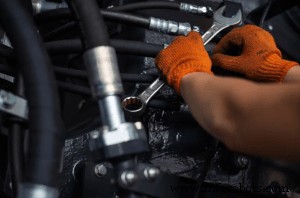
When Should a hydraulic pump be replaced
What are the signs that a hydraulic pump needs to be replaced?
Hydraulic pumps can last for many years, but there are some telltale signs that they may need to be replaced. A pump’s lifespan is largely determined by how often it is used and how well it is cared for. Here are a few things to watch out for:
-If the pump doesn’t move fluid when it is turned on, it likely needs to be replaced.
-If the pump has been subjected to heavy wear or corrosion, it may need to be replaced.
-If the pump makes unusual noises, it may need to be replaced.
When is it time to replace a hydraulic pump?
A hydraulic pump is a machine that converts energy from a motor into motion. Over time, these pumps can wear out and need to be replaced. When should this occur? There is no definitive answer, as it depends on the age of the pump and other factors. However, if the pump is less than five years old, it’s likely time to replace it. Additionally, if there are any noticeable problems with the pump – like leaks or noise – it may be time to get it fixed or replaced.
What can happen if a hydraulic is not replaced?
A hydraulic pump can wear out and eventually need to be replaced. If the pump is not replaced, it can cause damage to the engine, damage to the machine, and even lead to a safety issue. It is important to replace a pump when it starts to show signs of wear so that the machine can continue running safely.
If a hydraulic is not replaced, the machine may become overloaded and could even start to malfunction. Overloaded machines can cause serious injury if they are operated incorrectly or if they hit something while they are operating.
How can a hydraulic pump be repaired?
When should a hydraulic pump be replaced?
Due to the fact hydraulic pumps are used in a variety of industrial and commercial settings, they can encounter a number of issues that can necessitate the replacement of the pump. One of the most common reasons for needing to replace a hydraulic pump is if it becomes damaged as a result of regular use. In some cases, the pump may simply stop functioning altogether due to wear and tear. If you notice that your hydraulic pump is no longer supplying the necessary level of pressure or fluid flow, it is important to contact an expert for inspection and repair.
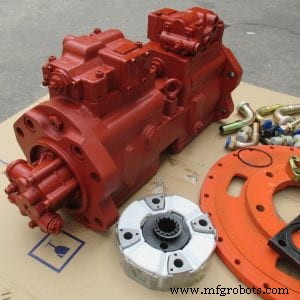
When Should a hydraulic pump be replaced
Who Can Replace a Hydraulic Pump?
When should a hydraulic pump be replaced?
Replacing a hydraulic pump is not something you should do lightly, as the job requires a fair amount of experience and specialized tools. In most cases, only a qualified professional should handle the installation.
The main reasons for replacing a hydraulic pump are wear and tear, loss of pressure, or failure. Pump failure can cause a lot of damage in a short amount of time, so it’s important to get it fixed as soon as possible.
When it comes to wear and tear, every pump is different and will need specific care. However, some general tips that will help keep your pump running smoothly include cleaning it regularly with an approved cleaner, lubricating it according to manufacturer specifications, and testing it periodically.
The effects of wearing out a hydraulic pump
Hydraulic pumps can last for a long time, but like any other mechanical device, they will eventually wear out. When the pump starts to make strange noises or start to struggle to move fluid, it is time to replace it.
Hydraulic pumps are typically replaced when they reach the end of their lifespan, which can range from 10-15 years. This lifespan is based on a number of factors, including how often the pump is used, its condition, and how well it is taken care of.
Conclusion
A hydraulic pump should be replaced every 10,000 hours of operation, or at least every 5 years if it is operated at full capacity. This means that your pump should be replaced approximately once a year on average. If you are not sure when your pump was last serviced, you can use the manufacturer’s self-diagnostic test procedure to determine if it needs to be replaced.
When Should a hydraulic pump be replaced, please click https://topkitparts.com/bosch-rexroth-vane-pumps/ to learn more
Industrial equipment
- When to Replace Hydraulic Hoses: Expert Signs & Timelines
- Hydraulic Pumps Explained: Key Principles & Applications
- Step‑by‑Step Guide to Bleeding a Hydraulic Pump
- Preventing Hydraulic Pump Overheating: Causes & Solutions
- Understanding Radial Hydraulic Pumps: Design, Applications, and Benefits
- Choosing the Right Hydraulic Pump: Key Factors & Expert Tips
- When to Replace a Hydraulic Pump: Key Indicators and Best Practices
- Can You Hand‑Turn a Hydraulic Pump? Pros, Cons, and Practical Tips
- Key Factors to Evaluate Before Purchasing a Linde 2PV-TS Hydraulic Pump
- When Is It Time to Repair Your Hydraulic Pump? Key Indicators Explained