



How to Boost Hydraulic Flow Rate for Optimal Performance
Hydraulic flow rate is the measure of how much fluid is moving through an engine or pumping system in a given time period. It is essential to know if your hydraulic system is functioning properly, as incorrect flow rates can lead to inefficient operation, reduced output, and even breakdowns. In this article, we will discuss some methods for increasing hydraulic flow rate and help you to achieve optimal performance.
What is hydraulic pressure?
hydraulic pressure is the force applied to a fluid by a pump (or similar device) to move the fluid through a pipeline or other conduit. In hydraulic engineering, it is often measured in pounds per square inch (psi).
Pressure affects the flow rate of fluids because it creates a force that opposes the natural tendency of liquid or gas to flow from high pressure to low pressure. When pressure is greater than atmospheric pressure, liquid or gas will flow uphill. By increasing the pressure on a fluid, you can increase its flow rate.
Pressure can be increased in three ways:
1) By using a larger pump.
2) By increasing the elevation of the pump head.
3) By using a restrictive valve.
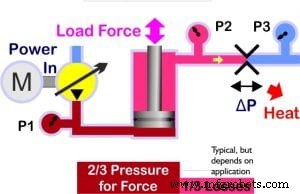
How do you increase hydraulic flow rate
Hydraulic Flow Rate
There are a couple ways to increase the hydraulic flow rate of a machine. One way is to increase the size of the pump or turbine. Another way is to add more nozzles orifices to the pump.
Pump Size
The most common way to increase the hydraulic flow rate of a machine is to increase the size of the pump. This can be done by adding more impellers or blades, or by enlarging the housing. The larger pump will can handle higher flow rates, which will make the machine more efficient.
Nozzle Count
Another way to increase the hydraulic flow rate of a machine is to add more nozzles orifices to the pump. This will allow more fluid to flow through the pump in a given amount of time. This will increase the efficiency of the machine and make it more powerful.
Types of hydraulic lines
Hydraulic lines come in a variety of types, each with its own advantages and disadvantages. Here are four types of hydraulic lines:
1. Conventional hydraulic lines: These lines are made of plastic or metal pipe and use compressed air or liquid to move fluid along them. They’re typically used for small jobs, such as moving water or oil.
2. Pneumatic hydraulic systems: These systems use pressurized air to power the lines. They’re more efficient than conventional hydraulic systems, but they can be more expensive to install.
3. Electric hydraulic systems: These systems use electricity to power the lines. They’re generally more efficient than pneumatic systems and less expensive to install, but they require an electrician to install them.
4. Hybrid hydraulic systems: These systems combine features from several of the other types of systems.
Why do you need to increase flow?
When you are hydraulically pumping fluid, the flow rate is important. This is because it determines how much material can be moved in a given time. There are many factors that can affect flow rate, including the size of the pump, the type of fluid being pumped, and the overall pressure and temperature.
Here are some tips to increase flow rate:
-Choose the right pump: There are a number of different types of pumps available, so choose the one that will best meet your needs. For example, a centrifugal pump is good for moving fluids quickly around a system, while a rotary vane pump is better for moving viscous liquids.
-Pump bigger: If you have a small pump, you might need to increase the flow rate by increasing the size of the pipe being used. Alternatively, you could buy a larger pump that can handle more pressure.
-Reduce turbulence: When fluids move through pipes, they can generate turbulence. This turbulence reduces the flow rate and can cause clogs. To reduce turbulence, try using larger diameter pipes or using multiple smaller pipes to combine their power.
-Cooling: If the temperature is high outside the pump
How to increase hydraulic flow rate
A hydraulic system’s flow rate is determined by the pressure that it can generate and the size of the pipes and valves that are used. There are a few things you can do to increase the hydraulic system’s flow rate.
One way to increase the flow rate is to replace or upgrade the pumps and valves. By upgrading your system, you can increase its output power and efficiency. Additionally, you can install larger pipes and valves to accommodate increased flow rates. Another approach is to use injectors. Injectors are devices that help increase the flow rate by providing a supplemental flow of fluid. By increasing the overall flow rate, you can reduce pump wear and improve system performance.
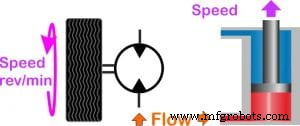
How do you increase hydraulic flow rate
The Basics of Hydraulic Flow Rate
When it comes to hydraulic flow rate, the basics are key. To increase the rate at which a fluid is moving, you need to increase the amount of pressure being applied to the fluid. You can do this by increasing the size or pressure of your pump or by using a higher-pressure fluid. Keep in mind that you also need to make sure that your system is properly designed and installed so that the increased pressure is able to reach all of the parts of your system.
When it comes to hydraulic flow rate, there are a few things to keep in mind. First and foremost, you need to make sure that your pump is able to produce the required amount of pressure. Second, you need to make sure that the system is properly designed and installed so that the increased pressure can reach all of the parts of your system. Finally, you will also want to consider the type of fluid being moved and how much pressure is required to move it.
Factors Affecting Hydraulic Flow Rate
Factors that affect hydraulic flow rate include: the size and shape of the valve, the type of fluid being pumped, the pressure being applied, and the nomenclature used to describe the pump. Valve size and shape can have a significant impact on flow rate, while pressure and nomenclature can be more subtle.
To increase hydraulic flow rate, engineers must first understand how these factors affect flow. For example, increasing the size of a valve will result in increased flow rates, but this may not always be desirable. The increased size may make the valve more difficult to operate or it may create cavities that inhibit fluid flow. In contrast, using a standardized nomenclature may help engineers to better understand how much fluid is flowing through a pump at any given moment. Standardized nomenclature takes into account both the physical dimensions of a pump as well as its operating parameters. By using standardized terminology, engineers can better control the overall pumping process.
Methods to Increase Hydraulic Flow Rate
There are a number of ways to increase hydraulic flow rate, depending on the application and the available resources. Here are some tips:
– Increase the size of the pump: This can be done by increasing the size of the pump or by using multiple pumps. A larger pump can move more water faster and generate more power.
– Use a centrifugal pump: This type of pump uses rotating blades to create a high-speed flow of water. They are often used for applications that require high flow rates, such as water treatment plants and amusement park rides.
– Use a Mayflower pump: These pumps use patented technology to create a high-flow rate from low-pressure sources. They are often used in industrial applications, such as oil production and manufacturing.
Conclusion
Increasing hydraulic flow rate can be a challenge for many water removal and irrigation applications. This article will outline some methods you can use to increase the flow rate of your water delivery system. By following these tips, you should be able to increase the flow rate by up to 50%.
How do you increase hydraulic flow rate, please clickhttps://topkitparts.com/ to learn more
Industrial equipment
- Boosting Hydraulic Pump Pressure: Proven Techniques & Tips
- Boosting Hydraulic Motor Torque: Proven Techniques & Tips
- How to Adjust Hydraulic Speed for Peak Performance
- How to Effectively Test a Hydraulic Pump for Optimal Performance
- Calculating Hydraulic Pump Compressor Capacity (CC): A Step‑by‑Step Guide
- Determining Your Required Hydraulic Flow Rate
- Calculating Hydraulic Pump Flow: A Practical Guide to Optimizing Performance
- How to Verify Hydraulic Pump Pressure for Optimal Performance
- Step-by-Step Guide to Cleaning a Hydraulic Pump for Optimal Performance
- Essential Guide to Maintaining Your Hydraulic Pump: Tips, Troubleshooting & Longevity