



Applications of Zirconium‑Containing Refractories: Performance, Use Cases, and Benefits
Applications of Zirconium‑Containing Refractories
Over the past decade, zirconium‑containing materials—natural zirconium minerals, synthetic zirconium oxide, and engineered composite oxides—have become indispensable in refractory technology.
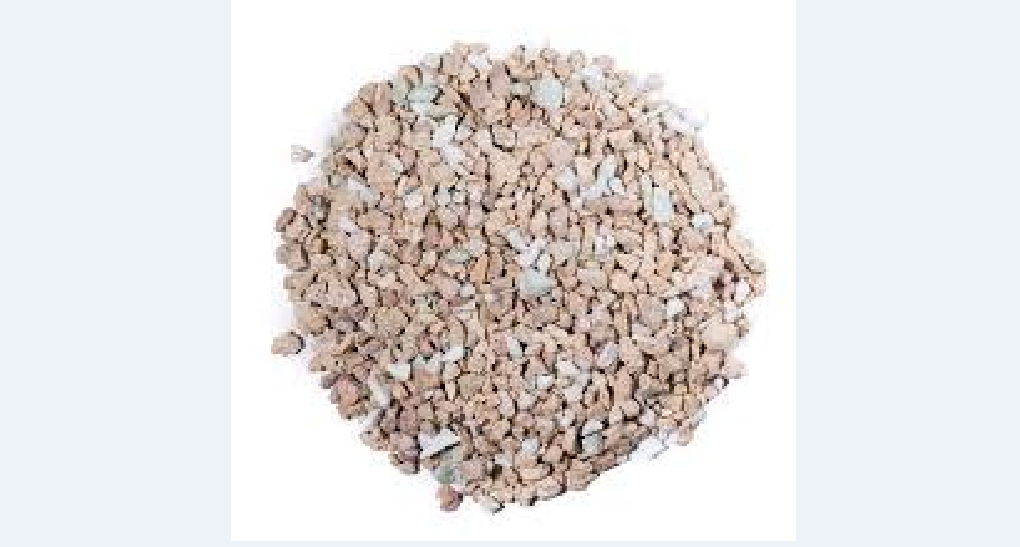
Zirconium‑based refractories stand out for their high melting points (often > 2100 °C), exceptional chemical stability, and superior resistance to slag, molten metals, and glass fluxes. These attributes also grant them outstanding thermal‑shock tolerance, making them ideal for glass kilns, metallurgical furnaces, cement kilns, and ceramic production.
Key Product Categories
- Zirconite – offers high‑temperature resistance and low slag adhesion.
- Zirconium oxide (ZrO₂) – provides excellent corrosion resistance and thermal stability.
- Calcium zirconate (CaZrO₃) – combines low thermal expansion with robust mechanical strength.
- Zirconium boride (ZrB₂) – delivers superior hardness and erosion resistance.
- Modified refractory blends – zirconia is incorporated into alumina, magnesia‑chromite, or magnesia‑carbon matrices to enhance strength, thermal shock, and chemical durability.
In glass furnaces, zirconium‑based linings are routinely installed in the melt zone, upper structure, sidewalls, and fluid‑hole areas, where they resist slag penetration and maintain dimensional stability.
Performance Highlights
Zirconite and related products excel in:
- High‑temperature service up to 2100 °C
- Excellent resistance to acidic slag and molten salts
- Minimal erosion and weak slag adhesion
- Low thermal expansion for reduced distortion
- Robust thermal‑shock resistance for rapid temperature changes
By adding zirconia to conventional refractory systems—typically 5–15 wt % of zircon sand or pre‑doped ZrO₂—manufacturers can significantly improve the chemical stability, strength, and thermal shock tolerance of alumina, magnesia‑chromite, and magnesia‑carbon refractories.
Conclusion
Thanks for exploring the advantages of zirconium‑containing refractories. For deeper technical insights and product catalogs, visit Advanced Refractory Metals, where we supply premium refractory solutions at competitive prices.
Metal
- Molybdenum Rods: Types, Applications, and Care
- Top Applications of Tungsten Wire in Modern Industry
- The Strategic Applications of Rhenium: From Catalysts to Aerospace
- Key Military Structural Materials: Magnesium, Aluminum, and Advanced Ceramics
- How Titanium Shapes Modern Bicycle Design
- What Are Refractory Metals? An Expert Overview of Their Properties and Applications
- Key Properties of Refractory Metals – What You Need to Know
- Red vs. Yellow Brass: Composition, Uses, and Key Differences
- Carbon Fiber Applications: Driving Innovation Across Industries
- 12-Inch-Thick Aluminum Plates: Versatile Applications & Key Benefits