



Key Military Structural Materials: Magnesium, Aluminum, and Advanced Ceramics
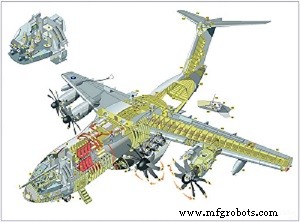
Modern warfare demands ever lighter, stronger, and more resilient components. As the focus shifts from mechanized to information‑driven conflict, the materials that form the backbone of weapons systems must rise to meet these new challenges.
Magnesium Alloys
Magnesium alloys are the lightest structural engineering metals, offering a unique blend of low density, high specific strength, excellent damping, and robust thermal conductivity. Their superior electromagnetic shielding and vibration‑reduction properties make them indispensable in aerospace and advanced weaponry.
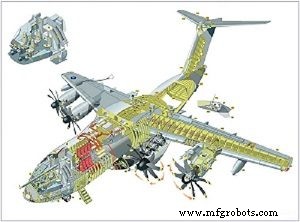
Common military applications include tank seat frames, vehicle and gun mirrors, gearbox housings, engine filter mounts, and critical components in aircraft and spacecraft—fighters, bombers, helicopters, transport planes, airborne radars, ground‑to‑air missiles, carrier rockets, and satellites. The material’s weight savings, noise absorption, shock resilience, and radiation protection are vital for modern combat platforms.
Aluminum Alloys
Aluminum alloys dominate the military’s structural toolkit due to their low density, high strength, and excellent machinability. They can be fabricated into a variety of profiles, pipes, and plate sections, enhancing component stiffness and overall performance.
Key aluminum grades in defense use include aluminum‑lithium, aluminum‑copper, and aluminum‑zinc‑magnesium alloys. The aluminum‑lithium family, in particular, can reduce aircraft weight by 8–15 % and is being explored for space vehicles and lightweight missile casings. Current research focuses on improving toughness and cost efficiency, especially for thicker sections.
Structural Ceramics
Advanced ceramics—such as alumina, lead oxide, silicon nitride, silicon carbide, and aluminum nitride composites—offer exceptional hardness, high‑temperature tolerance, corrosion resistance, and wear durability. These properties make them ideal for high‑performance military applications.
From single‑phase to multi‑phase composites, structural ceramics continue to evolve, providing low thermal expansion, lightweight, and high‑temperature capabilities that are increasingly leveraged in defense systems.
For deeper insights, visit SAMaterials.com.
Metal
- Top Applications of Tungsten Wire in Modern Industry
- Applications of Zirconium‑Containing Refractories: Performance, Use Cases, and Benefits
- Iridium Alloys: High‑Temperature, High‑Strength Applications in Aerospace, Energy, and Precision Engineering
- Cobalt Alloys: Composition, Key Properties, and Industrial Applications
- Why FRP Outperforms Traditional Materials in Industrial Construction
- Turmeric: Culinary Mastery, Health Benefits, and DIY Dyeing Techniques
- Key Properties of Graphite: Structure, Strength, and Applications
- Mastering Machining: Key Steps for Consistent, High-Quality Parts
- Top Benefits of Asset Tracking for Business Success
- Exploring the Key Types of Hydraulic Pumps for Industrial Efficiency