



Iridium Alloys: High‑Temperature, High‑Strength Applications in Aerospace, Energy, and Precision Engineering
Iridium Alloys: High‑Temperature, High‑Strength Applications in Aerospace, Energy, and Precision Engineering
Iridium alloys—metals containing small percentages of iridium—are renowned for their exceptional high‑temperature stability, corrosion resistance, and mechanical robustness. While pure iridium is brittle and challenging to machine, alloying with elements such as tungsten, hafnium, aluminum, iron, and thorium dramatically improves workability and impact toughness, enabling their use in demanding industrial environments.

These alloys retain a melting point above 2,400 °C and exhibit excellent thermal shock resistance. Their compatibility with graphite and plutonium dioxide (PuO₂) at elevated temperatures makes them ideal for high‑performance fuel containers in aerospace and medical thermoelectric systems. In automotive technology, iridium‑based spark plug electrodes offer superior strength and heat tolerance, allowing for smaller, faster‑responding designs compared to conventional plugs.
The following sections highlight key iridium alloys and their primary uses:
Iridium–Tungsten Alloy
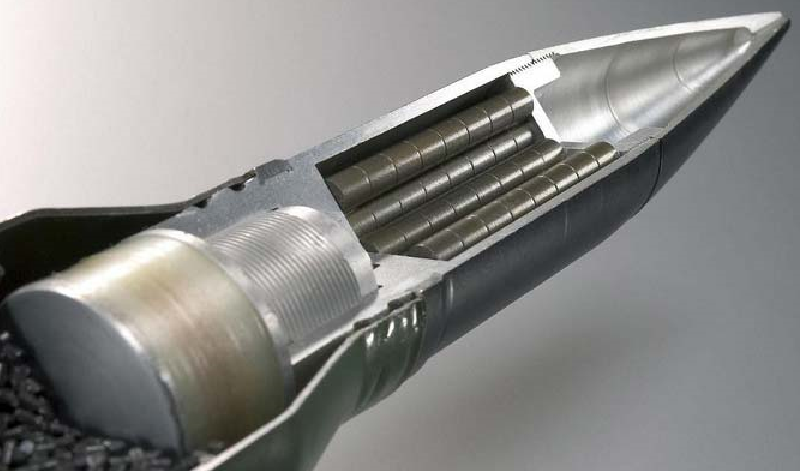
Wolfram (tungsten) has the highest melting point of any metal (3,422 °C), the lowest vapor pressure, and the greatest tensile strength at 1,650 °C. Combined with iridium, the resulting alloy exhibits markedly enhanced wear resistance, hardness, and high‑temperature corrosion resistance. These properties make iridium–tungsten alloys indispensable in advanced crystal‑glass manufacturing, high‑temperature sensors, and precision machining tools.
Iridium–Rhodium Alloy
This solid‑solution alloy demonstrates a tunable balance of density and hardness: increasing rhodium content lowers both parameters while improving pressure‑processing performance and oxidation resistance. Its stable composition makes it a preferred material for high‑temperature thermocouples and other temperature‑sensing devices.
Iridium–Cerium Alloy
Adding cerium to iridium reduces the work function from 5.4 eV to 2.5–2.6 eV, dramatically boosting thermal electron emission. The alloy maintains high‑temperature strength and emissivity, enabling high current‑density emission in electron‑beam applications and cathode designs.
Osmiridium Alloy
Osmiridium—an alloy of 30–70 % osmium by atomic fraction—exhibits a hard, brittle microstructure that is exceptionally difficult to process but offers outstanding cathodic coating properties. Its hardness also makes it suitable for manufacturing pen tips, pivot bearings, and other precision components that demand exceptional wear resistance.
Conclusion
Iridium alloys represent the pinnacle of high‑temperature, high‑strength materials. For more in‑depth technical data and procurement options, consult Advanced Refractory Metals (ARM), a global leader in refractory metal solutions headquartered in Lake Forest, California. ARM supplies top‑quality products—including tungsten, molybdenum, tantalum, rhenium, titanium, and zirconium—at competitive prices worldwide.
Metal
- The Strategic Applications of Rhenium: From Catalysts to Aerospace
- Silicon Carbide: Transforming Industry Through High‑Performance Applications
- Key Military Structural Materials: Magnesium, Aluminum, and Advanced Ceramics
- Cobalt Alloys: Composition, Key Properties, and Industrial Applications
- Stainless Steel Tubes: Key Applications Across Industries
- Applications and Properties of Manganese Steel: A Comprehensive Overview
- Key Applications of Beryllium Alloys in Modern Technology
- CNC Machining in Automotive Production: Key Applications & Industry Benefits
- 5-Axis CNC Machines: Key Applications Across Industries
- Internal Grinders Explained: Function, Applications, and Benefits