



How Cadmium Affects Human Health: Sources, Exposure, and Risks
How Cadmium Affects Human Health: Sources, Exposure, and Risks
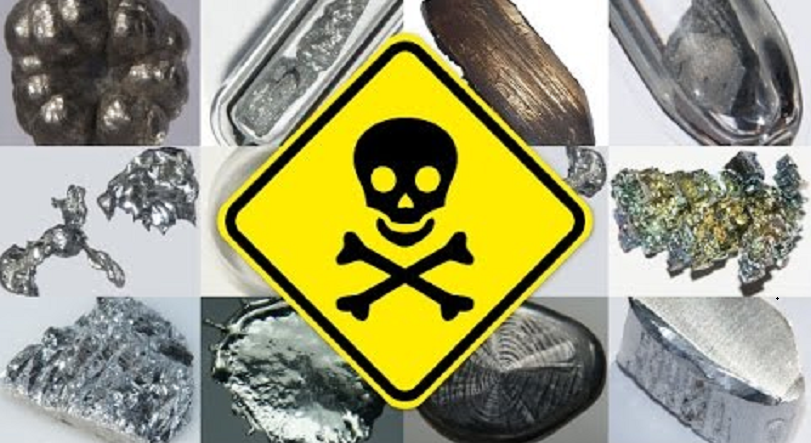
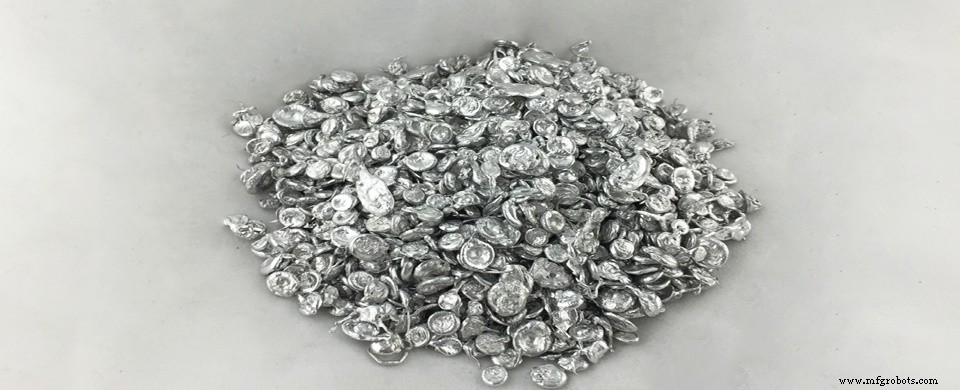
Cadmium is a naturally occurring heavy metal that becomes a major environmental contaminant through industrial activities such as metallurgy, smelting, ceramics, electroplating, and the manufacturing of batteries, plastic additives, food preservatives, pesticides, and pigments. Understanding how cadmium reaches the human body and the health consequences it can cause is essential for protecting vulnerable populations, especially children.
How Cadmium Affects Human Health
Primary Pathways of Cadmium Exposure
Cadmium enters the environment mainly through:
- Discharge of industrial wastewater and emissions from factories.
- Atmospheric deposition from cadmium‑containing dust and gas, which settles on soil and water.
- Runoff from contaminated sites that infiltrates groundwater and irrigated crops.
Lead‑zinc mining and related industries (e.g., electroplating, alkaline battery production) release cadmium into rivers and streams, contaminating local ecosystems and agricultural lands.
Food Chain Accumulation
Plants absorb cadmium from polluted soil and water. Rice, the world’s staple grain, is especially prone to accumulation; USDA experts note that rice cadmium levels rank second only to lettuce among crops. Livestock can also accumulate cadmium from contaminated feed and water, leading to trace amounts in animal products.
Health Impacts of Cadmium Exposure
While low levels of cadmium are generally harmless, chronic exposure can lead to:
- Kidney damage and impaired renal function.
- Bone demineralization, increasing fracture risk.
- Respiratory issues from inhalation of dust.
- Potential links to certain cancers.
Children are especially vulnerable. A U.S. study published in the journal Environmental Health Perspectives found that cadmium‑containing jewelry and accessories frequently used by children can result in ingestion and poisoning. This exposure can adversely affect kidney health and interfere with brain development.
Following the 2008 U.S. ban on lead in toys, manufacturers shifted to cadmium‑containing materials in batteries and other accessories. Many children inadvertently ingest these metals when they chew on jewelry or open gift packs.
Reducing Cadmium Exposure
- Choose organic or locally sourced foods from regions with low soil cadmium levels.
- Filter tap water if contamination is a concern.
- Inspect children’s jewelry and toys for heavy metal warnings.
- Support policies that enforce strict limits on industrial cadmium emissions.
Further Reading
For a deeper dive into cadmium chemistry and remediation strategies, visit Stanford Advanced Materials.
Metal
- Tungsten: The Backbone of Modern Aerospace Technology
- Understanding Cloud Computing: How It Works and Why It Matters
- Azure DevOps Certification Cost Breakdown – What You Need to Know
- AWS DevOps Certification: Cost, Benefits, and Career Impact
- How Aluminum Affects the Human Body: Exposure, Health Impacts, and Safety
- Understanding the Positioning Cylinder: Function, Placement, and Operation
- Mastering Polyurethane Production: Process Insights & Cost‑Saving Strategies
- Inside Netflix’s Recommendation Engine: How the Algorithm Curates Your Watchlist
- Preparing Tomorrow’s Workforce for Industry 4.0: Training Strategies for the Digital Factory
- Minimizing Human Error to Eliminate Deviations in Pharma Compliance