



Understanding Cloud Computing: How It Works and Why It Matters
Whether you’re a seasoned IT professional or simply curious about how the internet powers modern applications, you’ve come to the right place. “Cloud” computing has become the backbone of today’s digital landscape, and this article marks the beginning of our “Learn Cloud Computing” series.
What Is Cloud Computing?
When you use a smartphone or laptop, you typically access data stored locally on your device’s hard drive or RAM. In contrast, when you browse the web, stream video, or use SaaS applications like Gmail or Netflix, you’re retrieving data from servers over the Internet. That’s the essence of cloud computing: storing data and running applications remotely, accessible from anywhere with an internet connection.
Imagine the familiar cloud icon in network diagrams—it represents the same concept. By shifting from local or on‑premises storage (e.g., a NAS or internal server) to cloud infrastructure, users can access their files and services from any device at any time.
Everyday Examples of Cloud Computing
Google Services: Google Drive, Gmail, Google Calendar, Google Maps, Google Sheets, and many more are all powered by Google’s cloud platform, offering seamless access without device or location constraints.
Apple iCloud: iOS users rely on iCloud for backup, file synchronization, and features like “Find My iPhone.” It extends across Apple devices and even supports Windows clients.
Amazon Cloud Drive: Amazon’s cloud storage keeps music purchases, photos, and Kindle content in sync across devices.
Dropbox: Dropbox combines cloud and local storage, keeping a synchronized copy on your device while storing the master copy in the cloud.
How the Cloud Actually Works
Cloud computing delivers computing resources—servers, storage, databases, networking, software, analytics—via the internet from providers that own and manage large data centers. Major providers include Amazon Web Services, Microsoft Azure, Google Cloud, DigitalOcean, Rackspace, Kamatera, Liquid Web, and Alibaba Cloud. Each offers a range of services that can be accessed on demand, billed by usage, and scaled as needed.
Cloud Deployment Models
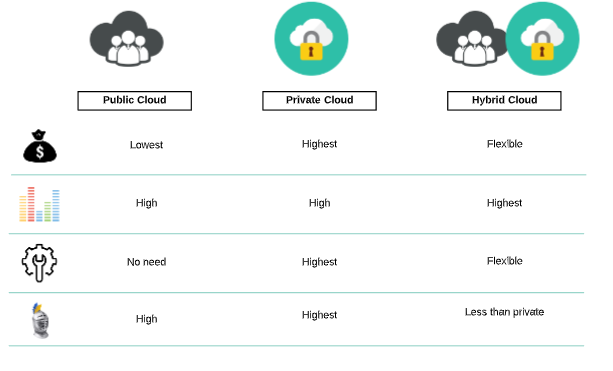
Clouds can be categorized into four primary deployment models, each suited to different business needs:
Public Cloud
A public cloud is owned and operated by a third‑party provider and delivers services to multiple customers over the internet. Examples include Microsoft Azure and Amazon Web Services. Benefits include rapid scalability, high reliability, and cost efficiency, with pay‑as‑you‑go pricing.
Private Cloud
A private cloud is dedicated to a single organization, either hosted on-premises or by a third‑party. It offers enhanced security and control, making it ideal for government agencies and enterprises with strict data‑handling requirements. The trade‑off is higher upfront and maintenance costs.
Hybrid Cloud
Hybrid clouds combine public and private environments, allowing workloads to move seamlessly between them. Organizations can keep sensitive data on a private cloud while leveraging public resources for burst capacity or non‑critical services.
Community Cloud
A community cloud is shared by several organizations with common interests, such as regulatory compliance or security standards. It typically builds on a public cloud foundation but is tailored to the community’s specific needs.
Stay tuned for the next installment as we dive deeper into cloud architecture, security, and best practices.
Cloud Computing
- Transfer Molding Explained: Process, Benefits, and Variants
- Big Data and Cloud Computing: How They Work Together
- Understanding Obfuscated VPN Servers: How They Work and Why They Matter
- How Google Cloud Storage Works: A Complete Guide
- Understanding Vehicle Transmissions: Types, Functions, and How They Operate
- Understanding Industrial Clutches: Definition, Function, and Applications
- Understanding Welding: Processes, Techniques, and Industrial Applications
- Quantum Computing Explained: How It Works and Why It Matters
- Wire EDM Explained: How It Works & Why It Matters
- Underwater Welding Explained: How It Works and Why It Requires Specialized Training