



How Iridium Powers Modern Industries: Applications and Benefits
How Iridium Powers Modern Industries
Iridium is a rare, dense refractory metal that is prized for its extraordinary melting point, hardness, and resistance to corrosion. These properties make it indispensable in high‑performance components across aerospace, electronics, and chemical manufacturing.
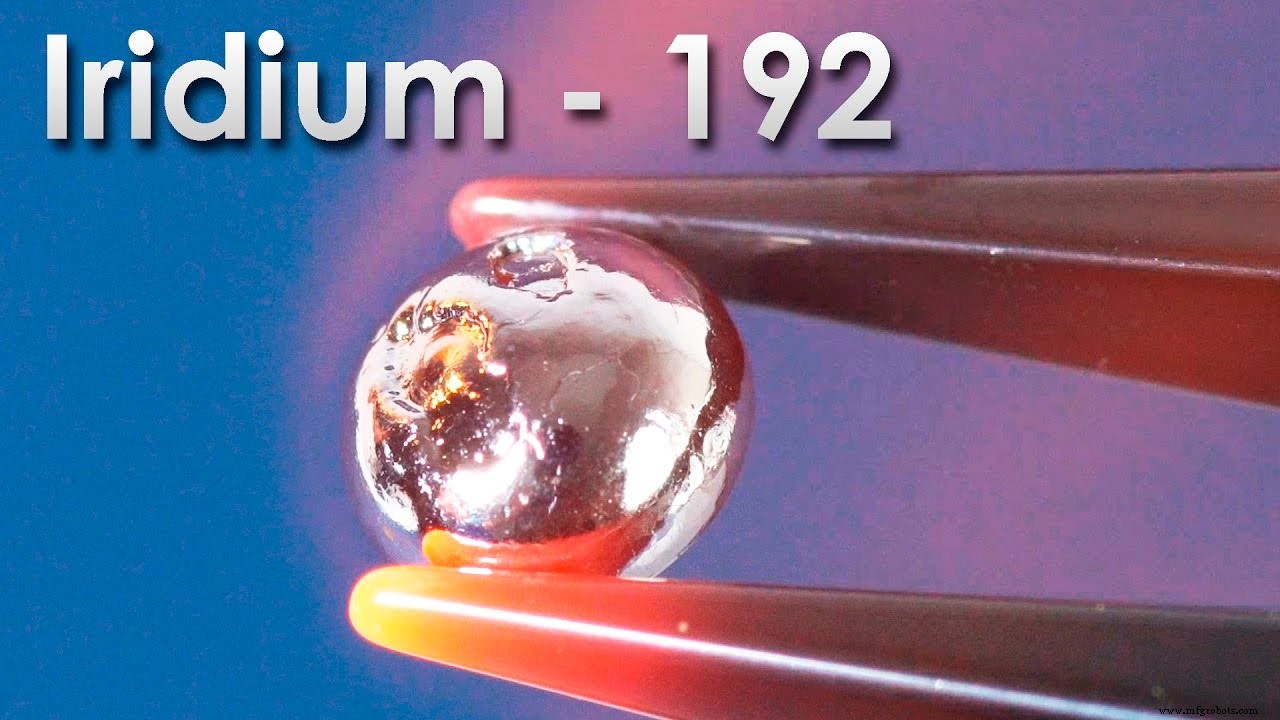
Iridium in Advanced Alloys
Alloys such as iridium–platinum and osmium–iridium combine iridium’s strength with the softness of platinum or the density of osmium. They exhibit low wear and exceptional resistance to arc erosion, which is why they are used in multi‑ported spinnerets for extruding polymer fibers like rayon and in precision bearings for compasses and balances.
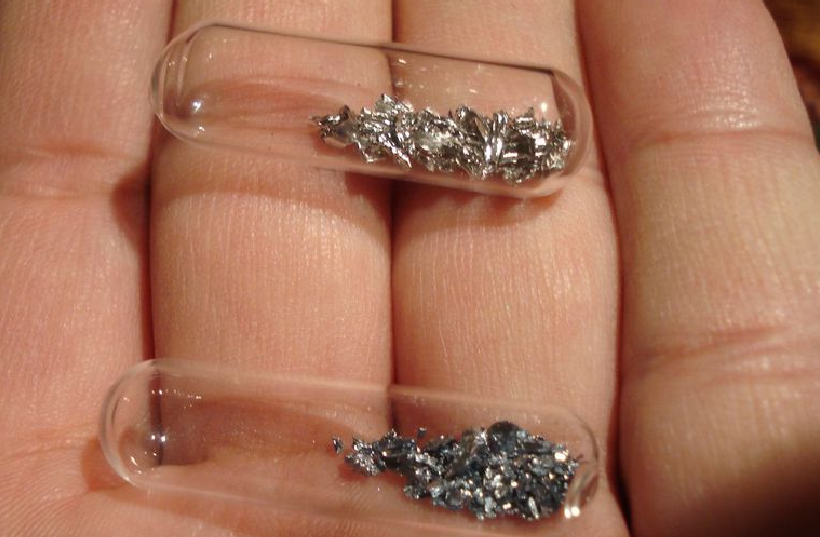
Iridium alloy applications in modern industry.
These alloys also find use in spark plug electrodes, especially in aviation, where reliability under high temperature and electrical load is critical.
Pure Iridium: Properties and Uses
While pure iridium is notoriously brittle and difficult to weld—heat‑affected zones can crack—adding tiny amounts of titanium or zirconium (around 0.2% each) can significantly improve ductility. This makes it suitable as a hardening agent in platinum alloys, raising Vickers hardness from 56 HV to over 500 HV when 50% iridium is added.
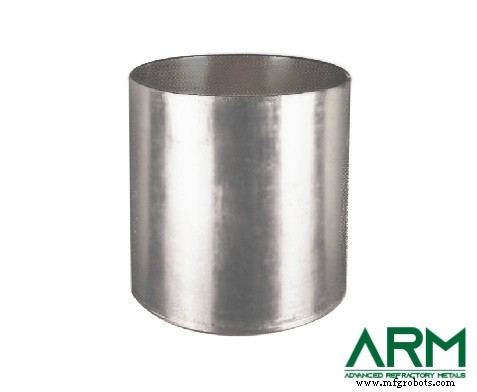
Its exceptional corrosion and heat resistance enable its use in long‑life aircraft engine components and deep‑water piping. High‑temperature iridium crucibles are essential for the Czochralski growth of oxide single crystals (sapphire, GdGG, YGG) used in memory devices and solid‑state lasers, operating up to 2100 °C.
Iridium compounds are key catalysts in the Cativa process, which converts methanol to acetic acid, and in the decomposition of hydrazine for low‑thrust rocket engines.
Radioisotope Applications
Iridium‑192, a gamma‑ray emitting isotope, is one of the primary sources for industrial radiography and medical brachytherapy. Its high energy photons are used to non‑destructively inspect metal parts and to treat cancers such as prostate, biliary duct, and cervical tumors.
Conclusion
Iridium’s unique combination of mechanical resilience and chemical stability continues to drive innovation across multiple high‑tech sectors. For deeper insight into iridium and other refractory metals, explore the resources at Advanced Refractory Metals (ARM).
Based in Lake Forest, California, ARM supplies high‑quality refractory metals—including tungsten, molybdenum, tantalum, rhenium, titanium, and zirconium—at competitive prices worldwide.
Metal
- How High‑Performance Refractory Materials Power Modern Industries
- Electrical Grounding Explained: Safeguarding Systems from Arcing and Fires
- How a Car Radiator Works: Inside the Cooling System
- Robotic Laser Welding: How It Works & Key Applications
- Understanding Overrunning Clutches: How They Operate and Why They Matter
- Understanding Turret Punching: How It Works and When to Use It
- How 3D Printers Operate: A Comprehensive Technical Overview
- How a 3D Pen Works: From Filament to Finished Model
- Understanding Modern Press Brakes: How They Operate and Shape Metal
- How a Two-Stage Pump Delivers Reliable Water Pressure