



Medical Tantalum Powders: 99%+ Purity, 2–3 µm D50, Superior Sintering for Bone Implants
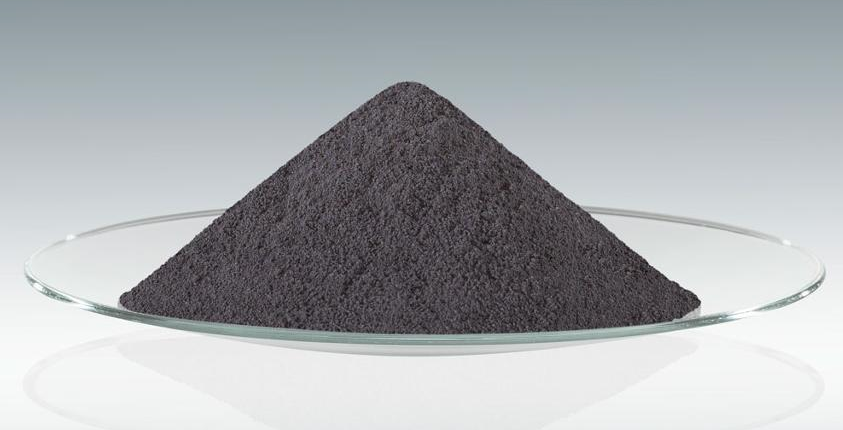
Tantalum Powders and Their Applications
Tantalum powders are dark‑gray, combustible metal powders known for their high density and superior thermal and electrical conductivity. These properties make them indispensable across a spectrum of industries, with medical applications being particularly prominent.
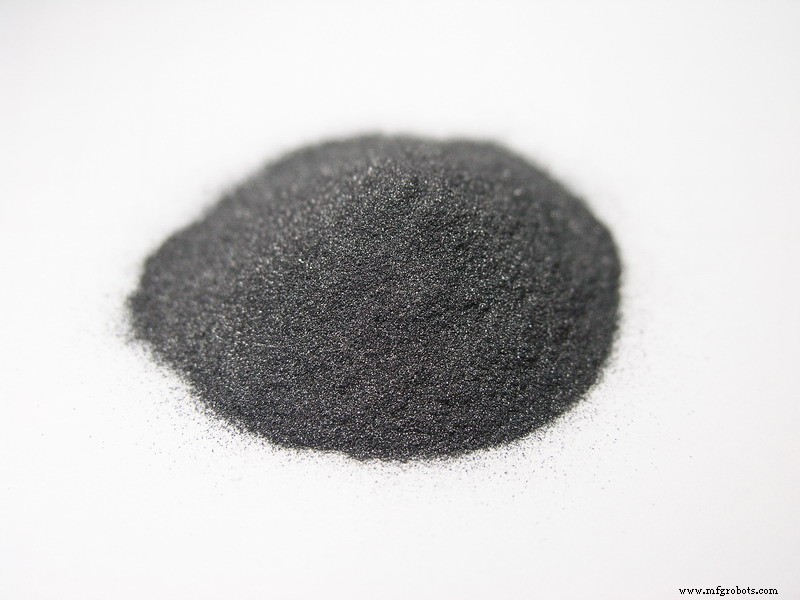
Tantalum Powders
- Tantalum capacitors and superalloys
- Tantalum mill products
- Next‑generation tantalum sputtering targets
- Alloy additives and high‑temperature or corrosive‑resistant coatings
- 3‑D printing feedstock
Medical‑Grade vs. Ordinary Tantalum Powder
Medical‑grade tantalum powder is produced to exceed 99 % purity, with an oxygen content below 1,000 ppm. The powder is typically spherical or nearly spherical, ensuring consistent flow and packing behavior during sintering.
These characteristics are critical for creating porous tantalum implants that exhibit high sintering strength, uniform pore architecture, stable mechanical properties, and outstanding biocompatibility—making them a top choice for orthopedic and craniofacial reconstruction.
In contrast, ordinary metallurgical‑grade tantalum powder often contains oxygen levels above 1,000 ppm and is available in a wide range of particle sizes (–100 mesh, –200 mesh, –325 mesh). The particle morphology can be spherical, flake‑like, dendritic, or porous, which is acceptable for general powder metallurgy but not for demanding biomedical applications.
Challenges in Producing Medical‑Grade Tantalum Powder
The particle shape and size distribution directly influence the sintering behavior and ultimate biocompatibility of porous tantalum implants. Irregular, highly angular particles increase the surface area, leading to elevated oxygen absorption during processing—an outcome that degrades mechanical strength and elevates sintering temperatures.
High oxygen content also causes uneven sintering, creating internal weak links and compromising the structural integrity of the final implant. Consequently, manufacturers face higher processing costs and stricter equipment requirements.
Traditional Production Methods vs. SAM’s Advanced Process
Conventional routes rely on ball or Raymond mills to generate powder, followed by classification. The rejection of oversized or undersized particles can reduce yield by 30 %–40 %, and additional labor and equipment depreciation add another 20 %–30 % to the cost.
Fluidized bed jet mills produce more complex particles with even higher oxygen content, further limiting their suitability for medical use.
Stanford Advanced Materials (SAM) employs a proprietary processing sequence that produces fine, spherical tantalum powder with a D50 of 2–3 µm, low oxygen (<1,000 ppm), and a narrow size distribution. These attributes translate into implants with superior sintering strength, uniform porosity, and reliable mechanical performance.
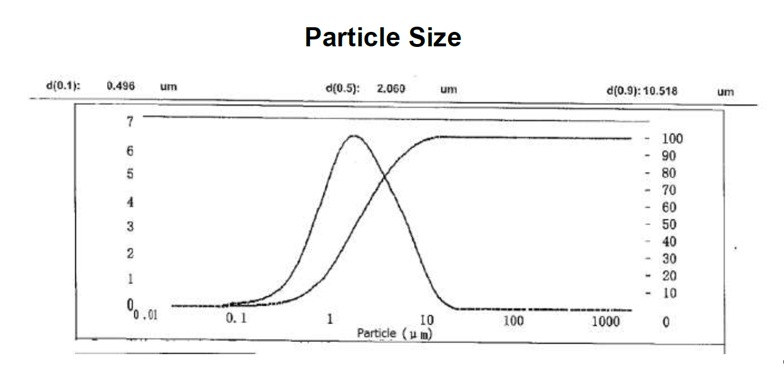
SAM offers stock D50 2–3 µm fine tantalum powder at competitive pricing. Contact us for detailed specifications and to discuss how our powders can enhance your medical implant portfolio.
Metal
- Tantalum Products Explained: Powder, Wire, Capacitors & Their High-Tech Applications
- High-Density Tungsten Alloy: The Optimal Choice for Medical Radiation Shielding
- How Tantalum Powder is Produced: Grades, Properties, and Manufacturing Techniques
- Tantalum Powder: Types, Properties, and Industrial Applications
- Revolutionizing Bone Implants: How 3D Printing Enhances Fit, Longevity, and Performance
- Application Spotlight: 3D Printing Transforms Bike Manufacturing
- Application Spotlight: 3D Printing Revolutionizes Bearing Design and Production
- Revolutionizing Footwear: 3D Printing Drives Innovation, Customization, and Faster Time to Market
- Ultra-Stretchable SiO₂/TiO₂ Triangular Wrinkle Nanostructures for Advanced Infrared Stealth
- Precision Machining for the Medical Industry: Driving Innovation & Growth