



Key Applications of Tungsten‑Copper (W‑Cu) Composites in High‑Performance Electronics and Power Systems
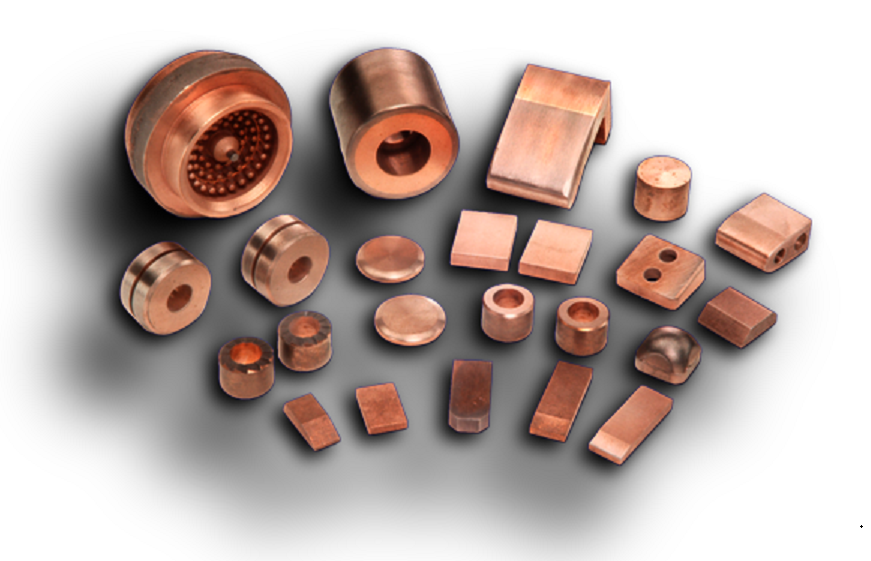
Key Applications of Tungsten‑Copper (W‑Cu) Composites
Tungsten‑copper composites combine the ultra‑high melting point of tungsten (W) with the exceptional electrical and thermal conductivity of copper (Cu). This unique blend makes W‑Cu a premier choice for demanding electrical contacts, high‑power electronic packaging, and precision electro‑discharge machining (EDM) electrodes.
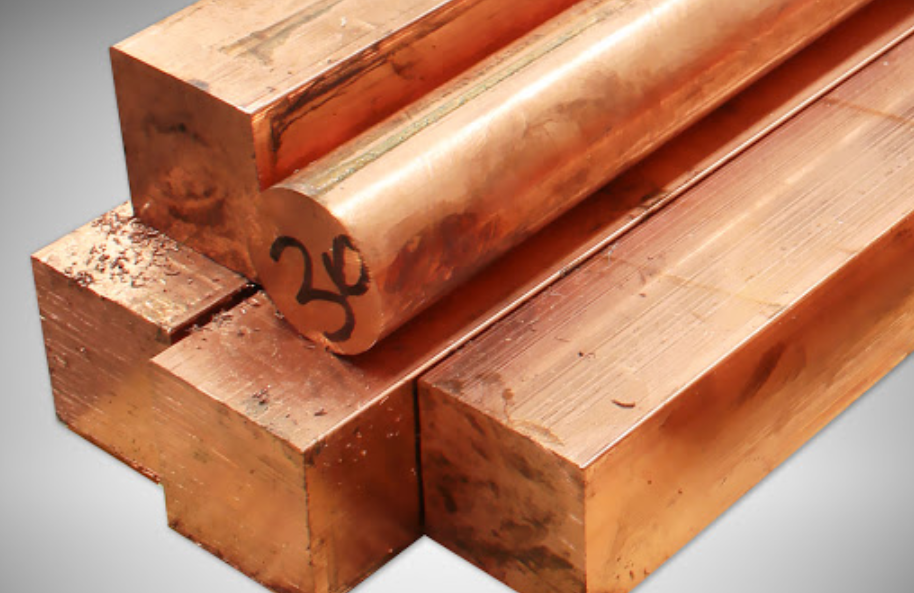
Main Applications of Tungsten‑Copper Composites (W‑Cu)
The high‑temperature performance of tungsten‑rhenium alloys has replaced platinum in many thermocouple applications, while tungsten‑copper wires serve as the electron source in household display tubes. Chromium, vanadium, and other alloying elements further enhance electron emission and durability for electron microscopy and glass coating.
W‑Cu retains tungsten’s hardness and the highest melting point among metals, and copper’s excellent conductivity. The resulting composite offers low thermal expansion, high arc‑corrosion resistance, and robust mechanical integrity—attributes that underpin its long history of use in EDM tools, resistance welding, and plasma electrode fabrication.
In the age of microelectronics, W‑Cu is integral to large‑scale integrated circuits and high‑power microwave devices, where heat dissipation and electrical stability are paramount.
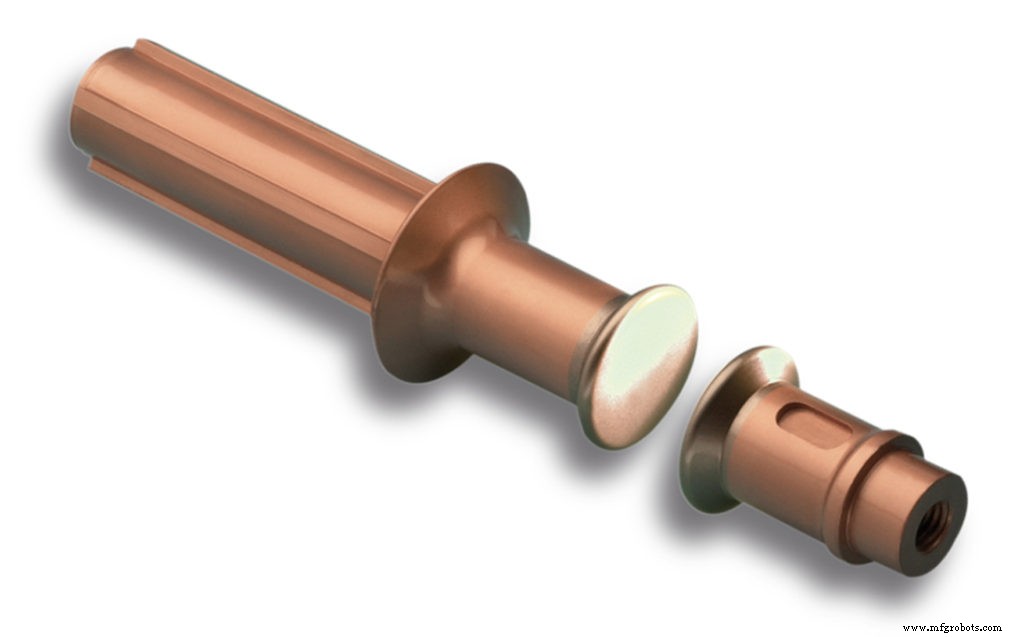
W‑Cu composite
W‑Cu Composites for High‑Voltage Electrical Contacts
With tungsten’s melting point of 3390–3430 °C far above copper’s boiling point (2350–2600 °C), the copper matrix effectively cools the tungsten skeleton during high‑temperature arc events. This “sweat” heat‑dissipation mechanism preserves contact integrity and ensures reliable breaking performance in high‑voltage and ultra‑high‑voltage (UHV) switches.
W‑Cu’s exceptional arc‑corrosion resistance, weldability, and voltage endurance make it the material of choice for open/close contacts in vacuum switches and next‑generation SF6‑extinguished high‑voltage appliances.
W‑Cu as a Heat‑Sink and Electronic Packaging Material
Modern IC packaging demands thermal conductivities of 170–190 W/(m·K) and precisely matched coefficients of thermal expansion (CTE) to silicon, gallium arsenide, and ceramic substrates. W‑Cu’s tunable thermophysical properties allow manufacturers to meet these stringent criteria while maintaining low manufacturing cost and ease of machining.
By directly forming components at the final size, W‑Cu enables miniaturization without compromising heat dissipation, thereby extending device lifespan and performance in high‑power electronics.
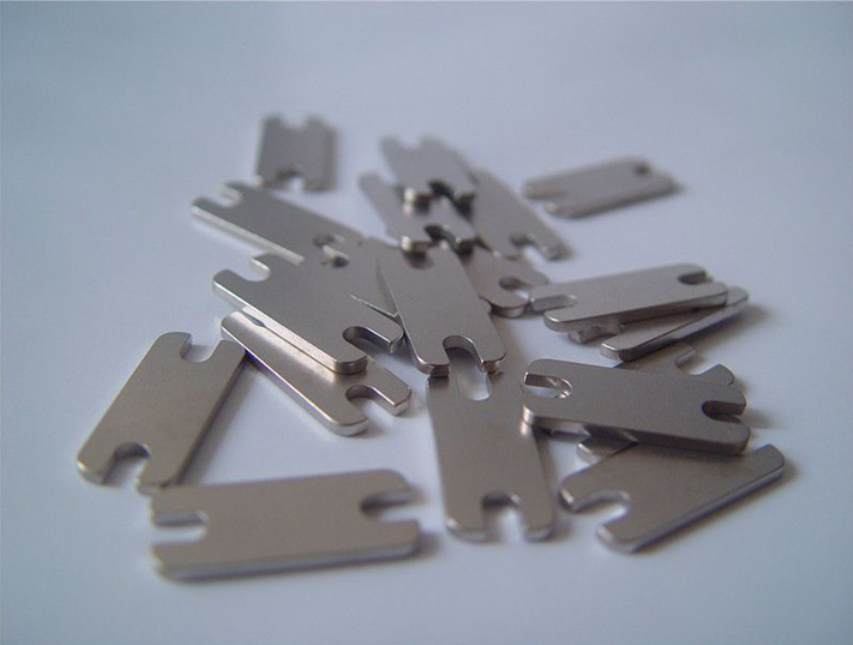
Electronic packaging with W‑Cu
W‑Cu in Precision Electrode Machining
Traditional copper or copper‑alloy electrodes suffer rapid erosion during EDM, leading to high material consumption and reduced machining accuracy. W‑Cu’s high heat resistance, superior electrical conductivity, and arc‑ablation tolerance dramatically extend electrode life and improve precision in complex machining tasks.
Summary
W‑Cu composites are indispensable in modern power electronics, high‑voltage systems, and advanced microelectronics. For more in‑depth information and high‑quality tungsten‑based components, visit Stanford Advanced Materials.
Metal
- Tungsten Crucibles: Features, Manufacturing Processes, and Key Industrial Applications
- Titanium Valves: Properties, Performance, and Key Applications
- Zirconium Dioxide (Zirconia): Key Properties & Industrial Applications
- Molybdenum and Its Alloys: Key Applications in Material Processing
- Top 3 Engineering Uses of Thermoset Composites
- How Aerospace Composites Are Shaping the Future of Flight
- Natural Fiber Composites: Fundamentals, Applications, and Future Potential
- Revolutionary Ultra-Strong, Lightweight Composites Set to Transform Multiple Industries
- Graphene‑Polymer Composites for High‑Performance Supercapacitors: A Comprehensive Review
- Sinker EDM vs Wire EDM: Key Differences & Applications Explained