



Zirconium Dioxide (Zirconia): Key Properties & Industrial Applications
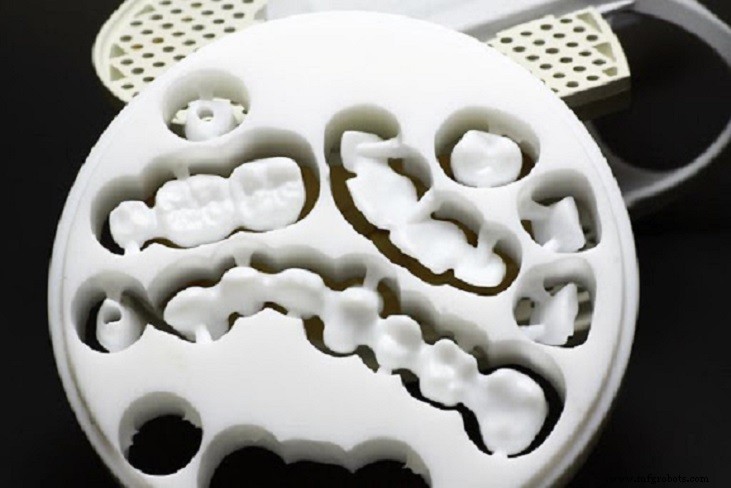
Zirconium Dioxide (Zirconia): Key Properties & Industrial Applications
Zirconium dioxide, commonly known as zirconia or zirconium oxide, is a non‑toxic, odorless white solid prized for its remarkable physical and chemical resilience. Its high melting point, chemical stability, and exceptional hardness make it indispensable across a spectrum of high‑performance applications—from aerospace to advanced ceramics.
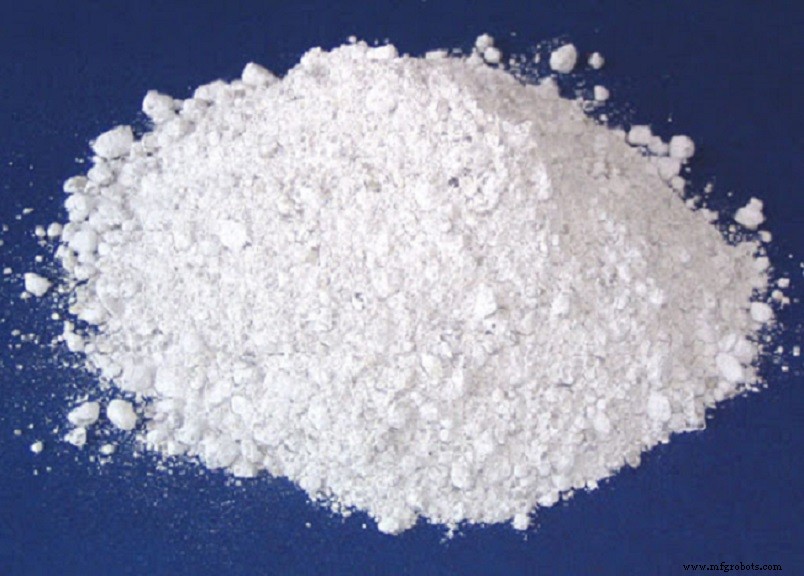
Zirconium Dioxide
Core Properties of Zirconium Dioxide
Zirconium dioxide is a dense, white powder that is insoluble in water but reacts mildly with strong acids: it dissolves in a 2:1 sulfuric acid‑to‑water mixture, slightly in hydrochloric and nitric acids, and slowly in hydrofluoric acid. Key physical characteristics include a relative density of 5.85 g/cm³, a melting point of 2,680 °C, a boiling point of 4,300 °C, and a hardness approaching that of diamond.
The material adopts a monoclinic crystal structure at room temperature, transitions to a tetragonal phase above 1,100 °C, and finally becomes cubic beyond 1,900 °C. These phase changes underpin its exceptional high‑temperature performance.
Industrial Applications
1. Refractory Materials
Zirconia fibers are polycrystalline refractory fibers that outperform traditional options such as alumina, mullite, and aluminosilicate fibers. They maintain structural integrity up to 2,200 °C, and even at 2,500 °C retain their shape, thanks to excellent chemical stability and resistance to oxidation and corrosion. These attributes make zirconia fibers among the most advanced high‑temperature materials globally.
2. Gas Turbines
Plasma‑sprayed zirconium dioxide thermal‑barrier coatings are now standard in aviation and industrial gas turbines. By reducing the temperature of air‑cooled high‑temperature components by 50–200 °C, these coatings significantly extend part life, enable higher combustion temperatures, or reduce cooling‑gas requirements—directly boosting engine efficiency.
3. Ceramic Materials
Owing to its high refractive index, melting point, and corrosion resistance, zirconia is a staple raw material in kiln furnaces, producing robust zirconium bricks and tubes for daily ceramics and precious‑metal smelting. Nanostructured zirconia serves as a matrix for abrasives, polishing agents, piezoelectric ceramics, precision ceramics, glazes, and high‑temperature pigments.
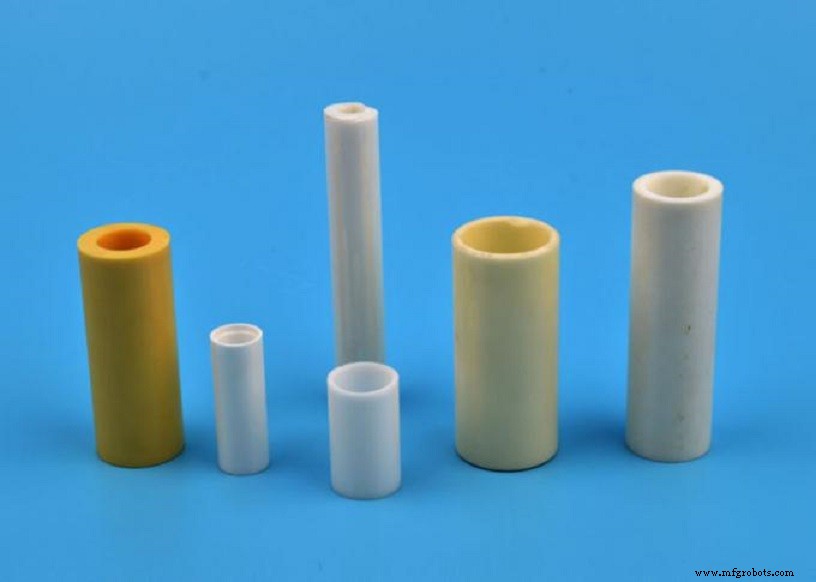
Zirconia Ceramics
4. Other Uses
Zirconia’s versatility extends to incandescent gas lamp shades, enamel, white glass, refractory crucibles, abrasive materials, and X‑ray photographic plates.
Conclusion
We hope this overview deepens your understanding of zirconium dioxide’s remarkable properties and its wide-ranging applications. For further insights into refractory metals, visit Advanced Refractory Metals (ARM).
Headquartered in Lake Forest, California, ARM is a global leader in manufacturing and supplying high‑quality refractory metals—including tungsten, molybdenum, tantalum, rhenium, titanium, and zirconium—at competitive prices.
Metal
- Tungsten–Copper Alloys: Key Properties, Manufacturing, and Applications
- Tungsten–Nickel–Iron Alloys: Properties, Applications, and Processing
- Molybdenum–Copper Alloys: Key Properties and Cutting‑Edge Applications
- Tantalum: Key Properties and Diverse Industrial Applications
- Tungsten–Nickel–Copper Alloys: Key Properties & Industry Applications
- TZM Alloy: Properties, Applications & Advanced Manufacturing Techniques
- Zirconium Applications: How This Rare Metal Shapes Modern Technology
- Top 10 Properties of Aluminium and Their Industrial Applications
- Aluminium Alloys Explained: Composition, Properties, and Key Applications
- Copper‑Nickel Alloys: Key Properties and Practical Applications