



Top 6 Applications of Beryllium in Modern Technology
Top 6 Applications of Beryllium in Modern Technology
Beryllium is a rare, lightweight metal celebrated for its exceptional properties: a low density, a high melting point, a large elastic modulus, superior tensile strength, excellent thermal performance, dimensional stability, a minimal neutron absorption cross‑section, and outstanding X‑ray transmission. As research continues worldwide, its range of industrial applications continues to expand. Below we highlight six of the most impactful uses of beryllium today.
1. Aerospace Engineering
The specific elastic modulus of beryllium—its Young’s modulus divided by its density—is at least six times greater than that of any other metal. Coupled with a density that is only one‑fifth that of steel, this makes beryllium ideal for high‑performance aerospace structures such as satellite frames, missile airframes, and satellite components that demand both strength and weight savings.
Its thermal attributes—high melting point, high specific heat, high thermal conductivity, and a controlled coefficient of thermal expansion—allow beryllium to withstand the extreme temperatures of rocket engines, aircraft brakes, and space shuttle landing gear, where direct heat absorption is critical.
2. Weapon Systems
In precision weaponry, weight and stiffness are paramount. Beryllium’s lightweight and high rigidity make it an excellent material for inertial navigation systems in missiles and submarines, where precise guidance is essential.
3. Nuclear Industry
Beryllium’s neutron economy and low absorption cross‑section enable its use as a reflector or shielding material in certain fission reactors, enhancing neutron utilization. Research is also underway to employ beryllium as a lining in fusion reactor vessels, offering advantages over graphite in terms of neutron activation and thermal stability.
4. Audio Amplification
The speed of sound in beryllium exceeds that of most metals, raising the resonant frequency of drivers. This property translates into high‑fidelity loudspeakers that can reproduce a broader high‑frequency range with reduced distortion.
5. Alloy Development
Beryllium‑Copper Alloys
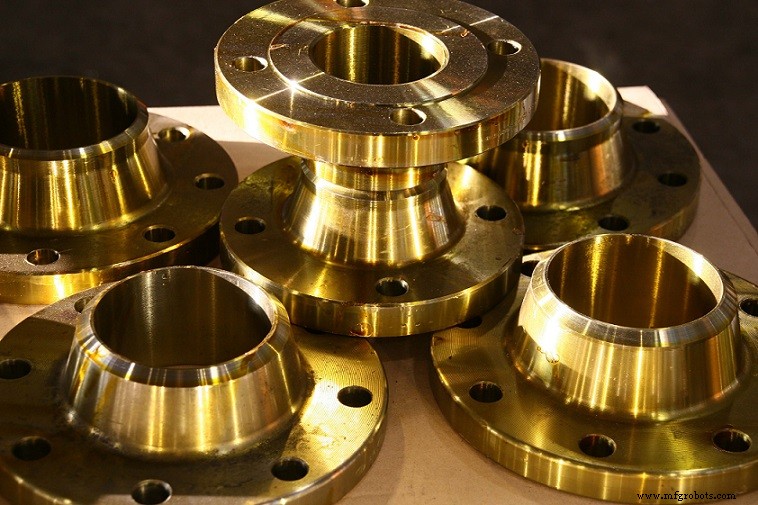
By alloying approximately 2 % beryllium with copper, manufacturers produce alloys with twice the strength of conventional copper alloys while retaining excellent electrical and thermal conductivity. These alloys are non‑magnetic, spark‑free, and highly machinable, making them indispensable in high‑precision electrical connectors and aerospace hardware.
Beryllium‑Copper Alloys
Beryllium‑Nickel Alloys
Alloys such as NiBeTi and NiBeMg combine ultra‑high strength, elasticity, and electrical conductivity with a temperature tolerance that exceeds standard beryllium‑copper by 250–300 °C. These materials are suited for precision components in aviation instruments, electronic assemblies, and high‑temperature applications.
Beryllium‑Aluminum Alloys
Recent breakthroughs from Brush Wellman in the United States have yielded beryllium‑aluminum alloys that offer superior strength and stiffness. These alloys are already being explored for aerospace structural parts, high‑performance horn housings, and advanced sporting goods such as tennis rackets and racing car components.
6. Beryllium Oxide (BeO)
BeO is a white ceramic that, while visually similar to alumina, serves as an excellent electrical insulator with remarkable thermal conductivity. It is commonly used as a high‑temperature insulating material in electronic devices. Moreover, BeO has found niche applications in high‑power laser systems, particularly argon lasers, where its thermal properties help manage the increased heat load.
Conclusion
Beryllium’s unique combination of mechanical, thermal, and electrical properties makes it indispensable across high‑tech sectors, from aerospace to nuclear energy. Its continued development promises further performance gains in the next generation of advanced technologies.
Thank you for exploring the world of beryllium with us. For deeper insights and high‑quality refractory metal solutions, visit Advanced Refractory Metals (ARM), headquartered in Lake Forest, California. ARM is a global leader in refractory metal manufacturing and supply, delivering premium products at competitive prices.
Metal
- Molybdenum Plates: Key Applications & Benefits
- 5 Key Applications of Beryllium Copper Alloys
- Top Applications of Tungsten: From High‑Strength Alloys to Advanced Electronics
- 7 Common Metals and Their Everyday Applications
- The Strategic Applications of Rhenium: From Catalysts to Aerospace
- Monel Nickel Alloys: Key Aerospace Applications & Performance
- Phosphor Bronze: Key Applications and Advantages
- Aluminium: Key Properties & Common Uses Explained
- High-Frequency Grade Electrical Steel – 0.20 mm Thin Gauge (EN 10303:2015 Compliant)
- Exploring the Versatile Applications of Waterjet Cutting Technology