



7 Common Metals and Their Everyday Applications
7 Common Metals and Their Everyday Applications
Metal alloys are integral to modern life, from the steel beams that hold our buildings to the copper wires that carry our electricity. Below is a concise guide to seven of the most widely used metals, highlighting their key properties and typical applications.
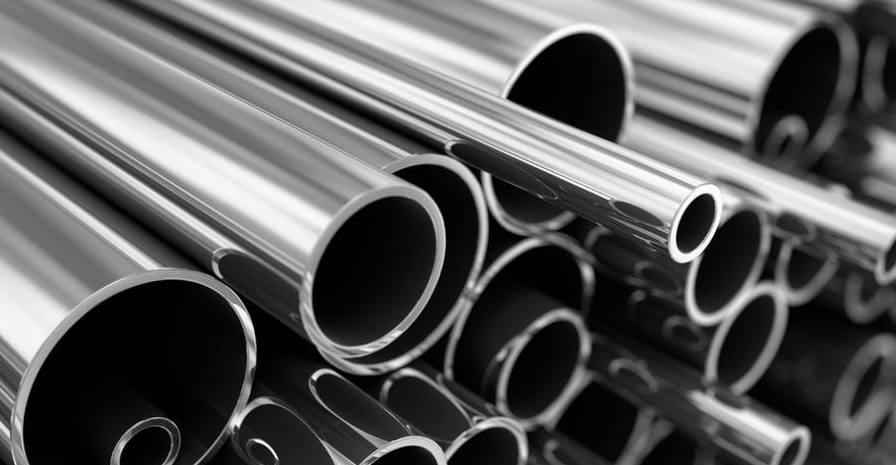

Common Metal Materials
1. Cast Iron
Cast iron is a group of iron‑silicon alloys that contains carbon in the form of graphite and iron carbide. Its high carbon content gives the material excellent fluidity during casting, while the graphite network provides outstanding wear resistance.
In infrastructure, cast iron is a common choice for sewer covers, manhole plates and structural components of bridges. A protective asphalt coating is usually applied to the surface during manufacturing to inhibit rust and extend service life.
Typical Uses
Beyond civil engineering, cast iron remains popular in cookware, heat exchangers and automotive components thanks to its toughness and cost‑effectiveness.
2. Stainless Steel
Stainless steel is an alloy that typically contains 18% chromium and 10% nickel (the 18/10 grade), though grades vary from austenitic to martensitic. Chromium forms a passive oxide film that resists corrosion, while nickel enhances ductility and toughness.
First adopted in the early 20th century, stainless steel quickly revolutionised product design, from medical instruments to consumer appliances. Today, austenitic grades dominate household items, ferritic grades are common in appliances, and martensitic grades are preferred for tools and turbine blades.
Typical Uses
Common household appliances, kitchenware, architectural façades, industrial piping and medical devices all rely on stainless steel’s durability and hygiene.
3. Aluminum
Discovered in the 18th century and extracted from bauxite, aluminum is the world’s most abundant metal by mass. Its low density, high strength‑to‑weight ratio and excellent corrosion resistance make it ideal for transport and packaging.
Aluminum alloys are used extensively in vehicle chassis, aircraft frames, kitchen utensils, and structural elements such as the Eros statue in London and the Chrysler Building in New York.
Typical Uses
Automotive bodies, aircraft components, aerospace frames, consumer electronics, and packaging materials all benefit from aluminum’s lightweight and resilience.
4. Magnesium Alloy
Magnesium is the third lightest structural metal, and when alloyed it delivers high specific strength and good damping. Extracted largely from seawater, magnesium supplies a stable raw‑material source.
Historically reserved for aerospace and military applications due to cost, magnesium alloys are now widespread in automotive, electronics, and mobile communications sectors. They are expected to grow as alternative lightweight solutions become more economical.
Typical Uses
Automotive housings, mobile phone chassis, camera bodies, and aerospace components are common examples of magnesium alloy use.
5. Copper
Copper, the second most abundant metal, is prized for its electrical conductivity—second only to silver. Its natural antimicrobial properties also make it suitable for plumbing and medical equipment.
From ancient tools to modern electronics, copper remains indispensable in wiring, printed circuit boards, heating elements, roofing, plumbing, and decorative alloys like bronze.
Typical Uses
Electrical wiring, motors, transformers, HVAC components, cookware, jewelry, and bronze alloys.
6. Chromium
Chromium is primarily added to steel alloys to increase hardness and corrosion resistance. In surface engineering, chromium is applied as decorative, hard, or black chrome plating.
Decorative chrome plating (0.006 mm thick) provides a mirror‑like finish for automotive trim, faucets and kitchenware. Hard chrome plating offers wear resistance for mechanical parts, while black chrome is favored for musical instruments and solar panels.
Typical Uses
Automotive door handles, industrial tools, household fixtures, musical instruments, and renewable‑energy components.
7. Titanium
With a density roughly half that of steel and a strength comparable to it, titanium combines low weight with exceptional corrosion resistance. Its melting point is close to platinum, making it suitable for high‑temperature aerospace and defense parts.
Titanium’s biocompatibility makes it the material of choice for medical implants, while its strength and aesthetic appeal are exploited in sporting goods, high‑end electronics and structural aerospace components.
Typical Uses
Aircraft airframes, rocket engine casings, surgical implants, golf clubs, laptops, cameras, marine equipment, and even as a white pigment in paints.
Conclusion
Metals shape the world around us, each with distinct properties that match specific applications. For deeper insight into advanced refractory metals—tungsten, molybdenum, tantalum, rhenium, titanium and zirconium—visit Advanced Refractory Metals (ARM), a leading supplier headquartered in Lake Forest, California.
Metal
- Expert Guide to Metal 3D Printing Materials: Steel, Superalloys, Titanium, Copper, and Aluminum
- Effective Stainless Steel Cleaning & Passivation: Protect Against Rust & Corrosion
- Steel vs. Stainless Steel: Choosing the Right Metal for Your Project
- Stainless Steel Metal Stamping: Precision & Durability
- Top Stainless Steel Applications Across Key Industries
- Choosing the Right Metal: Inconel vs. Stainless Steel for Industrial Applications
- Choosing Between Stainless Steel and Carbon Steel for Metal Fabrication: A Practical Guide
- Explore Common Metal Types: Properties, Uses, and Key Characteristics
- Five Key Uses of Structural Steel in U.S. Construction
- Top Metals for Fabrication: Strength, Conductivity & Corrosion Resistance