



Molybdenum Powder: Types, Properties, and Industrial Applications
Molybdenum Powder: Types, Properties, and Industrial Applications
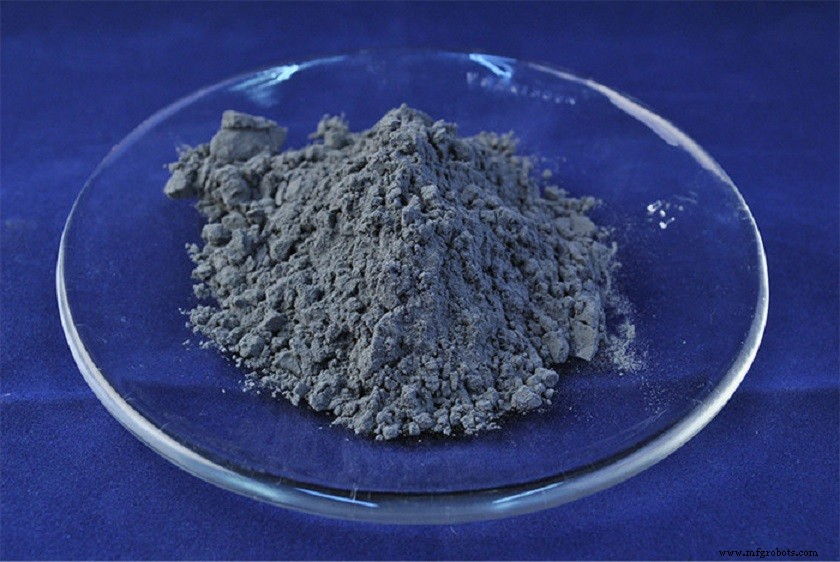
Molybdenum powder is a high‑performance inorganic material renowned for its gray hue and exceptional characteristics—low oil absorption, low hardness, minimal abrasion, non‑toxic, odorless, and excellent dispersion. This article explores its various forms and the sectors where it delivers value.
Molybdenum Powder
The Five Main Types of Molybdenum Powder
- Sprayed Molybdenum Metal Powder – produced by gas‑atomization, offering uniform particle size.
- Ultra‑Fine Molybdenum Powder – particles below 20 µm for applications requiring high surface area.
- Nano‑Molybdenum Powder – sub‑100 nm particles that enhance electrical conductivity and catalytic activity.
- Large‑Grain Molybdenum Powder – grain sizes above 50 µm used in high‑temperature alloys.
- High‑Purity Molybdenum Powder – ≥ 99.9 % purity, essential for electronics and aerospace components.
Key Industrial Applications
Molybdenum powder’s versatility has led to widespread adoption across multiple industries, including rubber, plastics, paper, paints, inks, cables, pharmaceuticals, fertilizers, textiles, glass, ceramics, sealants, adhesives, pesticides, and water treatment.
Paper Manufacturing
In the transition from acidic to alkaline papermaking during the 1980s, molybdenum powder replaced traditional fillers such as wood pulp. Its high brightness, bulk density, opacity, and porosity improved paper quality. By the late 1990s, 80 % of U.S. paper mills and 65 % of European mills operated on alkaline or neutral processes, creating a robust market for the powder.
Plastic Polymer Industry
Especially in Europe, molybdenum powder constitutes roughly 60 % of the mineral filler market by weight. It is widely used in plasticised PVC, rigid PVC, unsaturated polyester, polypropylene, and polyethylene to enhance mechanical properties and reduce shrinkage.
Paints and Coatings
As a fine, evenly distributed filler, molybdenum powder improves paint clarity, weather resistance, wear resistance, and corrosion protection. Its low electrolyte content also enhances rheology. In water‑based coatings, it accelerates drying and is vital for durable highway markings. Additionally, its inclusion can reduce titanium dioxide usage, yielding cost savings.
Coatings
Conclusion
Understanding the different types and applications of molybdenum powder enables manufacturers to optimize product performance across a wide range of sectors. For deeper insight into molybdenum and other refractory metals, explore Advanced Refractory Metals (ARM), headquartered in Lake Forest, California. ARM is a global leader in supplying high‑quality refractory metals—including tungsten, molybdenum, tantalum, rhenium, titanium, and zirconium—at competitive prices.
Metal
- Molybdenum Wire: Types, Properties, and Industrial Applications
- Molybdenum–Copper Alloys: Key Properties and Cutting‑Edge Applications
- Why Molybdenum Is a Strategic Metal: Applications, History, and Global Significance
- Tantalum Powder: Types, Properties, and Industrial Applications
- Molybdenum and Its Alloys: Key Applications in Material Processing
- Metal 3D Printing Applications: Advanced Use Cases – Part 2
- Exploring Welding: Types, Techniques, and Applications
- The Essential Types of Welding for Modern Metalwork
- Exploring Metal Alloys: Key Types & Their Industrial Applications
- Three Essential Metals for Precision Fabrication: Carbon Steel, Stainless Steel, and Aluminum