



Tantalum Products Explained: Powder, Wire, Capacitors & Their High-Tech Applications
Tantalum Products Explained: Powder, Wire, Capacitors & Their High-Tech Applications
Tantalum is renowned for its exceptional properties—high melting point, low vapor pressure, excellent cold workability, outstanding chemical resistance, and a highly insulating surface oxide film. These attributes make it indispensable in sectors such as electronics, aerospace, defense, automotive electronics, and advanced research. Below we profile three common tantalum products and illustrate their pivotal roles in modern technology.
Common Tantalum Products and Their Applications
1. Tantalum Powder
Tantalum powder—produced by atomization or mechanical comminution—forms a dense, unidirectional conductive oxide layer. This layer endows the powder with a resistivity of 7.5×10¹⁰ Ω·cm, a dielectric constant of 27.6, and minimal leakage current. Its robust chemistry allows operation from –80 °C to 200 °C, delivering high reliability, vibration tolerance, and extended service life.
The powder is the core material for high‑performance electrolytic capacitors, where the capacitance can exceed five times that of conventional capacitors of the same footprint. Military and aerospace systems—missiles, space vehicles, defense electronics—depend on these capacitors for their superior stability and low loss.
2. Tantalum Wire
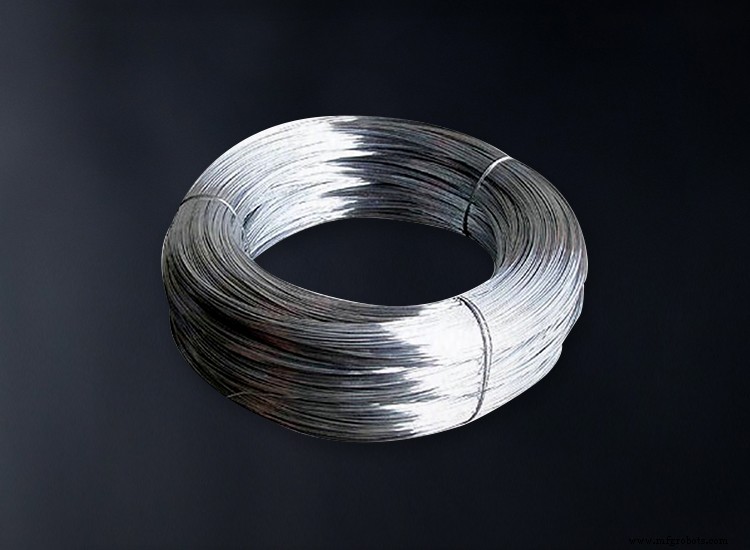
By rolling and drawing tantalum powder into fine wire, manufacturers create a material that is highly resistant to oxygen embrittlement. Tantalum wire is the primary component for the anode leads in electrolytic capacitors and the conductors in tantalum foil capacitors, which can withstand temperatures up to 100 °C and withstand flash voltages as high as 350 V in aggressive electrolytes like potassium dichromate and sulfuric acid.
Beyond capacitors, tantalum wire serves as a vacuum electron cathode, an ion sputtering target, and a material for high‑precision spraying, thanks to its excellent emissivity and resistance to high‑temperature corrosion.
3. Tantalum Capacitor
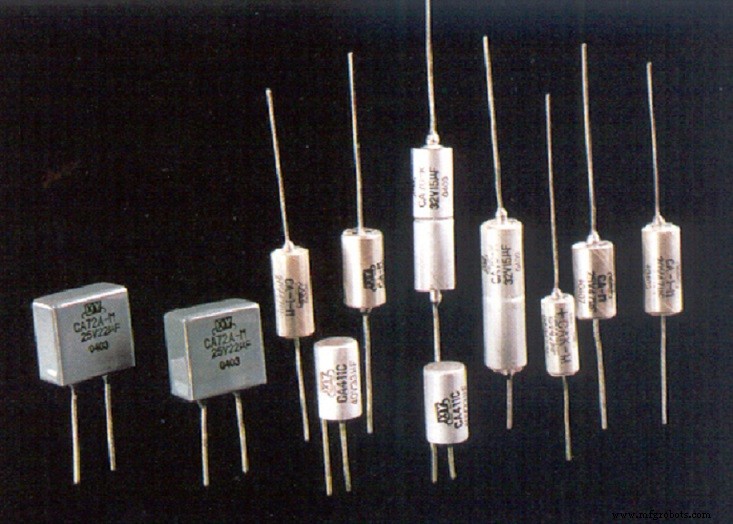
Tantalum capacitors are fabricated by sintering fine tantalum powder with dielectric media—using either dry or wet powder molding processes. The inherent metal properties produce capacitors that are stable across temperature swings, maintain capacitance over time, and offer low equivalent series resistance.
These capacitors are chosen for applications where ceramic capacitors fall short, such as high‑frequency filtering, decoupling in power electronics, and critical timing circuits in aerospace and defense systems.
Conclusion
We hope this overview clarifies how tantalum’s unique chemistry translates into tangible performance gains across cutting‑edge industries. For deeper technical insights or to source high‑grade tantalum materials, explore Advanced Refractory Metals (ARM), a global leader headquartered in Lake Forest, California.
ARM supplies premium refractory metals—tantalum, molybdenum, rhenium, tungsten, titanium, and zirconium—at competitive prices, backed by decades of industry expertise.
Metal
- How Tantalum Powder is Produced: Grades, Properties, and Manufacturing Techniques
- Tantalum: Key Properties and Diverse Industrial Applications
- Tantalum Powder: Types, Properties, and Industrial Applications
- Tantalum Capacitors: Key Characteristics & Applications
- 13 Types of Refractory Materials and Their Key Industrial Applications
- Molybdenum and Its Alloys: Key Applications in Material Processing
- Special Oxide Refractories: Types, Applications, and Industrial Benefits
- Top 5 Sheet Metal Forming Techniques and Their Key Applications
- Essential PCB Components & Their Applications: How They Drive Modern Electronics
- Exploring Hot and Cold Chamber Die Casting: Types, Applications, and Advantages