



Zirconium in Nuclear Reactors: The Essential Cladding Metal
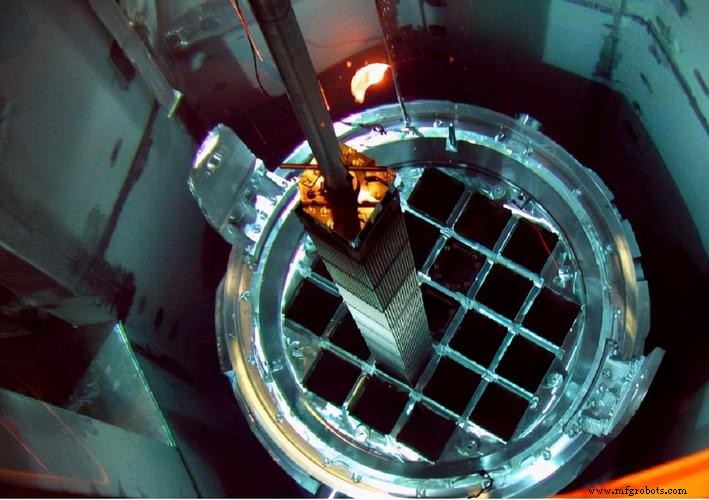
Zirconium is a silver‑gray transition metal prized for its malleability, ductility, and exceptional corrosion resistance. These traits make it a cornerstone in high‑corrosion environments such as piping, heat exchangers, and fittings. Beyond the nuclear sector, zirconium alloys appear in steel grades, ceramic glazes, abrasives, lamp filaments, and even artificial gemstones.
In nuclear power, zirconium alloys are indispensable as fuel‑rod cladding and structural components. Their low neutron‑capture cross‑section and robust mechanical properties keep the reactor core safe and efficient.
Processing of Zirconium
Zirconium is rarely found in pure form. Most ores also contain 1.5–2.5 % hafnium, a neighbor on the periodic table with a high thermal neutron capture cross‑section. Hafnium must be removed before the material can be used for nuclear applications. The processing sequence is complex because zirconium reacts readily with oxygen, requiring careful control of the environment.
Zirconium Alloy Composition
Commercial nuclear‑grade zirconium alloys typically contain 95 % zirconium, with less than 2 % of alloying elements such as tin, iron, chromium, and nickel. These additions enhance corrosion resistance and mechanical strength while keeping neutron absorption minimal.
Cladding Functionality
Cladding is the outer sheath that surrounds each cylindrical fuel pellet in a reactor. It sits between the fuel and the coolant, acting as a barrier against fission‑product release. Zirconium’s low thermal‑neutron absorption cross‑section (<0.06 b) and high resistance to heat‑induced corrosion make it the material of choice for this critical role.
When used as cladding, zirconium prevents the escape of radioactive isotopes such as xenon, iodine, krypton, cesium, strontium, and technetium into the reactor coolant, thereby maintaining core integrity and reducing radiation exposure to the primary circuit.
Water‑Cooled Reactor Applications
The most common zirconium alloy in water‑cooled reactors is the zircaloy family, where tin is the principal alloying element. Zircaloy offers excellent mechanical performance and maintains corrosion resistance up to the operating temperatures of light‑water reactors (≈ 300 °C).
Oxidation Behavior
Research has examined zirconium oxidation in water at temperatures from 300 °C up to 800 K. At 300 °C, water reacts with zirconium to form a protective solid oxide layer. The oxidation rate depends on oxygen pressure and water vapor concentration, informing safety analyses for potential accident scenarios.
Why Zirconium Matters
Without robust cladding, fuel rods could rupture, releasing fission products into the coolant and compromising reactor safety. Zirconium alloys enable higher fuel burn‑ups, lower failure rates, and overall improved reactor performance, securing their place as the top cladding choice for both civilian and military reactors worldwide.
Metal
- Molybdenum in Medicine: Advanced Applications in Breast Imaging and Bone Repair
- 4 Key Applications of Hafnium: From Electronics to Aerospace
- Zirconium Applications: How This Rare Metal Shapes Modern Technology
- Why Zirconium Is Essential for Nuclear Reactor Safety and Efficiency
- Zirconium Metal: The Industrial Powerhouse
- Zirconium: From Ancient Gem to Modern Metal—A Historical Overview
- Honing 101: A Beginner’s Guide to Precision Surface Finishing
- Master Python REPL: Quickly Access the Last Result Using the Underscore
- Why Used Manufacturing Robots Deliver Cost Savings and Reliability
- Maximize Efficiency & Cut Costs with Proven Used Robot Systems