



How New Technologies Are Transforming Refractory Materials
How New Technologies Are Transforming Refractory Materials
Refractory materials, the backbone of high‑temperature processes, underpin sectors such as steel, glass, cement, ceramics, petrochemicals, and defense. As industry demands stricter performance and cost efficiency, cutting‑edge techniques—nanotechnology, in‑situ synthesis, self‑propagating high‑temperature synthesis (SHS), and functional gradient materials (FGM)—are redefining how these materials are engineered.
How New Technologies Are Transforming Refractory Materials
Nanotechnology (NT)
The core of nanotech in refractories lies in incorporating nano‑scale powders. Introducing high‑purity α‑Al2O3 nanopowder alongside conventional α‑Al2O3 dramatically accelerates solid‑state sintering, yielding denser, tougher components. In MgO‑C composites, nano‑carbon replaces flake graphite or forms reinforcing nano‑fibers, boosting strength and thermal stability.
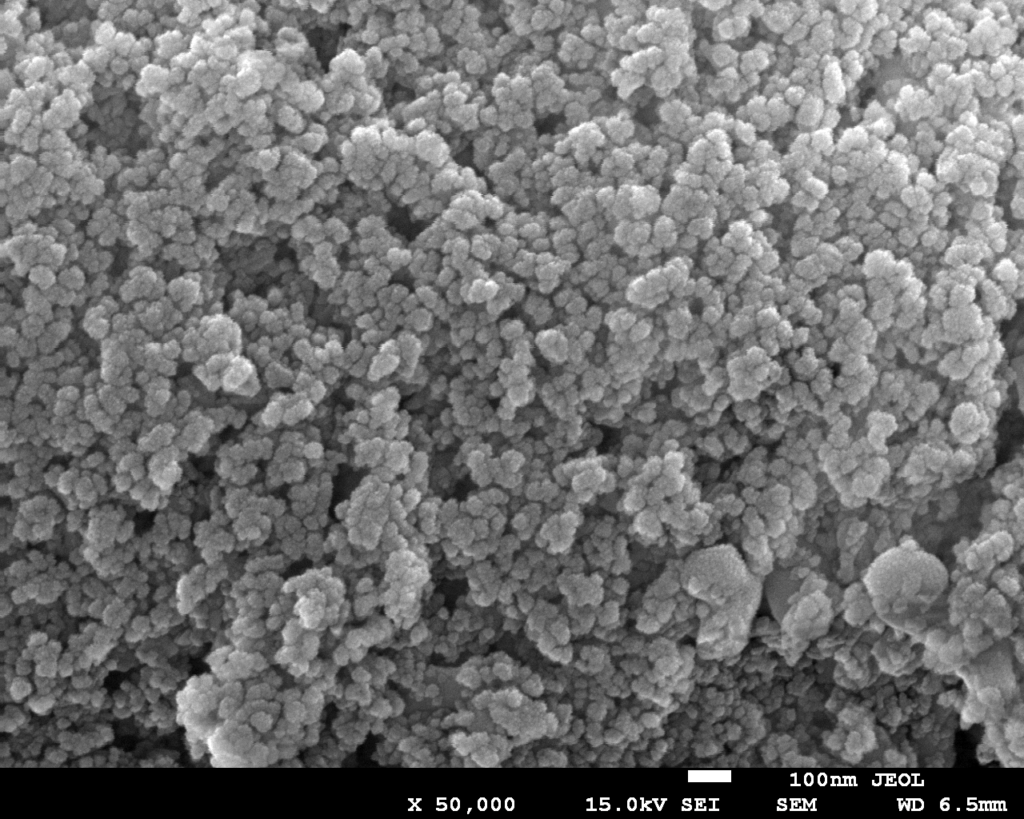
α‑Al2O3 nanopowder
In‑Situ Synthesis
This method generates reinforcing second phases directly within the matrix, eliminating interfacial defects and cutting material costs. For example, SiC whiskers formed in‑situ within an Al2O3‑C matrix significantly increase fracture toughness and high‑temperature strength.
Self‑Propagating High‑Temperature Synthesis (SHS)
SHS enables the creation of refractory components from raw mixes like magnesite, dolomite, and chromite. The exothermic reaction forms dense, high‑temperature‑resistant structures ideal for aluminum smelting linings. Additionally, SHS can weld separate refractory segments by interpenetrating reactive layers.
Functional Gradient Materials (FGM)
FGMs feature continuous variation of composition and microstructure, tailored to counteract thermal gradients and expansion mismatches. In practice, multi‑layer linings and nozzle assemblies are engineered with graded phases to balance thermal shock resistance and mechanical integrity while keeping production costs in check.
Conclusion
These innovations collectively elevate refractory performance, extending service life and reducing operational expenses. For deeper insights into refractory technology, explore Advanced Refractory Metals (ARM), a California‑based leader in high‑quality refractory metals.
Metal
- How Signage Technology Drives Business Growth & Innovation
- Evonik Opens State‑of‑the‑Art 3D Printing Center in Austin to Advance Structured Polymer Technologies
- NPE2018 Highlights: Industry 4.0 Innovations Powering the Future
- Harnessing IoT to Protect the Planet: Proven Success Stories
- Is New Tech Worth Your Investment? A Practical Guide to Smart Decisions
- How Emerging Technologies Are Reshaping Modern Workplaces
- The Future of Cruising: How IoT Is Transforming the Passenger Experience
- Revolutionizing Automotive Operations: How IoT Drives Efficiency and Oversight
- How Technology is Transforming Tomorrow's Manufacturing
- Upgrade Your Factory: Why Now Is the Best Time to Invest in New Manufacturing Tech