



Tungsten: The Backbone of Modern Aerospace Innovation
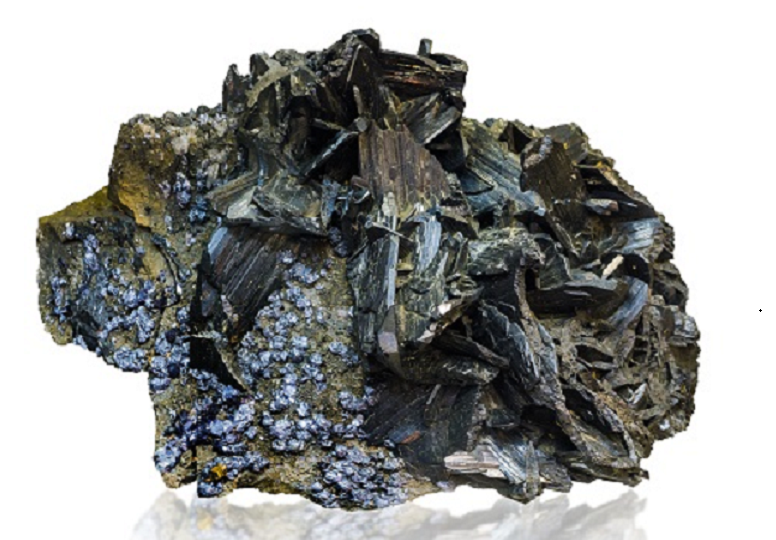
Tungsten: The Backbone of Modern Aerospace Innovation
In today’s era of global collaboration, the aerospace sector stands as a testament to a nation’s technological prowess, defense capability, and economic strength. A key enabler of this progress is tungsten metal, whose exceptional physical and chemical properties meet the rigorous demands of spaceflight.
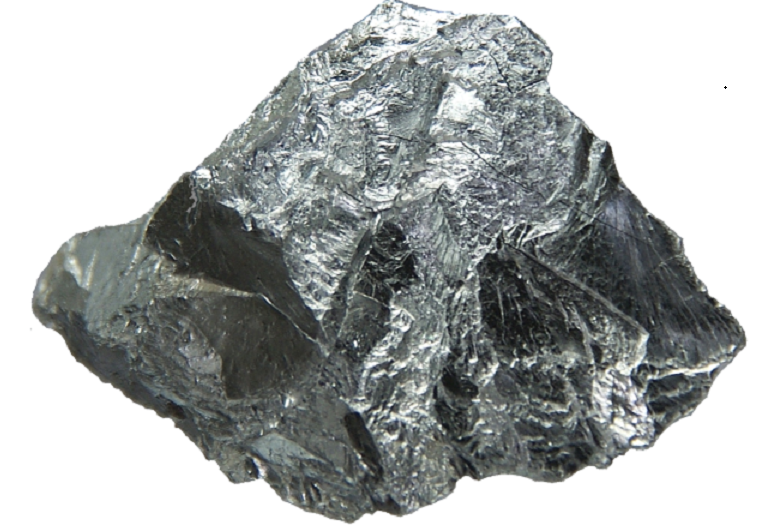
Tungsten Metal
Tungsten boasts the highest melting point among metals, with a density of 19.3 g/cm³, a modulus of elasticity of 400 GPa, a very low coefficient of thermal expansion, and minimal vapor pressure. When alloyed with elements such as rhenium, nickel, or copper, it gains outstanding abrasion resistance, corrosion resistance, electrical conductivity, and thermal conductivity.
The design and safety of aerospace systems hinge on the material properties of their components. Tungsten’s high strength, heat resistance, and dimensional stability make it indispensable for satellites, aircraft, and propulsion systems.
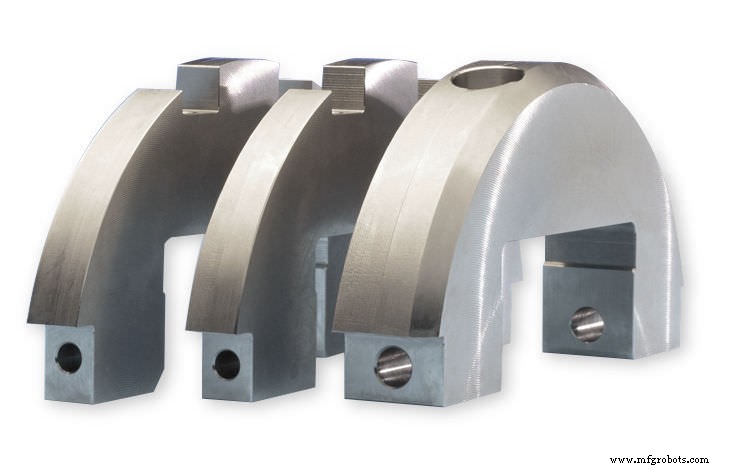
Tungsten Balance Weights
Tungsten alloy is the preferred rotor material for gyroscopes—the core of navigation and control systems in satellites, rockets, missiles, aircraft, submarines, and torpedoes. A heavier, stable rotor enhances precision, and tungsten alloy’s high density and stiffness achieve this without compromising performance.
Beyond gyroscopes, tungsten and its alloys serve in uncooled rocket nozzles, ionic ring electrodes for electric propulsion, jet blade components, thermal gas reflectors, and gas rudders. Replacing molybdenum with tungsten in solid‑rocket motor casings and throat linings raises the operational temperature limit from 1760 °C to 1760 °C or higher, allowing more efficient combustion.
Notably, the Polaris A‑3 missile and the Apollo launch vehicle both employed high‑temperature tungsten nozzles. The tungsten‑copper (W‑Cu) composite can endure temperatures exceeding tungsten’s melting point of 3400 °C, making it ideal for rocket engine baffles and hypersonic aircraft leading edges.
The United States’ United Technologies Center produced a boron‑coated tungsten wire featuring high strength, low density, and exceptional stiffness—suitable for rocket casings and spacecraft skeletons. High‑purity tungsten rods also find widespread use in rockets, satellites, airplanes, and naval vessels.
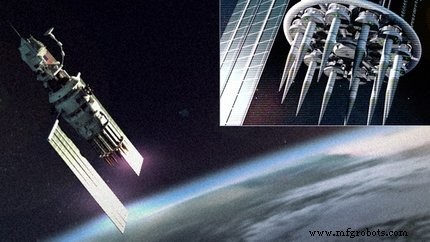
Tungsten Rod
Adding rhenium to tungsten alloy further improves high‑temperature performance and lowers the plastic‑brittle transition temperature. The resulting tungsten‑rhenium alloy offers a tensile strength of up to 3260 MPa at room temperature, superior abrasion resistance, and excellent weldability—qualities that make it suitable for nuclear reactor components aboard space stations. Tungsten coatings also protect nozzles from corrosion and erosion, preserving structural integrity over prolonged missions.
Conclusion
Tungsten’s unique combination of heat resistance, density, and mechanical robustness has made it a cornerstone of aerospace engineering. For deeper insights into tungsten and other refractory metals, explore Advanced Refractory Metals (ARM), a global leader in the supply of high‑quality refractory materials.
Headquartered in Lake Forest, California, Advanced Refractory Metals (ARM) supplies tungsten, molybdenum, tantalum, rhenium, titanium, zirconium, and more at competitive prices, supporting innovators worldwide.
Metal
- Top Applications of Tungsten: From High‑Strength Alloys to Advanced Electronics
- Tungsten: The World’s Most Refractory Metal and Its Applications
- Tungsten Alloy Counterweights: The Unsung Heroes of Industry
- Tungsten: The Backbone of Modern Aerospace Technology
- Tungsten: Properties, Applications, and Industry Overview
- Industrial Diamond: How Tungsten Powers Modern Technology
- Vespel® Polyimide: The Aerospace Material of Choice
- China's Sheet Metal Fabrication Industry: Rapid Growth, Cutting-Edge CNC Tech, and Rising Demand
- Robots Transforming Aerospace Production: Precision & Reliability
- Driving Success: How Innovation Transforms Metal Fabrication