



Vespel® Polyimide: The Aerospace Material of Choice
DuPont Vespel® Polyimide
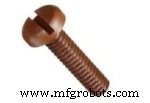
Vespel® is DuPont’s proprietary line of high‑performance polyimide materials, engineered for demanding aerospace, semiconductor, and transportation applications. From fasteners (screws, washers, nuts) to custom valve seals, thrust washers, pintle tips, and actuator guide bushings, Vespel® delivers unparalleled mechanical, thermal, and chemical resistance.
This article zeroes in on aerospace uses, highlighting the SP1 and SP21 grades that excel in valve seatings and seals.
Metal‑to‑metal valve seals often create leakage pathways because the rigid surfaces cannot conform to microscopic irregularities. When lubricants are absent, sliding metal parts can gall, producing debris that contaminates the system and can cause the valve to seize or fail.
Engineering Thermoplastics
High‑performance engineering thermoplastics such as nylon, PCTFE, and PEEK have a moderate modulus at room temperature, allowing them to conform to minor surface imperfections and maintain low friction against metal. This yields smoother operation and longer life.
However, at elevated temperatures these plastics soften, creep, and relax stresses more rapidly. They can also degrade into brittle fragments, and their high coefficients of thermal expansion often mismatch the metal counterparts, creating new leak paths. In cryogenic environments, the same materials become stiff and brittle, risking cracks under compressive loads and eventual valve failure.
Vespel® SP1 – Unfilled Polyimide
- Excellent electrical insulation
- High resistance to stress relaxation
- Superior thermal insulation and stability
- Continuous service temperature from cryogenic to 260 °C (500 °F)
- Creep‑resistant and lightweight compared to metals
- Excellent wear and friction performance
- Impact resistant with maintained modulus over time
- No external lubrication required
- Low and consistent thermal expansion and contraction rates
Vespel® SP21 – 15 % Graphite‑Filled Grade
SP21 retains all SP1 benefits and adds:
- Lower coefficient of friction, improving dimensional stability
- Compatibility with liquid oxygen systems
- High auto‑ignition temperature
DuPont Vespel® SP1 is a thermoset polyimide that preserves significant modulus—stiffness—up to 260 °C (500 °F) and tolerates short‑term exposures up to 900 °F. Its modulus remains stable even under high pressure and temperature, making it ideal for aerospace valve seats and seals, and it performs reliably in cryogenic conditions.
Applications of Vespel® SP21
Valves that operate at high altitudes, polar climates, or in space are exposed to extreme cold. Common seat materials like PCTFE become brittle below 150 K. SP21’s compressive strength remains robust at cryogenic temperatures, preserving ductility and preventing brittle fracture while maintaining a high‑pressure seal.
NASA has approved several Vespel® grades for high‑performance spacecraft valves, including the Ares I Upper Stage J‑2X engine.
When selecting a Vespel® grade, evaluate operating conditions—temperature, pressure, chemical exposure, and mechanical load—to choose the most suitable variant for your application.
Note: Vespel® should not be used in medical implants or where it contacts internal body fluids or tissues.
Prints, parts or problems?

Resin
- Tungsten: The Backbone of Modern Aerospace Innovation
- Why Carbon Fiber Is Essential for Aerospace Innovation
- High‑Performance Plastics: Essential Materials for Modern Semiconductor Fabrication
- Vespel® – The High‑Performance Polyimide for Extreme Environments
- Materials Used in Boiler Tubes: Choosing the Right Steel, Stainless, Copper and More
- Why High-Precision Machining Drives Industry Innovation
- Exploring Material Flexibility: How Elasticity Determines Performance
- Robots Transforming Aerospace Production: Precision & Reliability
- Why Material Removal Robots are Essential for Modern Manufacturing
- Introducing the Motoman GP Series: High-Speed, Efficient Material Handling Robots