



Materials Used in Boiler Tubes: Choosing the Right Steel, Stainless, Copper and More
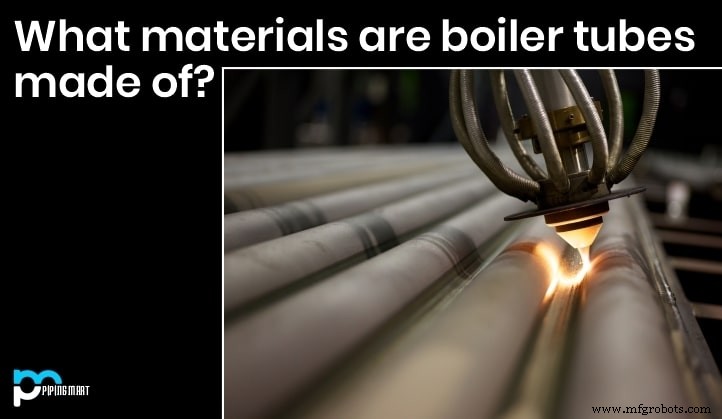
A boiler is a sealed vessel that heats fluid—most commonly water—by transferring heat from combustion gases to the liquid inside. The heated or vaporized fluid then exits through boiler tubes, which are essential for delivering steam or hot water to heating, sanitation, or power‑generation processes.
Boiler tubes come in two primary configurations: water‑tube and fire‑tube. Each design offers distinct advantages in pressure handling, heat transfer, and maintenance.
Water‑Tube Boilers
In a water‑tube boiler, water circulates within a series of slender tubes that are externally heated by hot combustion gases. High‑pressure applications rely on these tubes to withstand the steam pressure, while the furnace walls themselves may consist of water‑filled tubing in larger installations. This design provides rapid steam generation and excellent pressure resistance, making it ideal for power plants and large‑scale heating.
Fire‑Tube Boilers
A fire‑tube boiler channels hot gases directly through one or more tubes that are surrounded by water. Heat is transferred through the tube walls by conduction, raising the water temperature to produce steam. This configuration was widely adopted in locomotive boilers and small‑scale industrial units due to its simplicity and efficient heat transfer in moderate pressure ranges.
Common Materials for Boiler Tubes
Boiler tubes are typically fabricated from steel or steel alloys, and in the past from wrought iron. Modern designs avoid wetted sections of stainless steel because of corrosion and stress‑corrosion cracking. However, ferritic stainless steel is employed in overheated zones that are not in direct contact with boiling water, and electrically heated stainless‑steel shells are permitted under the European "Pressure Device Guideline" for sterilization and disinfection equipment.
Copper or brass is still used in live‑steam applications, particularly in fireboxes where formability and high thermal conductivity are paramount. Although copper prices have risen, it remains a cost‑effective choice for smaller tubes, while steel has become the more economical alternative for larger systems.
During the Victorian era, the predominant material was low‑grade wrought iron, riveted into place by skilled ironworkers. These tubes were known for their resilience and slow corrosion rates. The 20th‑century shift to welded steel construction offered faster, safer, and less labor‑intensive manufacturing, yet the legacy of wrought‑iron tubes continues to exhibit superior longevity compared to many modern welded steel variants.
Metal
- The World's Most Refractory Material: Beyond Tungsten
- Refractory Metal Materials: Current Applications and Key Alloy Innovations
- What Is a Thermoset? Understanding the Chemistry and Benefits of Cross‑Linked Polymers
- Why Aluminum Tubes and Pipes Matter: Strength, Lightness, and Corrosion Resistance
- How to Choose the Right Tubing Material for Your Piping System
- Understanding Material Engineering: The Science Behind Innovative Materials
- How to Select the Ideal Brake Pad Material: Ceramic, Semi-Metallic, or Hybrid
- Understanding Polyresin: Properties, Uses, and Advantages
- Understanding Material Handling: Key Concepts & Best Practices
- ASA in 3D Printing: A Durable, Weather‑Resistant Thermoplastic